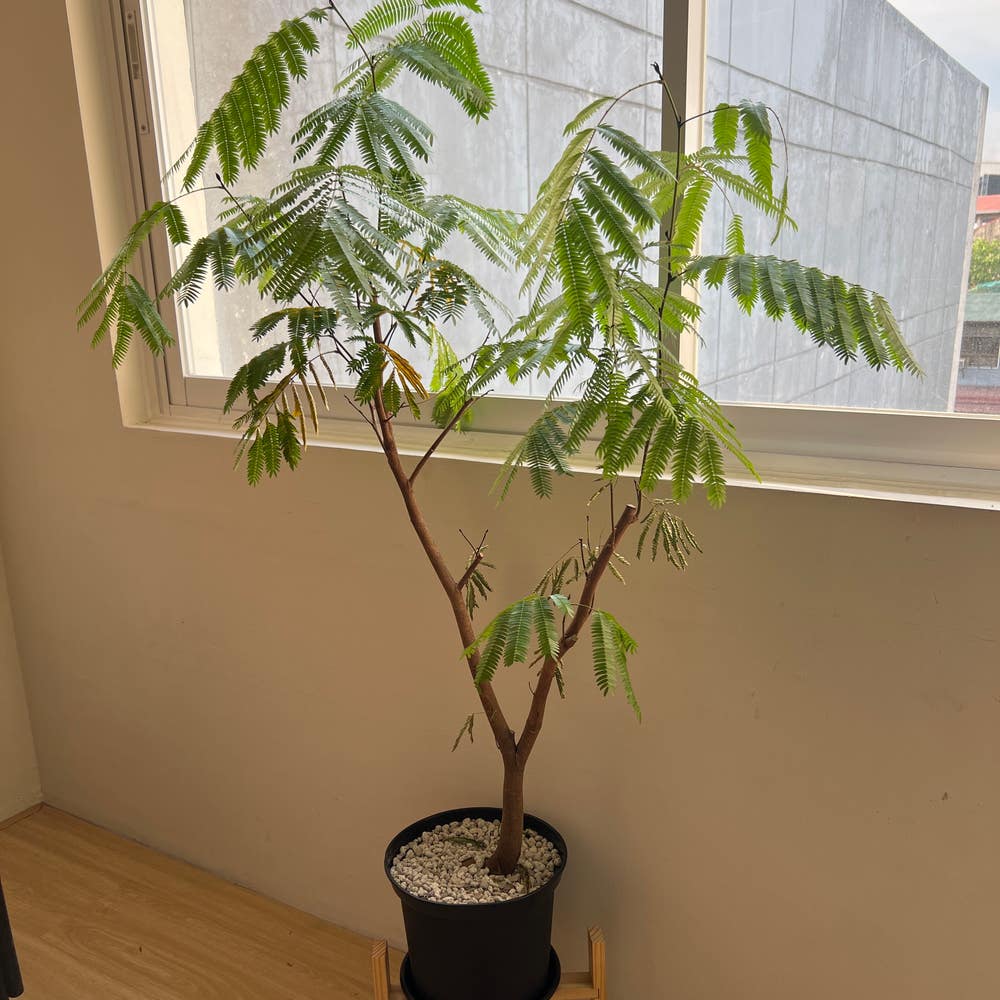
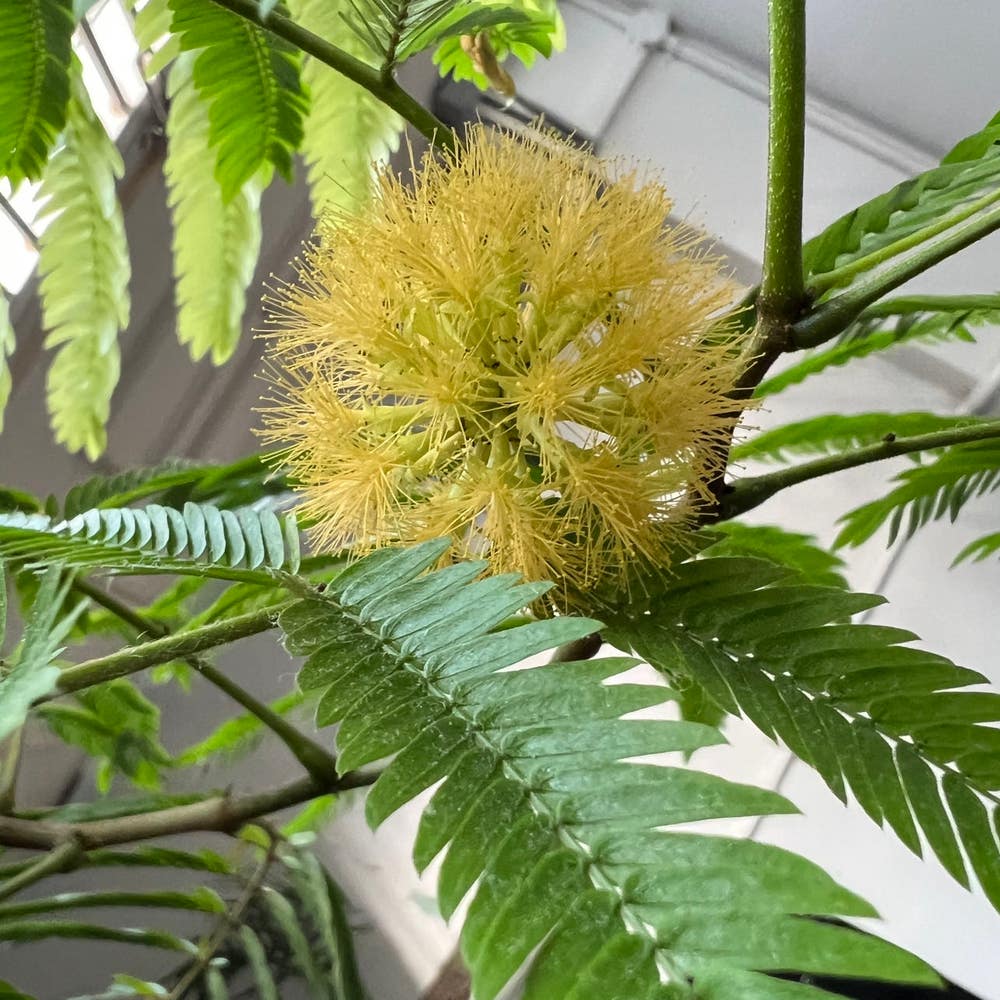
Best Humidity Levels for Siris Tree 💧
Albizia amara
By the Greg Editorial Team
Nov 23, 2024•6 min read
This article was created with the help of AI so we can cover more plants for you. May contain errors. See one? Report it here.
- 🌱 Ideal humidity for Siris trees is 40%-60% for optimal growth.
- 💧 Low humidity causes leaf curl and browning tips; monitor regularly.
- 🦠 High humidity risks mold and root rot; maintain balance for health.
Humidity Needs
Optimal humidity levels 🌬️
For a thriving Siris tree, the ideal relative humidity range is between 40% and 60%. This balance ensures that the moisture content in the air supports healthy growth and development.
Absolute humidity is crucial, as it refers to the actual amount of moisture present in the air. Different varieties of Siris trees may have varying humidity preferences, so it's essential to consider the specific needs of your plant.
Effects of low humidity 😟
Low humidity can lead to several distressing symptoms in your Siris tree. You might notice leaf curl, drooping, and browning tips, all of which signal that your plant is struggling.
When humidity levels drop, growth can become stunted, making the tree more susceptible to pests. Over time, this can result in a decline in the overall health and vigor of your Siris tree.
Effects of high humidity 🌧️
Conversely, high humidity can create its own set of problems. Symptoms such as mold growth, leaf spot diseases, and root rot may appear, indicating that the environment is too damp.
Excessive humidity can promote rapid foliage growth, but this often comes at the expense of root health. Long-term exposure to high humidity increases the risk of fungal infections, leading to overall plant stress and potential decline.
Understanding the delicate balance of humidity is vital for maintaining a healthy Siris tree. By monitoring and adjusting humidity levels, you can ensure your plant thrives in its environment.
Humidity Measurement
Measuring humidity levels 🌧️
To ensure your Siris tree thrives, measuring humidity levels is essential. The most effective tools for this task are hygrometers and moisture meters, which provide accurate readings of the moisture content in the air.
Ideal locations for placement of measuring devices 📍
Place your hygrometer in areas where your Siris tree is located, ideally near the plant but not directly touching the leaves. This positioning allows for the most accurate readings of the humidity levels that your tree experiences.
Frequency of monitoring humidity levels for optimal care ⏰
Regularly check humidity levels, ideally every few days, especially during seasonal changes. Consistent monitoring helps you respond quickly to fluctuations, ensuring your Siris tree remains healthy and vibrant.
By keeping a close eye on humidity, you can create the perfect environment for your Siris tree to flourish. Next, let’s explore effective strategies for boosting humidity when needed.
Strategies for Boosting Humidity
🌧️ Methods to increase humidity
Using humidifiers
Humidifiers are a fantastic way to maintain optimal humidity levels for your Siris tree. Look for ultrasonic or evaporative humidifiers, as they are particularly effective for indoor use.
For best results, set your humidifier to maintain a relative humidity of 40% to 60%. Regularly check the settings to ensure your plant thrives in a comfortable environment.
Pebble trays and water features
Creating pebble trays is a simple yet effective method to boost humidity. Fill a shallow tray with pebbles and add water until it just touches the pebbles, then place your plant pot on top.
Water features, like small fountains, can also enhance local humidity. They not only add aesthetic value but also create a microclimate that benefits your plants.
Grouping plants together
Clustering your plants can significantly increase humidity levels. When plants are grouped, they create a mini-ecosystem where moisture is shared among them.
To maximize humidity retention, arrange plants with similar humidity needs close together. This strategy not only helps maintain moisture but also creates a lush, vibrant display in your space.
By implementing these strategies, you can create an ideal environment for your Siris tree, ensuring it remains healthy and vibrant. Next, let’s explore how to measure humidity levels accurately to maintain that perfect balance.
Strategies for Reducing Humidity
🌧️ Identifying Signs of Excessive Humidity
Excessive humidity can wreak havoc on your Siris tree. Look out for symptoms like mold, mildew, and leaf discoloration, which signal that the moisture levels are too high.
Early detection is crucial. Addressing these issues promptly can prevent significant plant stress and ensure your tree remains healthy and vibrant.
💨 Methods to Decrease Humidity
🌬️ Improving Air Circulation
Enhancing airflow around your plant is a simple yet effective way to reduce humidity. Consider using fans to promote better air movement, which helps to evaporate excess moisture.
Strategic placement of your plants can also make a difference. Positioning them in a well-ventilated area allows for natural airflow, keeping humidity levels in check.
💧 Using Dehumidifiers
Dehumidifiers can be a game-changer for indoor environments. Look for models designed for smaller spaces, as they effectively reduce humidity without over-drying the air.
For optimal performance, set your dehumidifier to maintain humidity levels between 40% and 60%. Regular maintenance, such as emptying the water reservoir and cleaning filters, will keep your unit running smoothly.
🚰 Adjusting Watering Practices
Proper watering techniques are essential to prevent excess moisture around your Siris tree. Overwatering is a common mistake that can lead to high humidity levels and root issues.
Watch for signs of overwatering, such as yellowing leaves or soggy soil. Adjust your watering schedule accordingly, allowing the top inch of soil to dry out before the next watering session. This simple practice can significantly improve your plant's health.
By implementing these strategies, you can effectively manage humidity levels and create a thriving environment for your Siris tree. Next, let’s explore common humidity-related issues and how to tackle them head-on.
Common Humidity-Related Issues
🌧️ Identifying humidity-related problems
Humidity stress can manifest in several ways. Common symptoms include leaf drop, wilting, and discoloration, which signal that your Siris tree may not be thriving.
Recognizing these signs early is crucial for effective intervention. The sooner you address humidity issues, the better your chances of restoring your plant's health.
💧 Solutions for humidity stress symptoms
When you notice symptoms of humidity stress, immediate action is essential. Adjusting your watering practices and increasing humidity through methods like pebble trays can provide quick relief.
For long-term recovery, consider creating a stable environment. Regularly monitor humidity levels and make adjustments as needed to ensure your Siris tree remains healthy.
🛡️ Preventative measures
Regular monitoring is key to preventing humidity-related issues. Keep an eye on environmental changes that could affect humidity levels, such as seasonal shifts or changes in room temperature.
Maintaining a stable humidity range is vital for overall plant health. By staying proactive, you can help your Siris tree flourish and avoid the pitfalls of humidity stress.
As you continue to care for your plant, remember that a little attention goes a long way in keeping it vibrant and thriving.
⚠️ Safety First
This content is for general information and may contain errors, omissions, or outdated details. It is not medical, veterinary advice, or an endorsement of therapeutic claims.
Always consult a qualified healthcare professional before using any plant as food, medicine, or supplement.
Never eat any plant (or feed one to pets) without confirming its identity with at least two trusted sources.
If you suspect poisoning, call Poison Control (800) 222-1222, the Pet Poison Helpline (800) 213-6680, or your local emergency service immediately.
Spotted an error? Please report it here.
Keep your Siris tree thriving 🌿 by using Greg's tailored humidity alerts and tips to maintain the ideal moisture levels for optimal growth!