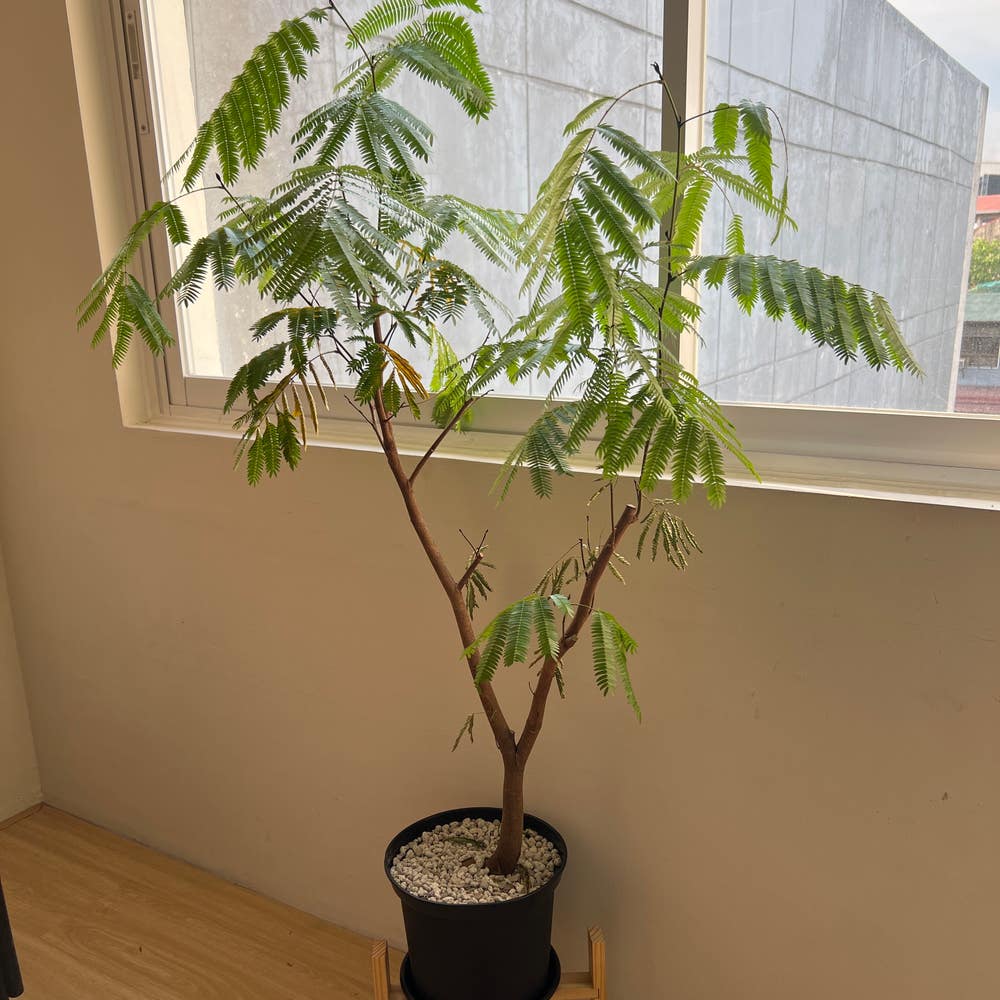
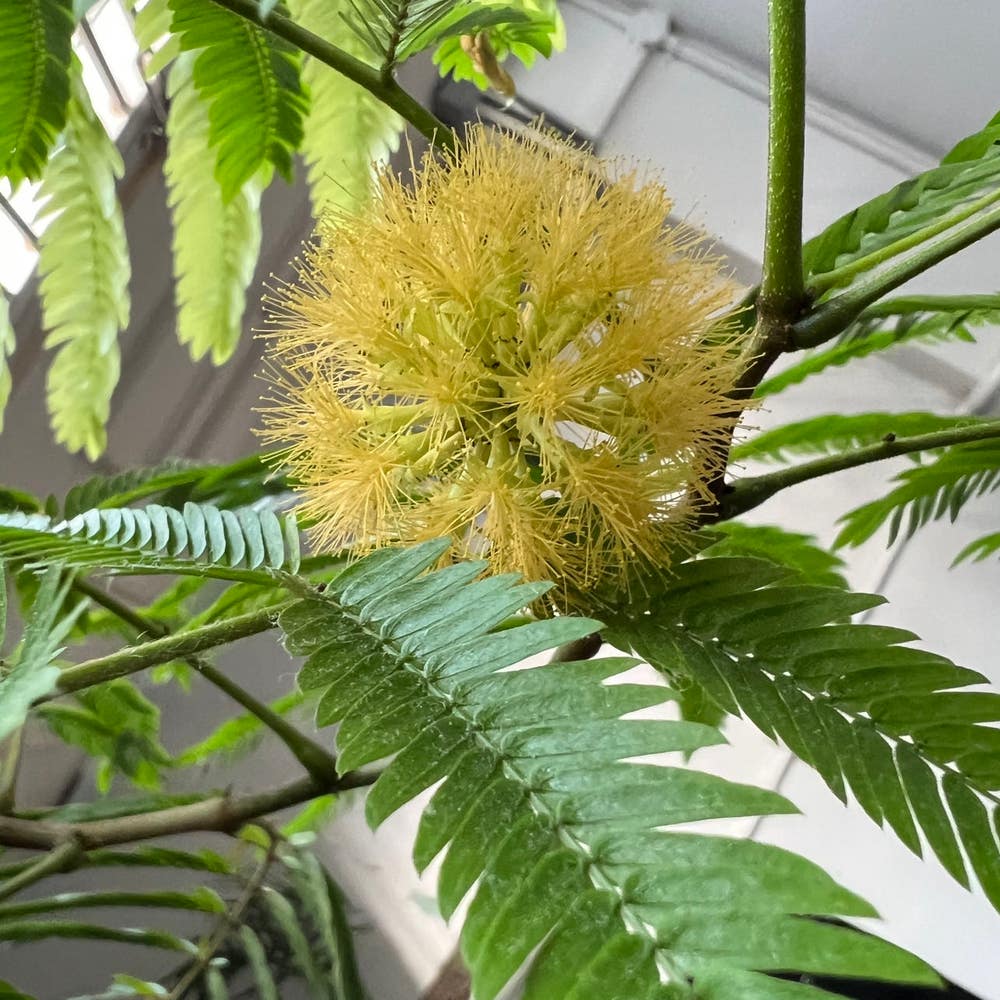
🌳 When and Where to Cut Back Your Siris Tree
Albizia amara
By the Greg Editorial Team
Nov 23, 2024•5 min read
This article was created with the help of AI so we can cover more plants for you. May contain errors. See one? Report it here.
- 🌳 Prune Siris trees in late winter to early spring for optimal growth.
- ✂️ Remove dead or overcrowded branches to enhance health and shape.
- 🔪 Use sharp tools and proper techniques to prevent disease and promote healing.
Pruning Techniques
🌳 Thinning
Thinning involves removing select branches to reduce the overall density of your Siris tree. This technique is essential for improving light access and air circulation, which are crucial for the tree's health.
To effectively thin your tree, focus on branches that are growing inward or crossing each other. This not only enhances the tree's structure but also promotes better growth and flowering.
✂️ Heading Back
Heading back is another important pruning technique where you cut branches back to a bud or a lateral branch. This method encourages bushier growth and helps control the height of the tree.
When practicing heading back, be careful not to cut too close to the bud. Leaving a small distance can prevent dieback and ensure the tree continues to thrive.
By mastering these pruning techniques, you can significantly enhance the health and appearance of your Siris tree. Next, let’s explore the best times to prune for optimal results.
When to Prune
🌱 Best Seasons for Pruning
Pruning your Siris tree at the right time is crucial for its health.
Spring Pruning
Late winter to early spring is the ideal window for spring pruning. This timing encourages vigorous growth and enhances flowering, setting your tree up for a vibrant season.
Fall Pruning
Fall pruning should occur after leaf drop but before frost. This practice reduces the risk of winter damage and helps prepare the tree for dormancy, ensuring it emerges strong in the spring.
🔍 Signs That Indicate When to Prune
Recognizing when to prune is just as important as knowing how.
Overcrowded Branches
If your tree has overcrowded branches, it’s time to act. Reduced light and air circulation can lead to health issues, so thinning out these branches will promote better growth.
Dead or Diseased Branches
Look for dead or diseased branches showing signs of decay or discoloration. Removing these not only improves the tree's appearance but also prevents the spread of disease.
Unruly Growth
Branches that grow out of the desired shape or size can be a sign that pruning is necessary. Keeping your tree well-shaped not only enhances its aesthetic but also supports its overall health.
By paying attention to these signs, you can ensure your Siris tree remains healthy and beautiful. Next, let’s explore where to cut back for optimal results.
Where to Cut Back
🌿 Identifying the Right Branches to Prune
When pruning your Siris tree, it's essential to target the right branches. Focus on those that are dead or damaged, as they can hinder the tree's overall health.
Additionally, look for branches that are crossing or rubbing against each other. These can create wounds that invite disease. Finally, prune any branches growing inward towards the center of the tree, as they can block light and airflow.
Assessing branch health is crucial. Keep an eye out for signs of disease or pest damage, such as discoloration or unusual growth patterns.
✂️ Techniques for Making Clean Cuts
To ensure your cuts promote healing, use sharp, clean pruning shears or saws. Dull tools can tear the bark and lead to infection.
Make your cuts at a 45-degree angle. This technique helps the tree heal faster and reduces the risk of water pooling on the cut surface.
Avoid leaving stubs when you prune. Instead, cut back to the nearest bud or branch to encourage healthy regrowth and maintain the tree's shape.
With these techniques, you'll set your Siris tree up for success. Next, let’s explore the best seasons for pruning to maximize your efforts.
Common Pruning Mistakes
Mistakes to Avoid 🌪️
Pruning can be a delicate balance, and common mistakes can lead to serious issues.
- Over-pruning: Removing too much foliage can stress the tree, making it vulnerable to pests and diseases.
- Incorrect timing: Pruning at the wrong season can hinder growth, potentially stunting the tree's development.
- Poor cutting technique: Leaving stubs or making jagged cuts can lead to disease, as these wounds are harder for the tree to heal.
How to Correct Poor Pruning Practices 🛠️
If you've made a mistake while pruning, don't panic; there are ways to remedy the situation.
- Assess the extent of damage: Determine if the tree can recover from the cuts made. Look for signs of new growth or overall health.
- Make corrective cuts: Remove any poorly pruned branches to encourage better growth patterns.
- Monitor tree health: Watch for signs of stress or disease post-pruning, and be ready to take further action if necessary.
By avoiding these common pitfalls and correcting mistakes promptly, you can ensure your Siris tree remains healthy and vibrant. Next, let’s explore the essential tools and equipment needed for effective pruning.
Tools and Equipment
Recommended Tools 🌳
To effectively prune your Siris tree, having the right tools is essential. Start with pruning shears for small branches and deadheading, ensuring you can make precise cuts without damaging the tree.
For thicker branches, loppers are your go-to, capable of handling branches up to 1.5 inches in diameter. When it comes to larger branches, a pruning saw is necessary to make clean cuts without excessive strain.
Don’t forget about safety gear! Wearing gloves and goggles protects you from potential injuries while you work.
Maintenance of Pruning Tools 🧰
Keeping your tools in top shape is crucial for effective pruning. Regularly clean your tools by wiping the blades with alcohol to prevent the spread of diseases between plants.
Sharpening blades is another key maintenance step. Sharp tools make cleaner cuts, which helps your tree heal faster.
Lastly, ensure you store your tools in a dry place to prevent rust and damage. Proper care extends the life of your equipment and enhances your pruning experience.
With the right tools and maintenance, you’ll be well-equipped to keep your Siris tree healthy and thriving. Now, let’s explore common pruning mistakes to avoid for the best results.
⚠️ Safety First
This content is for general information and may contain errors, omissions, or outdated details. It is not medical, veterinary advice, or an endorsement of therapeutic claims.
Always consult a qualified healthcare professional before using any plant as food, medicine, or supplement.
Never eat any plant (or feed one to pets) without confirming its identity with at least two trusted sources.
If you suspect poisoning, call Poison Control (800) 222-1222, the Pet Poison Helpline (800) 213-6680, or your local emergency service immediately.
Spotted an error? Please report it here.
Transform your Siris tree into a bushy beauty 🌳 by using Greg's tailored pruning reminders and expert tips to keep it healthy and thriving all year long!