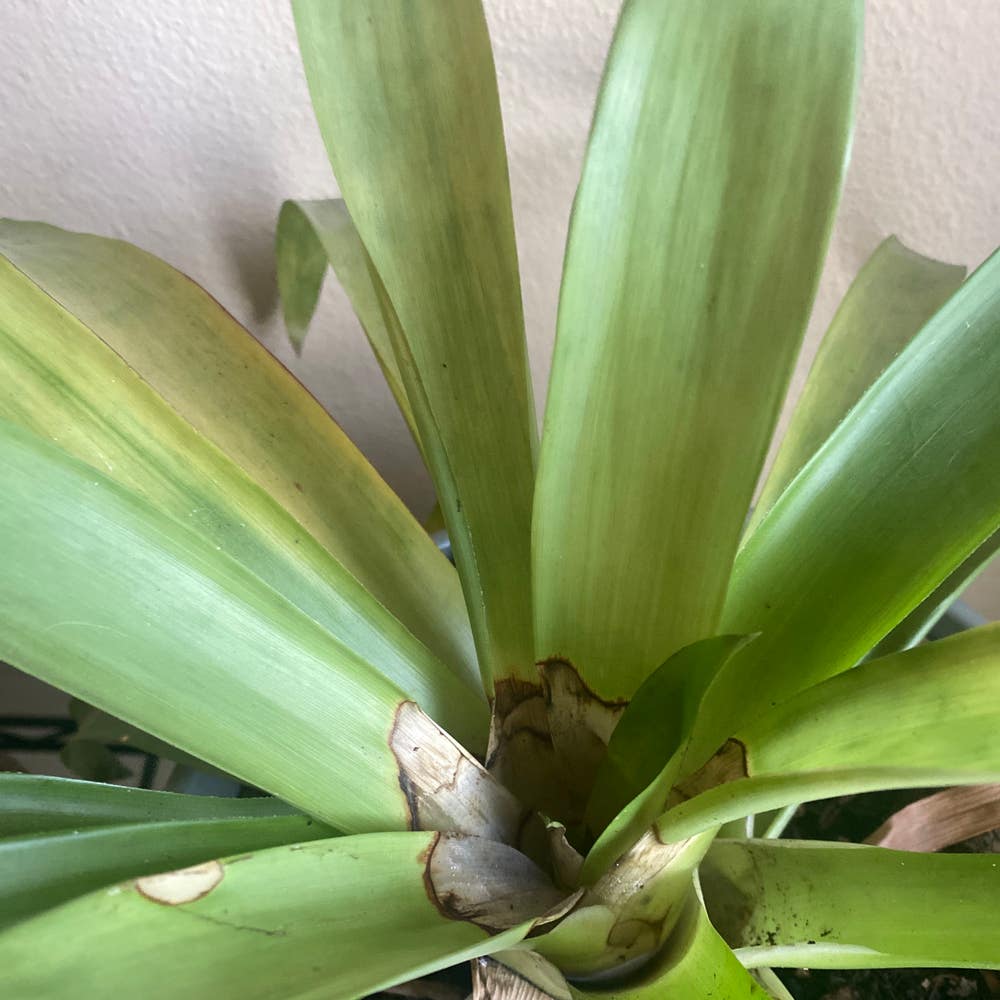
☀️ Best Spot to Plant Your Neoregelia
Neoregelia chlorosticta
By the Greg Editorial Team
Sep 29, 2024•5 min read
This article was created with the help of AI so we can cover more plants for you. May contain errors. See one? Report it here.
Unlock the secret to thriving Neoregelia 🌱 by mastering ideal light, soil, and placement for vibrant growth!
- 🌞 Neoregelia thrives in bright, indirect sunlight; avoid stretched leaves and faded colors.
- 🌿 Well-draining, slightly acidic soil is crucial for preventing root rot and promoting growth.
- 🏡 Indoor placement near east/north windows enhances humidity and light for optimal health.
Ideal Locations for Neoregelia
☀️ Sunlight Exposure
Neoregelia thrives best in bright, indirect sunlight. This optimal light exposure ensures vibrant colors and robust growth.
However, these plants can also tolerate partial shade, especially in hotter climates. If you notice stretched leaves or faded colors, it’s a sign your Neoregelia isn’t getting enough light.
For indoor plants, the best spots are near east or north-facing windows. Outdoors, look for areas under dappled shade to provide the right balance.
🌱 Soil Type
Well-draining soil is crucial for Neoregelia to prevent root rot. A mix of organic matter, like peat or compost, combined with sand promotes aeration.
Aim for a soil pH that is slightly acidic to neutral, ideally between 5.5 and 7.0. To ensure your soil is suitable, test for drainage and nutrient levels regularly.
🏢 Proximity to Structures
The presence of buildings can significantly impact light availability for your Neoregelia. Structures may cast shade, reducing the sunlight your plant receives.
Additionally, reflective surfaces can increase temperatures, so choose locations wisely. Ensure there’s enough space for your plant’s rosette to expand without obstruction, allowing it to flourish.
With the right sunlight, soil, and space, your Neoregelia will thrive beautifully. Next, let’s explore how to assess the best spot for your plant by evaluating microclimates.
Assessing the Best Spot
🌤️ Evaluating Microclimates
Microclimates are small areas that have different climate conditions compared to their surroundings. For Neoregelia, identifying warm spots, like south-facing walls or sheltered corners, can significantly enhance growth.
Look for cool areas too, such as shady spots under trees or near water features. These locations can provide a refreshing environment during hotter months.
🌬️ Wind Protection
Wind can be a sneaky adversary for Neoregelia, causing leaf damage and drying out the plant. To shield your plants, consider planting them near walls, fences, or using windbreaks.
Take time to assess wind patterns in your garden. Observing seasonal changes in wind direction will help you choose the best protective spots.
🚿 Drainage Considerations
Proper drainage is crucial for preventing water accumulation around Neoregelia roots. Ideal planting locations include elevated areas or sloped gardens, which naturally facilitate drainage.
To ensure your soil drains well, test it using simple methods. Checking soil moisture retention can save your plants from potential rot.
Understanding these factors will help you create the perfect environment for your Neoregelia. Next, let’s explore the differences between indoor and outdoor planting options.
Indoor vs. Outdoor Planting
Indoor Placement 🌿
Finding the right spot for your Neoregelia indoors is crucial. Aim for locations near windows that provide bright, filtered light while avoiding direct sunlight, which can scorch the leaves.
Humidity is another key factor. Placing your plant in naturally humid areas, like kitchens or bathrooms, can help it thrive. If your indoor environment is too dry, consider using grow lights to supplement light in darker spaces.
Outdoor Planting 🌳
When planting outdoors, look for spots under trees that offer filtered sunlight or shaded garden beds. These locations protect your Neoregelia from harsh sun while still providing the light it needs.
Seasonal adjustments are essential for outdoor plants. Be prepared to move pots throughout the year to optimize their exposure to sunlight. Additionally, grouping your Neoregelia with taller plants can create a beneficial microclimate, offering shade and enhancing humidity.
In summary, whether indoors or outdoors, the right placement is vital for your Neoregelia's health. Understanding these factors will set you up for success as you nurture your vibrant bromeliad.
Companion Planting
Suitable Plants 🌿
When it comes to companion planting for Neoregelia, consider other bromeliads, ferns, and shade-tolerant perennials. These plants not only complement the aesthetic but also enhance humidity levels, creating a thriving micro-ecosystem.
Benefits of Companion Planting 🌱
Companion planting can significantly boost the health of your Neoregelia. By fostering a diverse plant community, you encourage beneficial interactions that can lead to improved growth and resilience.
Avoiding Competition 🚫
While some plants are great companions, others can be detrimental. Aggressive growers may overshadow your Neoregelia, competing for light and nutrients.
Signs of Competition 👀
Keep an eye out for signs of competition, such as stunted growth or faded colors in your Neoregelia. If you notice these issues, it might be time to reassess your plant arrangements.
Incorporating the right companions can make all the difference in your Neoregelia's health and vibrancy. Next, let’s explore how seasonal changes affect your planting strategy.
Seasonal Considerations
🌞 Seasonal Light Changes
Understanding how light intensity and duration shift with the seasons is crucial for your Neoregelia. In winter, when days are shorter, consider moving your pots closer to windows to maximize exposure to available sunlight.
For outdoor plants, rotating them periodically can help ensure they receive optimal sun exposure throughout the year. This simple adjustment can make a significant difference in their growth and vibrancy.
☔ Weather Impacts
When selecting planting locations, be mindful of rain. Choose spots that avoid water pooling, as stagnant water can lead to root rot.
Temperature fluctuations also play a role in plant health. Aim for areas that provide warmth during cooler months, ensuring your Neoregelia thrives year-round.
Lastly, prepare for extreme weather by taking protective measures for outdoor Neoregelia during storms or frost. Covering them or moving pots to sheltered areas can safeguard their health and beauty.
With these seasonal considerations in mind, you can create an ideal environment for your Neoregelia, ensuring they flourish through every season. Next, let's explore the differences between indoor and outdoor planting to further enhance your gardening success.
⚠️ Safety First
This content is for general information and may contain errors, omissions, or outdated details. It is not medical, veterinary advice, or an endorsement of therapeutic claims.
Always consult a qualified healthcare professional before using any plant as food, medicine, or supplement.
Never eat any plant (or feed one to pets) without confirming its identity with at least two trusted sources.
If you suspect poisoning, call Poison Control (800) 222-1222, the Pet Poison Helpline (800) 213-6680, or your local emergency service immediately.
Spotted an error? Please report it here.
Create a thriving Neoregelia 🌿 by using Greg's tailored tips for optimal light and humidity, ensuring your plant flourishes all year round!