🌺 Ultimate Guide to Neoregelia Roots
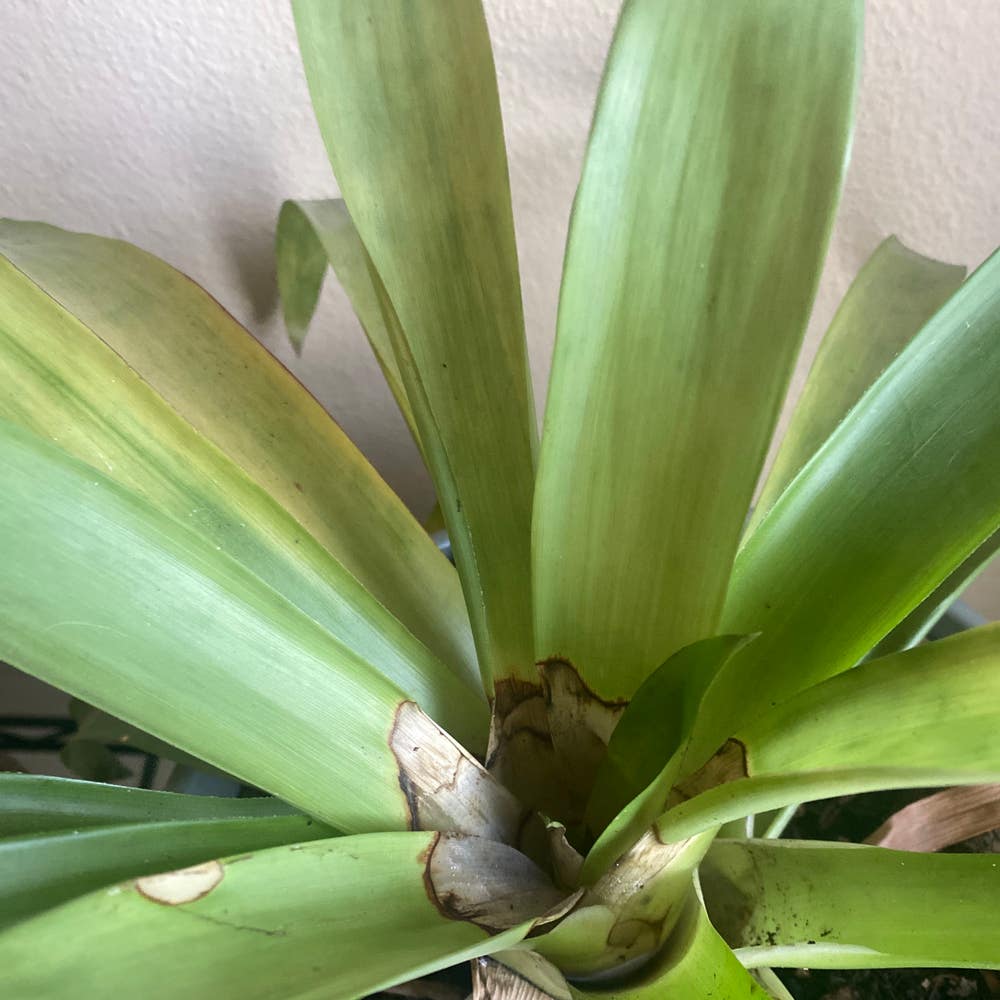
Neoregelia chlorosticta
By the Greg Editorial Team
Sep 29, 2024•6 min read
This article was created with the help of AI so we can cover more plants for you. May contain errors. See one? Report it here.
Master Neoregelia root care for vibrant plants and thriving growth! 🌱✨
- 🌱 Neoregelia roots are shallow (2-4 inches) but spread laterally for nutrient absorption.
- 💧 Water when the top inch is dry to prevent root rot and yellowing leaves.
- 🌿 Healthy roots are firm and light-colored; inspect regularly to maintain plant vitality.
Characteristics of Neoregelia Roots
🌱 Type of Root System
Neoregelia plants feature a rhizomatous root system, which is crucial for their stability and nutrient absorption. These roots allow the plant to thrive in humid, tropical environments by efficiently gathering moisture and nutrients from the surrounding soil.
📏 Root Depth and Spread
Neoregelia roots typically have a shallow structure, with an average depth of just 2-4 inches. This shallow depth is complemented by lateral spread, which enhances nutrient uptake and provides stability in the soil.
📈 Growth Patterns
The growth habits of Neoregelia roots evolve over time, reflecting seasonal changes. Understanding these seasonal growth patterns is essential for proper care, as they influence watering and fertilization needs.
Variability among species also plays a role in root growth patterns. Different Neoregelia species may exhibit unique root characteristics, impacting their overall health and care requirements.
By grasping these fundamental aspects of Neoregelia roots, you can better appreciate their role in plant health and vitality. This knowledge sets the stage for effective watering, fertilizing, and transplanting practices, ensuring your Neoregelia thrives.
Watering, Fertilizing, and Transplanting
💧 Watering Needs
Understanding the watering needs of Neoregelia is crucial for their health. Given their shallow root systems, it's essential to water them appropriately to avoid overwatering, which can lead to root rot.
To maintain optimal moisture levels, water your Neoregelia when the top inch of soil feels dry. Watch for signs of overwatering, such as yellowing leaves or a mushy root system, which indicate that adjustments are needed.
🌱 Fertilization Techniques
Fertilizing your Neoregelia can significantly enhance its growth and vitality. Use a balanced fertilizer with an NPK ratio of 10-10-10 or similar for optimal results.
During the growing season, aim to fertilize monthly. This routine supports robust growth and vibrant foliage, ensuring your plant thrives.
🌿 Transplanting Best Practices
Transplanting Neoregelia can be a rewarding experience when done correctly. The ideal time for transplanting is during the growing season, especially if you notice signs like root crowding or stunted growth.
Follow these steps for a successful transplant:
- Prepare a new pot with a well-draining soil mix.
- Gently remove the plant from its current pot, taking care not to damage the roots.
- Trim any damaged roots before replanting to promote healthy growth.
- Water thoroughly after transplanting to help settle the soil and reduce transplant shock.
By following these guidelines, you can ensure your Neoregelia remains healthy and vibrant. Next, let’s explore root health and how to maintain it effectively.
Root Health
🐛 Common Issues
Root rot is a significant concern for Neoregelia plants. It primarily stems from overwatering and poor drainage, which create a soggy environment that suffocates roots.
To prevent root rot, ensure your pot has adequate drainage holes and use a well-aerated soil mix. Regularly check the moisture level before watering to avoid excess.
Pest infestations can also threaten root health. Common pests include root mealybugs and nematodes, which can damage roots and hinder nutrient uptake.
Look for signs like wilting or stunted growth, which may indicate pest problems. Control methods include using insecticidal soap or neem oil to manage infestations effectively.
👀 Visual Cues for Root Health
Healthy roots are vital for a thriving Neoregelia. Look for firm, white or light tan roots, which indicate good health and nutrient absorption.
In contrast, unhealthy roots often appear dark, mushy, or emit a foul smell. These signs suggest distress and require immediate attention to prevent further damage.
🛡️ Tips for Prevention
Maintaining root health is essential for the overall vitality of your plant. Start with proper watering techniques; allow the top inch of soil to dry out before watering again.
Soil selection also plays a critical role. Use a mix designed for bromeliads or orchids to ensure good drainage and aeration.
Regular inspections can help catch issues early. Check your plant's roots every few months to identify any problems before they escalate, keeping your Neoregelia healthy and vibrant.
With these insights, you can foster a robust root system that supports your Neoregelia's growth and resilience. Next, we’ll explore how stress factors impact root health and the plant's overall vitality.
Stress Factors and Resilience
🌱 Role of Roots in Plant Health
A healthy root system is crucial for the overall vitality of Neoregelia plants. Strong roots not only anchor the plant but also play a significant role in nutrient uptake, directly influencing the appearance and health of the foliage.
When roots are thriving, the leaves exhibit vibrant colors and robust growth. Conversely, stressed roots can lead to wilting or discoloration, signaling that the plant needs immediate attention.
💧 Drought and Pest Resistance
Neoregelia has developed impressive adaptations for drought resistance. Its root system can store moisture, allowing the plant to survive during dry spells.
To maintain moisture levels, consider mulching around the base or using a well-draining soil mix. This helps retain water while preventing root rot.
In terms of pest resilience, a robust root system acts as a first line of defense. Healthy roots can better absorb nutrients, making the plant less susceptible to pest infestations.
Regularly inspecting your plants for signs of pests can help catch issues early. A proactive approach ensures your Neoregelia remains strong and vibrant.
Understanding these stress factors and the resilience of roots empowers you to care for your plants effectively. With the right knowledge, you can foster a thriving environment for your Neoregelia, setting the stage for successful propagation and division.
Propagation and Division
🌱 Importance of Root Health
Healthy roots are essential for successful propagation of Neoregelia. They directly impact growth rates and the establishment of new plants.
Strong roots ensure that the plant can absorb nutrients and water efficiently, setting the stage for robust growth. Without a solid root system, newly divided plants may struggle to thrive.
✂️ Step-by-Step Guide to Dividing Neoregelia
- Identify mature plants suitable for division: Look for plants that have multiple offsets or pups.
- Prepare tools: Use a clean, sharp knife or shears to prevent infection.
- Carefully separate the plant into sections: Ensure each section has roots attached to promote successful replanting.
- Replant sections in suitable pots: Choose pots with appropriate soil that drains well.
- Water and care for newly divided plants: Keep the soil moist but not soggy to help them recover.
🏁 Conclusion
Understanding and caring for Neoregelia's root system is crucial for a thriving plant. Healthy roots not only support propagation but also enhance the overall vitality of your Neoregelia.
⚠️ Safety First
This content is for general information and may contain errors, omissions, or outdated details. It is not medical, veterinary advice, or an endorsement of therapeutic claims.
Always consult a qualified healthcare professional before using any plant as food, medicine, or supplement.
Never eat any plant (or feed one to pets) without confirming its identity with at least two trusted sources.
If you suspect poisoning, call Poison Control (800) 222-1222, the Pet Poison Helpline (800) 213-6680, or your local emergency service immediately.
Spotted an error? Please report it here.
Unlock the secret to thriving Neoregelia roots 🌿 with Greg's custom watering alerts and fertilization tips that keep your plants healthy and vibrant!