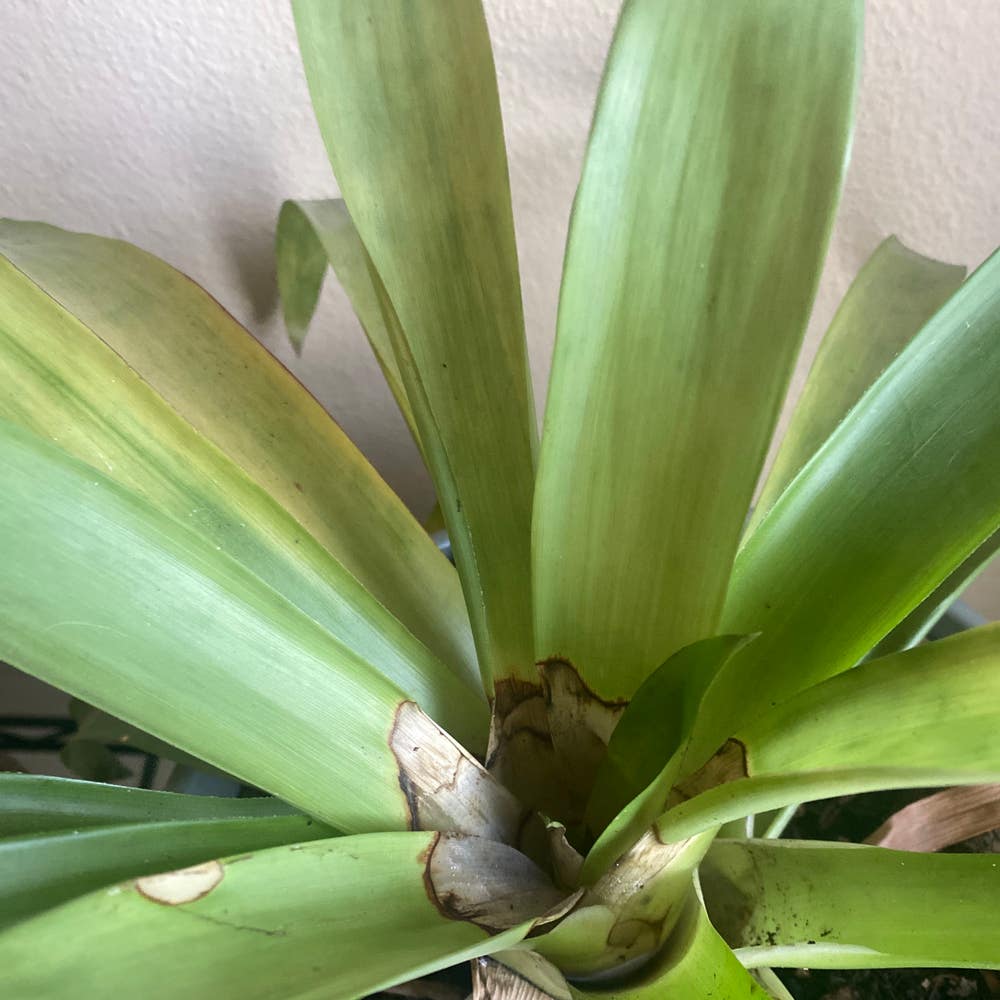
How Do I Propagate My Neoregelia chlorosticta?
Neoregelia chlorosticta
By the Greg Editorial Team
Mar 23, 2024•5 min read
This article was created with the help of AI so we can cover more plants for you. May contain errors. See one? Report it here.
Propagate Neoregelia chlorosticta like a pro 🌿 and watch your indoor garden flourish with these expert tips!
- Propagate pups with roots and similar look to the parent for best results.
- Divide in spring when signs of overcrowding or a dead center appear.
- Post-prop care: Bright light, 18-24°C, and water when top soil is dry.
Pup Propagation: Giving Birth to New Plants
🌱 Spotting Ready-to-Propagate Pups
Identifying offsets ready for independence is crucial. Look for pups with their own roots, roughly a quarter the size of the mother plant. They should be robust and bear a striking resemblance to their parent.
🕺 The Separation Tango
Separation requires finesse. Unpot the mother plant, exposing the root system and the attached pups. Use a clean, sharp instrument to detach the offsets, ensuring minimal damage to both parties. Give the cuts time to dry—a day should suffice—before proceeding to potting.
🏡 Settling In: Pup Potting Protocol
Select a well-draining soil mix and pots with drainage holes to welcome your pups. Plant them shallow to prevent tipping and position them in a spot with bright, indirect light. Water sparingly at first to encourage root growth without risking rot.
Division: Multiplying Your Bromeliad Bounty
🌱 When to Divide: Timing is Everything
Spring unleashes the growth spurt in your Neoregelia chlorosticta, making it the prime time for division. It's like the plant's sending you a text message: "Ready for some space, please." Look for signs like overcrowding, where the plant's center resembles a packed subway at rush hour. If you notice fewer flowers or a dead center, it's not just throwing a tantrum; it's signaling SOS for more room.
💃 The Division Dance
Alright, it's showtime. First, water your plant to ensure the roots are pliable and not bone-dry. Then, gently coax the plant out of its pot like you're asking it to dance. Shake off the excess soil to reveal the roots' secrets. Find the natural lines where the plant seems to whisper, "Cut here." If it's staying mum, take a sterilized knife and perform a clean cut through the root ball. Each division should have a good set of roots and some leaves for company. Remember, this isn't surgery on the kitchen table; it's more like helping your plant offspring move out and thrive on their own.
Seed Propagation: A Labor of Love
🌱 Harvesting the Tiny Treasures
Harvesting seeds from Neoregelia chlorosticta is akin to a treasure hunt. After the bromeliad's flowering phase, the seeds are ready to collect. Patience is crucial; these seeds are minute and can be easy to miss. Ensure the seeds are free of pulp and plant debris for optimal germination.
🌱 From Seed to Seedling
Sowing Neoregelia chlorosticta seeds is a delicate affair. Use a well-draining seed-starting mix, and sprinkle the seeds on the surface. They're too fine to bury. Moisture is key, so keep the soil damp but not waterlogged. A plastic cover can help maintain humidity, but don't forget to let the seeds breathe occasionally. Germination is a waiting game, so don't rush it. Once the seedlings appear, they'll need gentle care and protection from direct sunlight. With time, these tiny specks will grow into the vibrant, spiky wonders that are Neoregelia chlorosticta.
Post-Propagation Care: The First Few Weeks
🌱 The Right Environment for Growth
After the delicate dance of propagation, your Neoregelia chlorosticta pups need a nurturing environment to spread their roots. Bright, indirect light is their best friend, shielding them from the harshness of direct sunbeams. Keep the temperature steady; think 18-24°C (64-75°F), to avoid giving your plants a thermal shock. And humidity? Crank it up above 60% to mimic their tropical origins. If your indoor air is drier than a stand-up comedian's wit, consider using a humidifier or misting them regularly.
💧 Watering Wisely
Watering your new plants is less about following a strict schedule and more about observing and responding to their needs. Aim for soil that's moist but never soggy—root rot is the silent killer of overzealous watering. Let the top inch of soil dry out before giving them another drink. It's a delicate balance, akin to making the perfect latte foam. If you're unsure, remember: it's better to underwater than to flood them out.
Troubleshooting Propagation Pitfalls
🌱 Common Propagation Problems and Solutions
Slow root development and leaf discoloration can dampen the spirits of even the most enthusiastic plant propagators. Patience is key when roots seem to be taking an eternity to appear. Ensure your Neoregelia chlorosticta pups are basking in a warm, bright spot and resist the urge to tug at them to check for progress.
For leaves that look more yellow than a school bus, consider the possibility of environmental stress or improper care. Adjust your watering schedule and ensure the soil is draining like a champ. If the discoloration persists, it might be time to play detective and rule out diseases or pests.
🐜 Keeping Pests at Bay
Pests are the uninvited guests of the plant world, and they can turn a propagation party into a wake. Keep an eye out for freeloaders like aphids and mealybugs. When you spot these critters, it's time for them to meet their match with a gentle, yet firm, insecticidal soap eviction notice.
Fungal infections are the party poopers that thrive in moisture-rich environments. To combat these, ensure your propagation station has good airflow and isn't mimicking a rainforest. If you do spot signs of fungal gatecrashers, such as gray mold or powdery mildew, remove the affected areas with the precision of a ninja and consider a fungicide as your weapon of choice.
Remember, in the world of propagation, being proactive beats being reactive. Keep your tools sterile, your eyes peeled, and your care on point to keep your Neoregelia chlorosticta thriving.
⚠️ Safety First
This content is for general information and may contain errors, omissions, or outdated details. It is not medical, veterinary advice, or an endorsement of therapeutic claims.
Always consult a qualified healthcare professional before using any plant as food, medicine, or supplement.
Never eat any plant (or feed one to pets) without confirming its identity with at least two trusted sources.
If you suspect poisoning, call Poison Control (800) 222-1222, the Pet Poison Helpline (800) 213-6680, or your local emergency service immediately.
Spotted an error? Please report it here.
Successfully propagate your Neoregelia chlorosticta and nurture every pup to perfection with Greg's 🌱 custom care plans and timely reminders.