5 Essential Steps to Grow Healthy Neoregelia 💧
Neoregelia chlorosticta
By the Greg Editorial Team
Sep 29, 2024•5 min read
This article was created with the help of AI so we can cover more plants for you. May contain errors. See one? Report it here.
Cultivate vibrant Neoregelia plants 🌱 with essential tips on light, soil, and care for thriving growth!
- 🌞 Bright, indirect sunlight is crucial for vibrant Neoregelia colors and avoiding leaf burn.
- 💧 Water every 1-2 weeks and monitor for yellowing leaves to prevent overwatering.
- 🌱 Use a well-draining soil mix and maintain pH between 5.5 and 6.5 for optimal growth.
Choosing a Location
Ideal Light Conditions 🌞
Neoregelia thrives in bright, indirect sunlight. Too much direct sunlight can lead to leaf burn and faded colors, so finding that sweet spot is crucial for vibrant growth.
Indoor vs. Outdoor Growing Considerations 🏡
Growing Neoregelia indoors offers a controlled environment, making it easier to manage humidity and light levels. Conversely, outdoor growing is perfect for tropical climates, but be mindful of providing some shade during the hottest parts of the day.
Temperature and Humidity Requirements 🌡️
For optimal growth, maintain temperatures between 20°C to 30°C (68°F to 86°F). Neoregelia prefers humidity levels between 50% and 70%, so consider using a humidifier or placing a tray of water nearby if you're growing indoors.
Understanding these environmental needs sets the foundation for a thriving Neoregelia. Next, let’s dive into soil preparation to ensure your plant has the best start possible.
Soil Preparation
Best Soil Mix 🌱
To grow healthy Neoregelia, start with the right soil mix. A combination of peat moss, orchid bark, and perlite creates a lightweight, well-draining environment that these plants thrive in.
Importance of Drainage 🚰
Good drainage is crucial for preventing root rot, a common issue in bromeliads. To enhance drainage, consider using pots with drainage holes or adding gravel at the bottom of your containers.
pH Level Considerations ⚗️
Maintaining the right pH level is essential for nutrient absorption. Aim for a pH range of 5.5 to 6.5; testing your soil and adjusting it with amendments can make a significant difference in your plant's health.
With the right soil preparation, your Neoregelia will be set for success. Next, let’s dive into effective planting techniques to ensure your plants flourish.
Planting Techniques
Step-by-Step Planting Instructions 🌱
Planting Neoregelia is straightforward and rewarding. Follow these simple steps for success:
- Prepare the planting site or container with the appropriate soil mix.
- Create a hole deep enough to accommodate the root ball.
- Place the plant in the hole, ensuring the crown is above soil level.
- Fill in around the roots with soil, gently firming it down.
- Water lightly to settle the soil.
Container vs. Ground Planting 🏡
Choosing between container and ground planting can significantly impact your Neoregelia's growth.
- Container planting offers mobility and allows you to control soil conditions more easily.
- Ground planting requires consideration of drainage and space but can provide a more natural environment.
Spacing and Arrangement Tips 📏
Proper spacing is crucial for healthy growth and aesthetics.
- Aim for a spacing of 12-18 inches apart to ensure optimal air circulation.
- Grouping different varieties can enhance visual impact and simplify care routines.
With these planting techniques, you’re well on your way to cultivating vibrant Neoregelia. Next, let’s explore how to effectively water and fertilize your plants for continued growth.
Watering and Fertilizing
💧 Watering Frequency and Techniques
Neoregelia thrives with a watering schedule of every 1-2 weeks, tailored to the humidity levels in your environment. To keep your plant happy, fill the central cup with water while also moistening the soil around it.
🌱 Best Fertilizers
For optimal growth, use a balanced liquid fertilizer or slow-release granules. Fertilize every 4-6 weeks during the growing season to provide essential nutrients.
⚠️ Signs of Overwatering or Underwatering
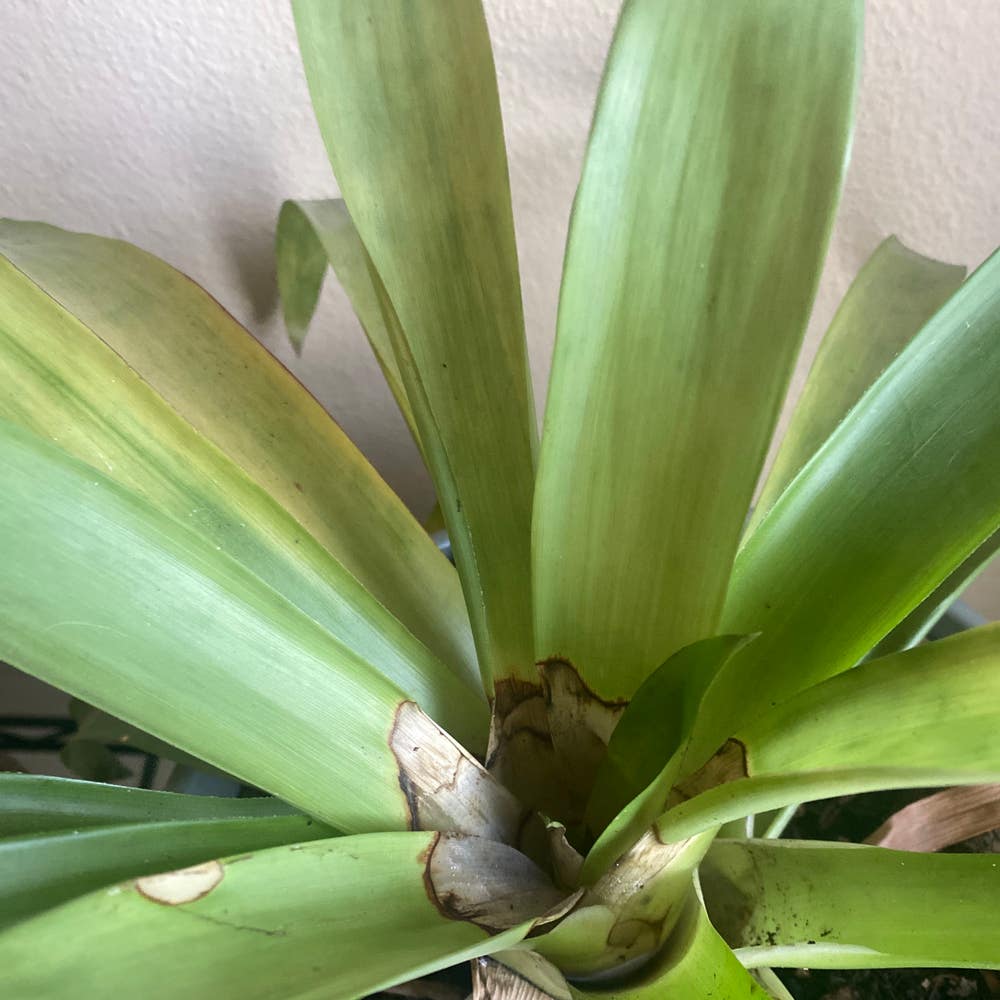
Watch for yellowing leaves and mushy roots—these are telltale signs of overwatering. Conversely, if you notice wilting or browning leaf tips, your plant may be underwatered and in need of a drink.
Maintaining the right balance in watering and fertilizing is crucial for your Neoregelia's health. With these tips, you'll be well on your way to nurturing a vibrant and thriving plant. Next, let’s explore ongoing care and maintenance to keep your Neoregelia flourishing year-round.
Ongoing Care and Maintenance
✂️ Pruning Techniques
Pruning is essential for maintaining the health of your Neoregelia. Aim to prune after flowering or when you notice damaged leaves.
Using clean, sharp scissors or pruning shears will help prevent any potential infections. This simple tool choice can make a significant difference in your plant's recovery.
🌦️ Seasonal Care Adjustments
As the seasons change, so should your care routine. Adjust your watering and fertilizing schedule to match the plant's needs during different times of the year.
In winter, protect your Neoregelia from cold temperatures. A little extra care can go a long way in ensuring your plant thrives.
🐛 Pest and Disease Management
Be on the lookout for common pests like aphids, mealybugs, and scale insects. Identifying these early can save your plant from serious damage.
For prevention and treatment, consider using insecticidal soap or neem oil. These options are effective and can help maintain a healthy environment for your Neoregelia.
Incorporating these ongoing care strategies will keep your plant vibrant and flourishing. Next, let’s explore common challenges and solutions to ensure your Neoregelia continues to thrive.
Common Challenges and Solutions
🐞 Identifying and Treating Common Pests
Pests can be a real headache for Neoregelia enthusiasts. Look out for signs of infestation, such as sticky residue on leaves or visible insects crawling around.
For treatment, consider using natural predators like ladybugs or opt for chemical treatments if the situation demands. Always monitor your plants closely to catch issues early.
🌪️ Addressing Environmental Stressors
Environmental stress can manifest in various ways, including leaf discoloration or stunted growth. If you notice these symptoms, it’s time to reassess your plant's conditions.
Adjusting light levels, humidity, and temperature can make a significant difference. A little tweak here and there can help your Neoregelia bounce back.
📉 Troubleshooting Growth Issues
Sometimes, your plant may struggle with growth issues like a lack of color or slow development. These problems often stem from improper care routines.
Reassess your watering, light, and fertilization practices. Checking for pests or diseases can also uncover hidden problems that need addressing.
By staying vigilant and proactive, you can ensure your Neoregelia thrives despite these common challenges. Now, let’s dive into ongoing care and maintenance to keep your plants in top shape!
⚠️ Safety First
This content is for general information and may contain errors, omissions, or outdated details. It is not medical, veterinary advice, or an endorsement of therapeutic claims.
Always consult a qualified healthcare professional before using any plant as food, medicine, or supplement.
Never eat any plant (or feed one to pets) without confirming its identity with at least two trusted sources.
If you suspect poisoning, call Poison Control (800) 222-1222, the Pet Poison Helpline (800) 213-6680, or your local emergency service immediately.
Spotted an error? Please report it here.
Grow a vibrant Neoregelia 🌿 with Greg's tailored care reminders and expert tips to keep your plant thriving all year round!