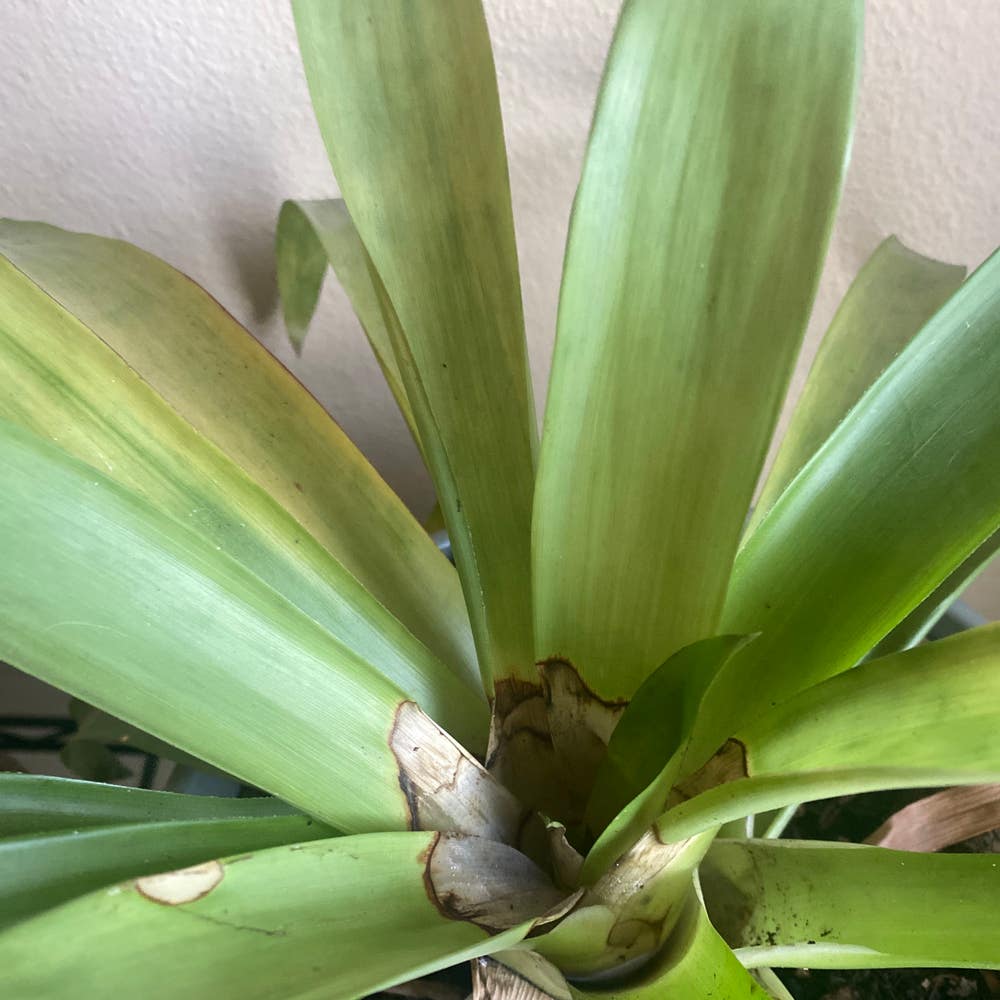
🌸 Ultimate Guide to Fixing Flower Problems in Neoregelia
Neoregelia chlorosticta
By the Greg Editorial Team
Sep 29, 2024•3 min read
This article was created with the help of AI so we can cover more plants for you. May contain errors. See one? Report it here.
Revive your Neoregelia's blooms 🌺 by tackling common flower problems with these expert solutions!
- 🌞 Neoregelia needs 6-8 hours of indirect sunlight daily for optimal blooming.
- 🌱 Nutritional deficiencies and imbalances hinder flower development; regular soil testing helps.
- 💧 Overwatering causes premature flower drop; adjust watering based on soil moisture.
Common Flower Problems
🌸 Failure to Bloom
Potential Causes
Insufficient light can significantly hinder blooming in Neoregelia. Without adequate exposure, your plant may struggle to produce those vibrant flowers you’re hoping for.
Nutritional deficiencies also play a crucial role. A lack of essential nutrients can prevent flower development, leaving your plant looking less than its best.
Environmental stress is another factor to consider. Changes in humidity or temperature can disrupt the bloom cycle, causing frustration for any plant enthusiast.
Solutions
To encourage blooming, ensure your Neoregelia receives 6-8 hours of indirect sunlight daily. This light is vital for photosynthesis and overall plant health.
Fertilization is equally important. Use a balanced bromeliad fertilizer every 4-6 weeks during the growing season to provide the nutrients your plant craves.
🌼 Premature Flower Drop
Causes
Overwatering is a common culprit behind premature flower drop. Excess moisture can lead to root rot, causing buds to fall before they bloom.
Temperature fluctuations can also stress your plant. Sudden changes in temperature may lead to flowers dropping unexpectedly.
Solutions
Adopt proper watering techniques by only watering when the top inch of soil is dry. This practice helps prevent overwatering and promotes healthy root growth.
Maintaining a stable environment is essential. Keep temperatures consistent between 65°F and 80°F (18°C to 27°C) to support your plant’s well-being.
🌺 Abnormal Flower Development
Causes
A nutrient imbalance can lead to abnormal flower development. Both excess and deficiency of specific nutrients can result in malformed flowers.
Pests are another significant concern. Infestations can disrupt normal growth patterns, affecting the quality of your blooms.
Solutions
To correct nutrient levels, conduct a soil test. This will help you amend the soil with the appropriate fertilizers to restore balance.
For pest management, regularly inspect your plants. Use insecticidal soap or neem oil as needed to keep infestations at bay.
🌞 Environmental Factors
Light Requirements
Light plays a vital role in photosynthesis and energy production for flowering. Neoregelia thrives in bright, filtered light to avoid leaf burn.
Nutritional Needs
Key nutrients like nitrogen, phosphorus, and potassium are crucial for optimal bloom development. Understanding the right ratios can make a significant difference.
When choosing fertilizers, consider the types available. Liquid and granular options each have their application methods, so select what works best for your routine.
🛠️ Troubleshooting Flower Problems
Identifying Symptoms
Recognizing the signs of failure to bloom, premature drop, and abnormal development is the first step in troubleshooting. Awareness is key to effective plant care.
Step-by-Step Troubleshooting Guide
- Assess light conditions: Ensure adequate indirect light.
- Check watering practices: Adjust frequency based on soil moisture.
- Evaluate nutrient levels: Test soil and amend as necessary.
- Inspect for pests: Look for signs of infestation and treat accordingly.
By following these steps, you can effectively address common flower problems in Neoregelia, ensuring your plant thrives and blooms beautifully.
⚠️ Safety First
This content is for general information and may contain errors, omissions, or outdated details. It is not medical, veterinary advice, or an endorsement of therapeutic claims.
Always consult a qualified healthcare professional before using any plant as food, medicine, or supplement.
Never eat any plant (or feed one to pets) without confirming its identity with at least two trusted sources.
If you suspect poisoning, call Poison Control (800) 222-1222, the Pet Poison Helpline (800) 213-6680, or your local emergency service immediately.
Spotted an error? Please report it here.
Transform your Neoregelia into a blooming masterpiece 🌺 with Greg's tailored care reminders and nutrient tracking to tackle flower problems effortlessly!