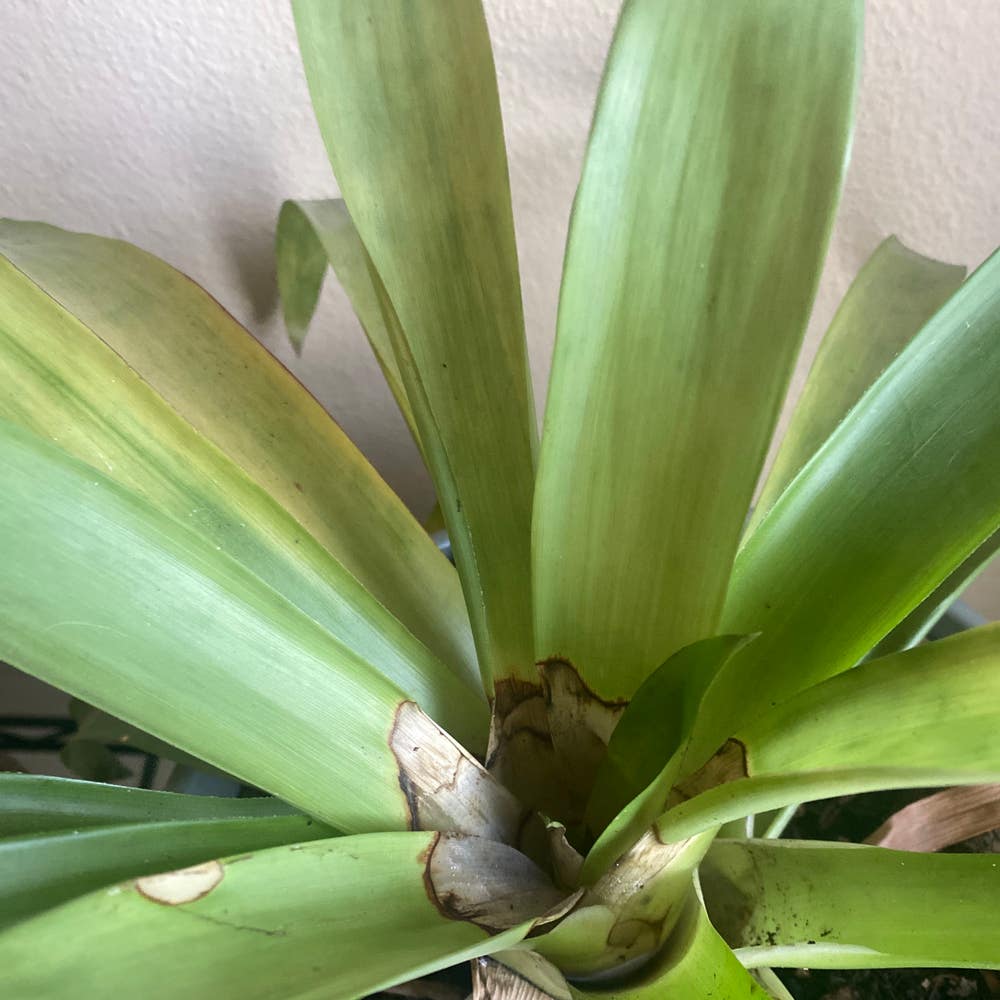
How and When Should I Cut Back My Neoregelia chlorosticta?
Neoregelia chlorosticta
By the Greg Editorial Team
Mar 23, 2024•3 min read
This article was created with the help of AI so we can cover more plants for you. May contain errors. See one? Report it here.
Ensure your Neoregelia's splendor and health with timely, expert pruning tips! 🌿✂️
- Prune in spring/summer, avoid winter for healthy Neoregelia chlorosticta growth.
- After blooming, it's trimming time to encourage new growth.
- Sanitize tools before pruning; monitor plant's recovery closely.
Snip in Time: When to Wield the Shears
🌱 Seasonal Smarts: Best Times to Prune
Spring and summer are your Neoregelia chlorosticta's best friends when it comes to pruning. These seasons are like a green light for growth, signaling your plant to recover and flourish post-trim. Avoid winter cuts; it's a dormant period, and pruning then is like a workout without the energy boost.
🌸 Flower Power: Pruning After Blooming
Once the Neoregelia chlorosticta's flowers have had their moment in the spotlight, it's time for your shears to shine. Post-bloom pruning isn't just a cleanup act; it's a strategic move to redirect energy towards lush, new growth. Remember, it's not just about aesthetics but setting the stage for the next performance.
The Art of Pruning Neoregelia chlorosticta
🌱 Spotting the Snip Spots: Identifying What to Cut
Pruning isn't just a chop and hope affair; it's about strategic snipping. Look for leaves that are yellowing, brown, or just plain dead—they're not doing your Neoregelia any favors. Pups are the young plants that sprout around the base; when they're a third of the mother's size, it's time for them to fly the nest.
🌿 Making the Cut: Techniques for Healthy Pruning
Sanitize your tools before you start—think surgeon-clean to avoid any nasty infections. When removing leaves, cut close to the base without nicking the healthy ones. For pups, a clean slice with a sharp knife will do. Remember, it's like giving your plant a haircut; you're aiming for a tidy up, not a full-on buzzcut.
Tools of the Trade: Pruning Like a Pro
🛠️ Choosing Your Arsenal: Best Pruning Tools
Sharpness is your best friend when it comes to pruning Neoregelia chlorosticta. Reach for precision pruners or micro snips, the plant world's equivalent of surgical tools, to ensure clean cuts. For thicker growth, lopping shears provide the necessary leverage. Always opt for quality tools that maintain their edge over time.
🧼 Keeping it Clean: Tool Sterilization
Sterilization isn't optional; it's a cardinal rule in the pruning playbook. Before you make the first cut, give your tools a thorough rubdown with rubbing alcohol. This is like hand sanitizer for your pruners, warding off unwelcome pathogens. Repeat after each cut and between plants. Remember, a clean tool is a disease-free tool.
After the Chop: Ensuring a Speedy Recovery
🌱 Immediate Aftercare: First Aid for Your Plant
Post-pruning, Neoregelia chlorosticta requires immediate and gentle care. Avoid watering right after you've made your cuts. This pause allows the plant to form calluses over the snipped areas, reducing the risk of infection.
Instead, focus on creating a stable environment. Keep your plant in a spot with bright, indirect sunlight to encourage recovery without the stress of direct sun. Maintain a consistent temperature to prevent further shock to the system.
👀 Watchful Eye: Monitoring Post-Pruning Progress
In the days following your pruning session, vigilance is key. Look for signs of new growth, which signal that your plant is healing and continuing to thrive. However, be on the lookout for any distress signals, such as discoloration or wilting.
If you notice any issues, adjust your care routine immediately. This might involve tweaking the light exposure or refining your watering schedule. Remember, consistent care during this recovery phase is crucial for the long-term health of your Neoregelia chlorosticta.
⚠️ Safety First
This content is for general information and may contain errors, omissions, or outdated details. It is not medical, veterinary advice, or an endorsement of therapeutic claims.
Always consult a qualified healthcare professional before using any plant as food, medicine, or supplement.
Never eat any plant (or feed one to pets) without confirming its identity with at least two trusted sources.
If you suspect poisoning, call Poison Control (800) 222-1222, the Pet Poison Helpline (800) 213-6680, or your local emergency service immediately.
Spotted an error? Please report it here.
Prune your Neoregelia chlorosticta to perfection with Greg's customized pruning reminders ✂️, ensuring vibrant growth and a flourishing plant family.