What Does It Mean When Neoregelia chlorosticta Blooms?
Neoregelia chlorosticta
By the Greg Editorial Team
Mar 23, 2024•4 min read
This article was created with the help of AI so we can cover more plants for you. May contain errors. See one? Report it here.
Unlock the secrets to Neoregelia chlorosticta's blooming and ensure a spectacle of color in your home 🌈🌿.
- Color shift in leaves signals bloom readiness.
- Blooming indicates plant maturity and health.
- 🌡️🌞 Stable warm temperature and bright light encourage vibrant blooms.
When Blooms Become the Star of the Show
🌸 Spotting the Signs of an Upcoming Bloom
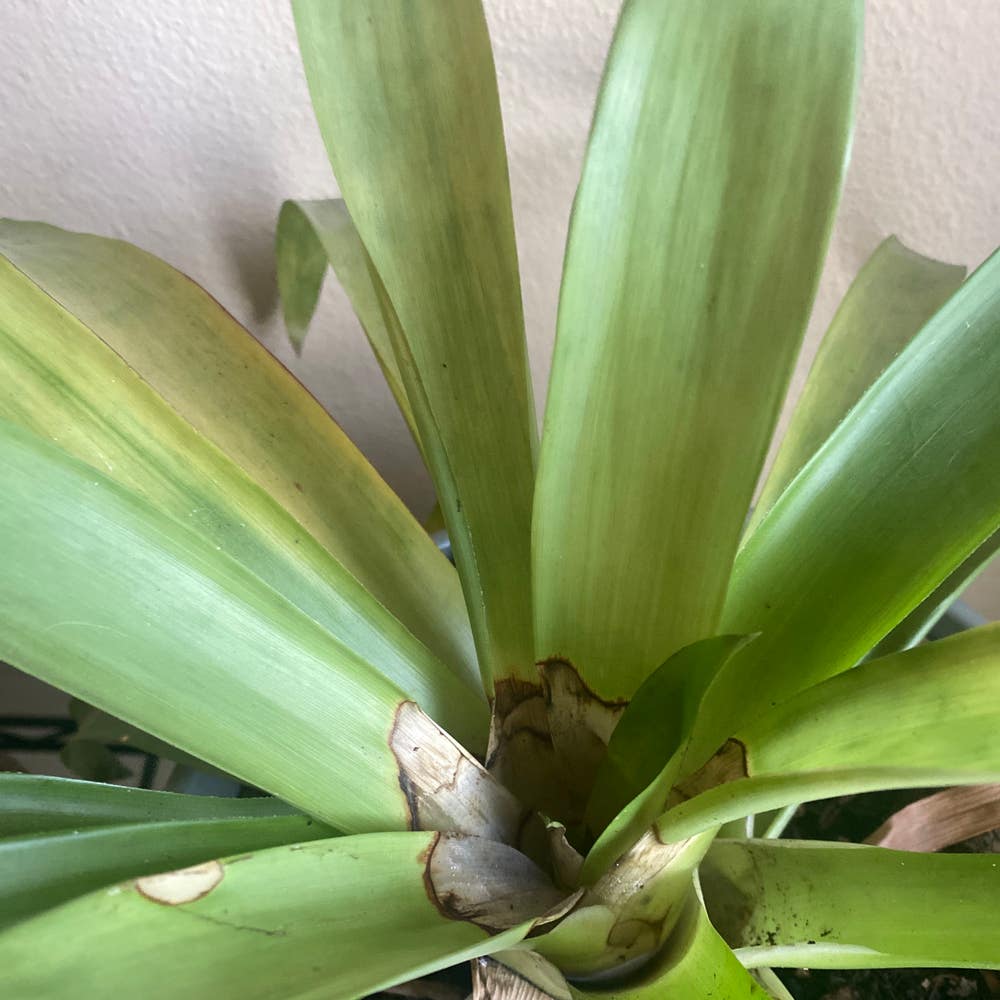
Visual cues are your first hint that a Neoregelia chlorosticta is ready to bloom. As the plant prepares for its floral debut, you may notice a color shift in the leaves, often referred to as blushing, with hues intensifying to pinks, reds, or purples. Buds will begin as small, green, and inconspicuous, but as they swell, they'll reveal hints of the vibrant spectacle to come.
🌼 The Lifecycle Milestone: What Blooming Means for Your Plant
Blooming is a milestone in your plant's life, signaling maturity and robust health. It's not just a visual treat; it's a critical phase for reproduction and species continuation. Post-bloom, expect changes in the plant's growth pattern, as it may divert energy to seed formation or enter a period of rest. Keep an eye on the foliage; changes there can indicate whether your care routine needs tweaking.
Setting the Stage for Spectacular Blooms
💡 Perfecting the Light and Temperature Tango
Light is the maestro of the blooming symphony for Neoregelia chlorosticta. To encourage flowering, aim for bright, indirect sunlight. Direct rays can be the villain, leading to scorched leaves rather than vibrant blooms.
Temperature plays a supporting role, with a preference for warm days and slightly cooler nights. Keep the thermometer steady; dramatic fluctuations are as unwelcome as a cell phone ringing during a piano solo.
💦 Humidity and Watering: The Moisture Balance
Humidity is the unsung hero in the blooming narrative. Aim for that tropical vibe, around 60%, to get the petals popping. Too dry, and the blooms might bail; too damp, and you're in fungus territory.
When it comes to watering, think of it as the rhythm section—essential but not overpowering. Keep the soil moist but not waterlogged. Overwatering is like a flood in the orchestra pit, while under-watering is the sound of missed cues.
Timing Is Everything: Seasonal Blooming Secrets
⏰ Syncing with Nature's Clock
Recognizing the natural blooming season of Neoregelia chlorosticta is crucial for its floral success. Typically, this plant will showcase its vibrant blooms in sync with the warmer, brighter days of spring. As daylight lengthens, the plant awakens from its restful state, signaling the time to ramp up care.
Adapting your care routine to seasonal changes is essential. As temperatures rise, so should your attentiveness to watering, feeding, and positioning your plant to make the most of the available light. This alignment with the plant's growth cycle supports robust health and a spectacular bloom.
🎩 Tricks to Trigger Off-Season Blooms
Can you outsmart nature and coax a bloom out of season? Possibly, with a bit of strategic stress. Plants, after all, don't keep diaries. They respond to environmental cues, and by manipulating these—such as light exposure, temperature, and feeding—you might just trick your Neoregelia chlorosticta into blooming off-schedule.
Light manipulation can be key. By extending daylight hours artificially, you can mimic the long days of spring. Combine this with a consistent temperature that mirrors springtime warmth, and your plant may be none the wiser. Just remember, while you can try to encourage off-season blooms, nature often has the final say.
After the Bloom: Ensuring Continued Splendor
🌼 Post-Bloom Care and Maintenance
Nurturing your plant after the flowers fade is like hitting the reset button. It's time to reduce watering gradually, guiding your Neoregelia chlorosticta into a restful period. This dormancy isn't just downtime; it's a crucial phase for the plant to recharge.
Balanced fertilizer is your ally in the post-bloom stage. Apply it with a light hand; your plant's not running a marathon right now, it's taking a leisurely stroll. Overfertilizing is the equivalent of force-feeding; it does more harm than good.
🌱 Recovery Nutrition
Check the soil and roots—they're the foundation of your plant's health. If you find the soil out of tune, it's time for a remix. Healthy soil is the unsung hero of the next blooming cycle.
Snip away spent blooms to help your plant focus its energy on future growth. Think of it as clearing the stage after a rock concert, making room for the next big act.
🌱 Soil and Root Care
Pest checks are non-negotiable. Aphids and mealybugs are like uninvited backstage fans—they need to be shown the door quickly. Regular inspections and prompt action will keep your plant's performance on track.
Maintain a stable environment—no dramatic changes in temperature or humidity. Your plant's comfort zone is key to its comeback for the next blooming season. Keep the backstage area comfy for the star of the show.
⚠️ Safety First
This content is for general information and may contain errors, omissions, or outdated details. It is not medical, veterinary advice, or an endorsement of therapeutic claims.
Always consult a qualified healthcare professional before using any plant as food, medicine, or supplement.
Never eat any plant (or feed one to pets) without confirming its identity with at least two trusted sources.
If you suspect poisoning, call Poison Control (800) 222-1222, the Pet Poison Helpline (800) 213-6680, or your local emergency service immediately.
Spotted an error? Please report it here.
Achieve a spectacular bloom 🌺 with your Neoregelia chlorosticta by leveraging Greg's environmental tracking and personalized care adjustments for that perfect flowering season.