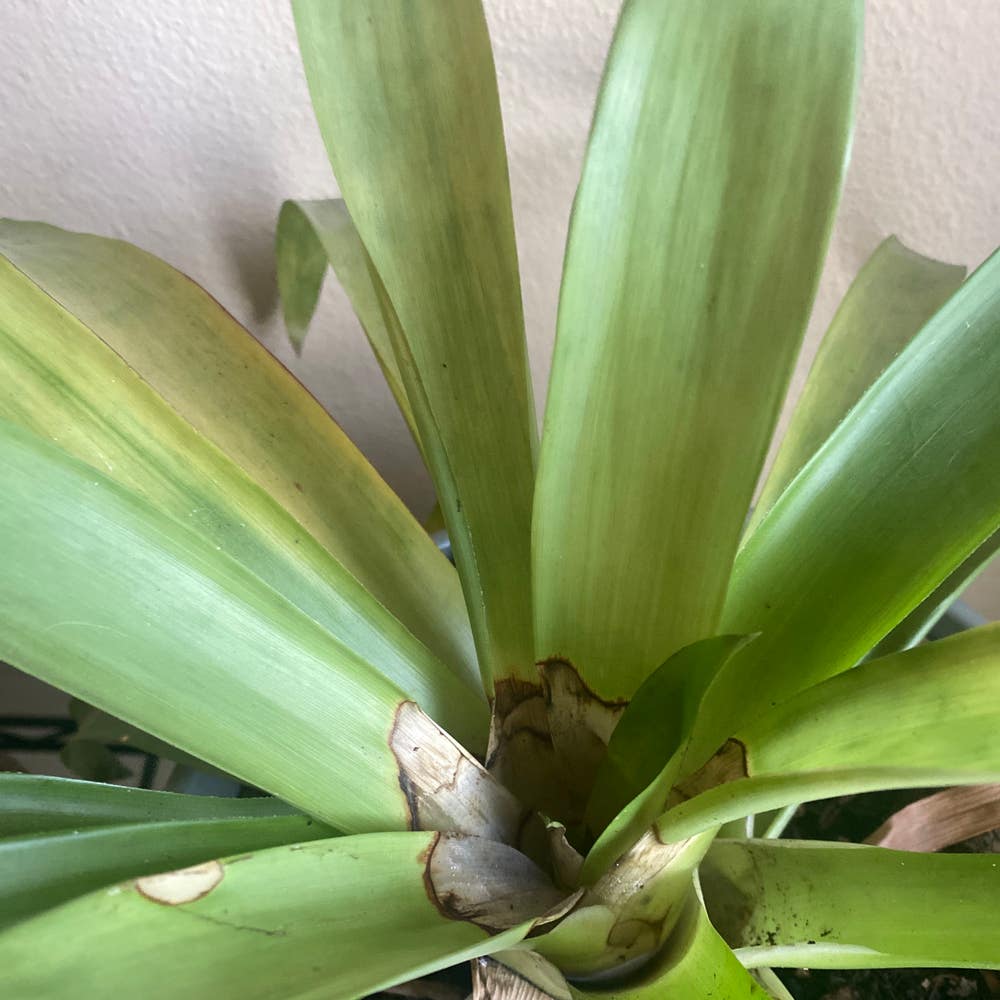
Best Pot for Neoregelia 🪴
Neoregelia chlorosticta
By the Greg Editorial Team
Sep 29, 2024•6 min read
This article was created with the help of AI so we can cover more plants for you. May contain errors. See one? Report it here.
Unlock your Neoregelia's potential 🌱 with perfect potting techniques for thriving growth and vibrant health! 🌿
- 🌱 Choose pots with drainage holes to prevent root rot and promote healthy growth.
- 🏺 Select the right pot size for your Neoregelia's growth stage to avoid stunted growth.
- 🌿 Use a well-draining mix designed for bromeliads to support optimal health.
Drainage Considerations
Importance of Drainage Holes 🌧️
Drainage holes are crucial for preventing water accumulation in pots. They help maintain optimal moisture levels for your Neoregelia, ensuring it thrives.
How Drainage Affects Root Health 🌱
Proper drainage is vital for root health, as it prevents root rot by allowing air circulation around the roots. If you notice yellowing leaves, wilting, or stunted growth, these could be signs of poor drainage.
Best Practices for Ensuring Proper Drainage 🚰
To ensure your Neoregelia has the best chance of thriving, choose pots with multiple drainage holes. Additionally, using a well-draining potting mix specifically designed for bromeliads will promote healthy growth.
Elevating pots slightly can also help excess water escape, further enhancing drainage. Implementing these practices will create a healthier environment for your plant.
With proper drainage in place, your Neoregelia will be set up for success, paving the way for the next important step: repotting.
Repotting Neoregelia
Signs That It's Time to Repot 🌱
Recognizing when to repot your Neoregelia is crucial for its health. Look for roots growing out of the drainage holes; this is a clear sign your plant is root-bound.
Stunted growth, even with proper care, can indicate that the plant needs more space. Additionally, if the soil appears compacted or lacks nutrients, it's time to consider repotting.
Step-by-Step Guide to Repotting Neoregelia 🛠️
Repotting doesn't have to be daunting. Follow these simple steps for a smooth transition:
- Prepare a new pot with drainage holes to ensure proper water flow.
- Gently remove the plant from its current pot, being careful not to damage the roots.
- Inspect the roots and trim any dead or damaged ones to promote healthy growth.
- Place the plant in the new pot, ensuring it sits at the right height.
- Fill with fresh, well-draining potting mix to provide the nutrients it needs.
- Water lightly to settle the soil, ensuring the roots have good contact with the new medium.
Choosing the Right Pot During Repotting 🪴
Selecting the right pot is essential for your Neoregelia's growth stage. Consider the size and material based on how mature your plant is.
Ensure the pot's shape complements the unique rosette structure of Neoregelia. This will not only enhance its aesthetic appeal but also support its growth effectively.
Repotting is a vital part of caring for your Neoregelia. By recognizing the signs and following the steps outlined, you can ensure your plant thrives in its new home. Next, let’s explore the best pot sizes for your Neoregelia as it grows.
Pot Size Recommendations
Recommended Pot Sizes for Juvenile Neoregelia 🌱
When starting with juvenile Neoregelia, choose a pot size between 4 to 6 inches. This size provides enough room for growth while preventing excess soil that can retain too much moisture.
As your plant grows, be ready to transition to larger pots. This ensures that the roots have adequate space to expand without becoming root-bound.
Recommended Pot Sizes for Mature Neoregelia 🌳
For mature Neoregelia, aim for a final pot size of 8 to 12 inches. A larger pot not only accommodates the plant's size but also offers stability, which is crucial for its health.
Stability is particularly important for larger plants, as it helps prevent tipping and promotes overall growth.
Adjusting Pot Size as the Plant Grows 📏
Regularly monitor your Neoregelia's growth every 6 to 12 months. This practice allows you to catch any signs that it may need a larger pot.
When it's time to repot, increase the pot size by about 2 inches for each transition. This gradual adjustment helps maintain optimal growing conditions and supports healthy development.
With the right pot size, your Neoregelia can thrive, setting the stage for vibrant growth and stunning displays. Next, let’s explore the materials you can choose for your pots.
Material Comparisons
Pros and Cons of Clay Pots 🌱
Clay pots are a popular choice for Neoregelia due to their breathability. This allows air to circulate around the roots, promoting healthy growth.
However, they can be quite heavy, making them less portable. Additionally, clay pots tend to dry out quickly, which may require more frequent watering.
Pros and Cons of Plastic Pots 🪴
Plastic pots are lightweight and easy to handle, making them a favorite for many plant enthusiasts. They also retain moisture well, which can be beneficial for Neoregelia.
On the downside, plastic pots offer less airflow, increasing the risk of root rot. This can be a concern if the plant is overwatered or if drainage is inadequate.
Other Materials to Consider 🏺
Ceramic pots are another attractive option, providing both aesthetic appeal and humidity retention. They can enhance the overall look of your plant display.
Terracotta pots, while breathable, can dry out quickly. This means you’ll need to monitor moisture levels closely to keep your Neoregelia thriving.
Choosing the right pot material is crucial for the health of your Neoregelia. Each option has its unique benefits and drawbacks, so consider your plant's needs and your personal preferences when making a selection.
Next, let’s explore common mistakes that can hinder your plant's growth.
Common Mistakes
🪴 Overpotting and Its Effects
Overpotting can lead to serious issues for your Neoregelia. Excessive soil retains too much water, creating a breeding ground for root rot.
Signs of overpotting include slow growth and yellowing leaves. If your plant seems to be struggling despite your care, it might be time to reassess its pot size.
🚫 Choosing Pots Without Drainage Holes
Selecting pots without drainage holes is a common pitfall. This can result in water accumulation, which severely deteriorates root health.
Always prioritize pots with adequate drainage to ensure your Neoregelia thrives. Proper drainage is essential for maintaining healthy moisture levels.
📏 Ignoring Growth Stage When Selecting Pot Size
Ignoring the growth stage of your Neoregelia can lead to improper sizing. This can stunt growth and create health issues for your plant.
Regularly adjust pot size as your plant matures. Keeping an eye on its growth will help you make the right decisions for its ongoing health and vitality.
By avoiding these common mistakes, you can ensure your Neoregelia remains vibrant and healthy. Next, let’s explore the best pot sizes for both juvenile and mature plants.
⚠️ Safety First
This content is for general information and may contain errors, omissions, or outdated details. It is not medical, veterinary advice, or an endorsement of therapeutic claims.
Always consult a qualified healthcare professional before using any plant as food, medicine, or supplement.
Never eat any plant (or feed one to pets) without confirming its identity with at least two trusted sources.
If you suspect poisoning, call Poison Control (800) 222-1222, the Pet Poison Helpline (800) 213-6680, or your local emergency service immediately.
Spotted an error? Please report it here.
Keep your Neoregelia thriving 🌿 by selecting the right pot with drainage, and let Greg guide you with tailored care tips to create the ideal environment for your plant's success!