What Temperature Does My Neoregelia chlorosticta Need?
Neoregelia chlorosticta
By the Greg Editorial Team
Mar 23, 2024•4 min read
This article was created with the help of AI so we can cover more plants for you. May contain errors. See one? Report it here.
Discover how to keep your Neoregelia chlorosticta lush 🌿 by nailing the ideal temperature range!
- Ideal temperatures: 60-80°F day, 55-65°F night for Neoregelia chlorosticta.
- Watch for stress signs like wilting, discoloration, and spiraled leaves.
- Use tech aids like thermostats and humidifiers for stable conditions.
Dialing in the Perfect Temperature
Finding the sweet spot for your Neoregelia chlorosticta is key to its vibrant health.
🌞 Basking in the Daylight
For lush leaves and a happy plant, aim for daytime temperatures between 60-80°F (15-27°C). This range mimics the warm, tropical climate Neoregelia chlorosticta adores.
🌜 Embracing the Nighttime Chill
At night, a slight drop to 55-65°F (13-18°C) lets your plant rest and rejuvenate. It's not just cooler; it's a vital part of their growth cycle.
When the Heat is Too Much or Too Little
🌡️ Telltale Signs of Discomfort
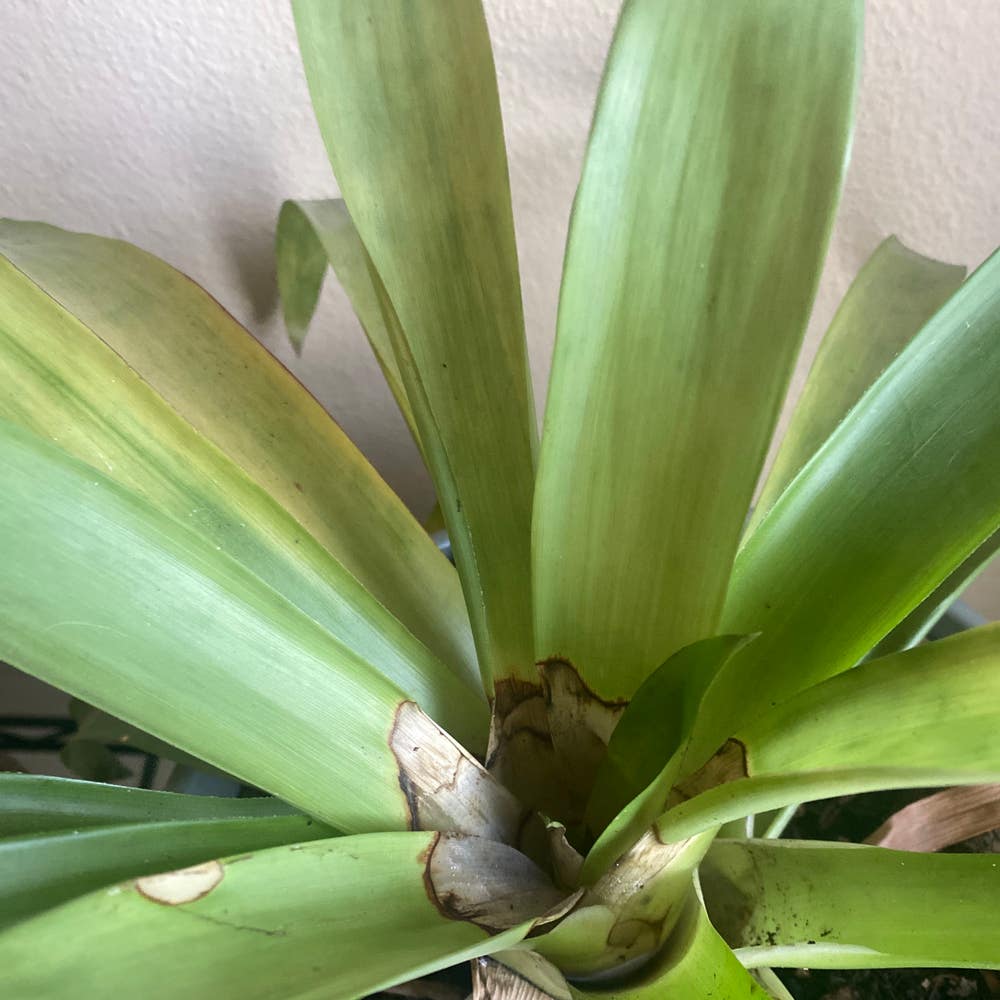
Wilting leaves are your Neoregelia chlorosticta's white flag of surrender to temperature extremes. If you notice leaf discoloration—think yellow or brown spots—your plant is sending an SOS. Corkscrew-like spirals in the foliage aren't a new aesthetic; they're a cry for help. These are the visual cues that scream, "Hey, I'm not okay with this temperature!"
🌞 Common Culprits of Temperature Turmoil
Direct sunlight can be a silent assassin, leading to leaf burn and a plea for shade. Conversely, a chilly draft might as well be an ice bath for your tropical buddy, resulting in droopy, unhappy leaves. Inconsistent temperatures are like a rollercoaster ride that no plant signed up for. Keep an eye out for these sneaky stressors and adjust your plant's environment accordingly.
Keeping the Temperature Just Right
Mastering your home's climate is crucial for the happiness of your Neoregelia chlorosticta. Let's dive into how you can keep the temperature dialed in just right.
🌡️ Seasonal Adjustments
Winter's chill and summer's blaze demand that you tweak your plant's environment. Insulate windows to fend off the cold, and when summer hits, shield your Neoregelia from the scorching sun. It's not about pampering; it's about survival.
Rotate your plant away from drafty spots in winter and from windows that magnify summer heat. Think of it as giving your plant a seasonal wardrobe change—essential for its well-being.
💻 Technological Aids
Thermostats are your secret weapon, offering a consistent climate for your tropical friend. A reliable thermometer keeps you informed, while heating mats or space heaters can provide a warm embrace during colder months.
Fans or air conditioners are your go-to during heatwaves, ensuring your plant doesn't sweat it out. Remember, your Neoregelia chlorosticta doesn't need a tropical vacation, just a stable environment to call home.
A Quick Nod to Humidity
Humidity is not a mere sidekick to temperature for your Neoregelia chlorosticta—it's a key partner in the plant's well-being. While these tropical beauties can survive in the average humidity of a home, they truly thrive with a bit more moisture in the air.
🌡️ The Humidity-Temperature Tango
The relationship between humidity and temperature is a delicate balance. Too dry, and your Neoregelia chlorosticta may struggle to maintain its vibrant foliage. Too moist, and you risk fungal issues or rot. Aim for a consistent environment that mimics the natural humidity of their native habitat.
🌿 Boosting Humidity Naturally
Creating a microclimate by grouping plants together can raise humidity levels through collective transpiration. It's like throwing a small party for your plants where everyone benefits from the shared, moist atmosphere.
💨 Technological Assistance
If your indoor air is on the arid side, consider using a humidifier to give your Neoregelia chlorosticta the tropical vibe it craves. Conversely, if you're living in a veritable steam room, a dehumidifier can help prevent your plant from getting too clammy.
🕵️ Monitoring for Moisture
Keep an eye on your plant for signs that the humidity is off. Crispy tips or wilted leaves can signal a need for more moisture, while a damp or musty smell might indicate it's time to dial it back. Remember, consistency is key—abrupt changes in humidity are as unwelcome as a cold draft on a warm day.
⚠️ Safety First
This content is for general information and may contain errors, omissions, or outdated details. It is not medical, veterinary advice, or an endorsement of therapeutic claims.
Always consult a qualified healthcare professional before using any plant as food, medicine, or supplement.
Never eat any plant (or feed one to pets) without confirming its identity with at least two trusted sources.
If you suspect poisoning, call Poison Control (800) 222-1222, the Pet Poison Helpline (800) 213-6680, or your local emergency service immediately.
Spotted an error? Please report it here.
Ensure your Neoregelia chlorosticta enjoys optimal growth 🌡️ by using Greg to monitor and adjust your home's microclimate based on the plant's specific needs.