💧 How Much Humidity Does My Neoregelia chlorosticta Need?
Neoregelia chlorosticta
By the Greg Editorial Team
Mar 23, 2024•3 min read
This article was created with the help of AI so we can cover more plants for you. May contain errors. See one? Report it here.
Ensure your Neoregelia chlorosticta thrives with the ultimate humidity guide! 🌿🌡️
- Ideal humidity is 40%-60% for Neoregelia chlorosticta to thrive.
- 🍂 Crispy leaves signal low humidity; use humidifiers or pebble trays.
- 🌬️ Too humid? Increase airflow or use a dehumidifier.
Dialing in the Perfect Humidity for Your Neoregelia chlorosticta
🌴 What's the Sweet Spot?
Neoregelia chlorosticta thrives in humidity levels that mirror their native tropical climes. Aim for a 40%-60% relative humidity (RH) range to keep these bromeliads content. Temperature isn't just a number—it affects how your plant perceives humidity. Warmer air holds more moisture, so adjust your humidity tactics with the thermostat.
💧 When the Air's Too Dry
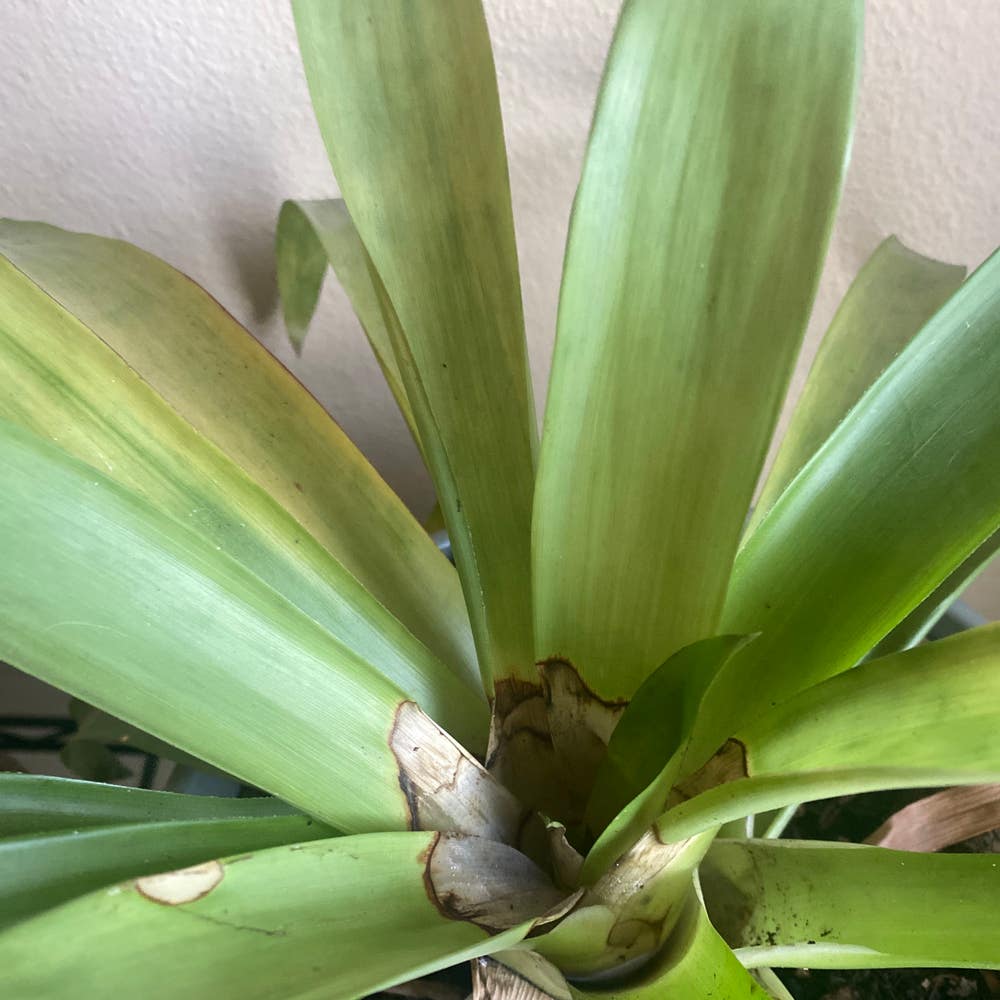
Crispy leaves? Your Neoregelia chlorosticta is gasping for moisture. Brown leaf tips are a distress signal for low humidity. To combat dry air, introduce a humidifier or create a pebble tray filled with water beneath the plant. It's a quick fix, like giving your plant a sip of water when it really wants a gulp.
💦 When It's a Humidity Jungle
Too much of a good thing can lead to a soggy mess. Watch for lethargic, droopy leaves—they're a telltale sign of excessive humidity. If your Neoregelia chlorosticta is starting to look like it's underwater, dial it back. Increase airflow with fans or crack a window. Remember, balance is key—your plant's not auditioning for a role in a rainforest documentary.
Humidity Hacks for Happy Neoregelia chlorosticta
🌴 Boosting Humidity at Home
Creating a tropical haven for your Neoregelia chlorosticta doesn't require a rainforest makeover. A humidifier can be your plant's best friend, pumping out a steady stream of moisture to keep those leaves lush.
DIY Pebble Trays
Alternatively, get your hands dirty with a DIY pebble tray. Just add water below a layer of stones, and let evaporation do the heavy lifting. It's a low-tech solution with high impact.
Misting: Friend or Foe?
Misting seems like a quick fix, but it's a double-edged sword. A light spritz can up the humidity, but too much and you're inviting leaf rot. Use a gentle touch if you go this route.
🏝 Keeping Humidity on the Down-Low
Sometimes, less is more. If your Neoregelia chlorosticta is swimming in moisture, it's time to dial it back. A dehumidifier can help, or simply improving airflow can prevent your plant from going underwater.
Dehumidifiers and Airflow
Place your plant in a spot where air can circulate without creating a wind tunnel. A fan on low can mimic a natural breeze, keeping the air fresh without chilling your plant.
The Watering Connection
When it comes to watering, think moderation. Overzealous hydration can lead to a humidity overload. Water when the soil feels dry to the touch, and avoid the swamp effect.
Know Your Environment
🌡️ The Lowdown on Local Humidity
Your Neoregelia chlorosticta doesn't just soak up water; it soaks up the atmosphere. The local humidity where you live can make or break this plant's mojo. Coastal climates might leave it basking in moisture, while arid zones could have it gasping for a breath of humid air.
Hygrometers are your secret weapon, letting you in on the humidity levels of your home with a glance. It's like having a weather station tailored for your plant's needs, minus the overenthusiastic weatherperson.
🍂 Adjusting to the Seasons
Seasonal shifts are like mood swings for your Neoregelia chlorosticta. As summer turns to fall, and fall to winter, your plant will feel the change. Adaptation is key. You might need to play around with humidifiers or tweak your watering schedule to keep the humidity just right.
For those growing their Neoregelia chlorosticta outdoors, remember that Mother Nature can be a fickle friend. Shield your plant from the elements with strategic placement or temporary covers. It's about creating a microclimate that keeps the humidity steady, even when the weather is doing somersaults.
⚠️ Safety First
This content is for general information and may contain errors, omissions, or outdated details. It is not medical, veterinary advice, or an endorsement of therapeutic claims.
Always consult a qualified healthcare professional before using any plant as food, medicine, or supplement.
Never eat any plant (or feed one to pets) without confirming its identity with at least two trusted sources.
If you suspect poisoning, call Poison Control (800) 222-1222, the Pet Poison Helpline (800) 213-6680, or your local emergency service immediately.
Spotted an error? Please report it here.
Ensure your Neoregelia chlorosticta thrives with just-right humidity 🌡 by following Greg's tailored reminders to keep those leaves lush and crispy tips at bay!