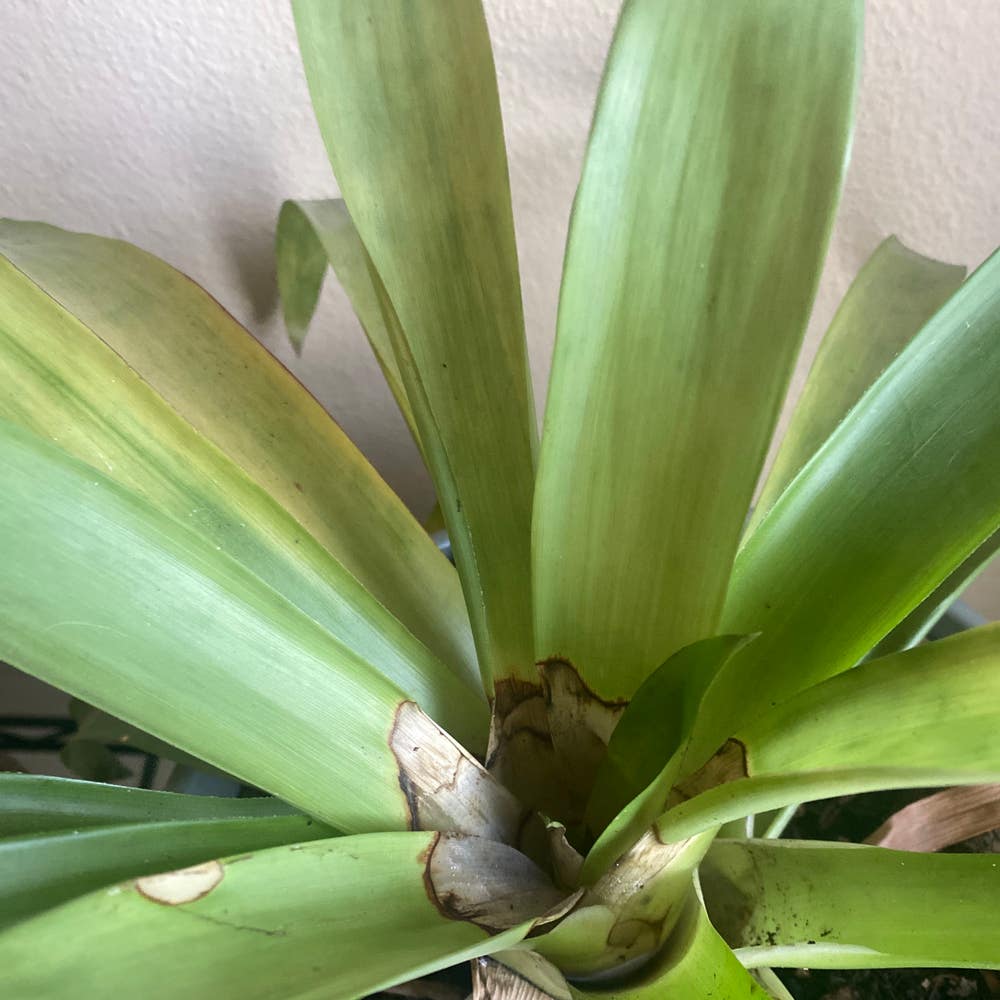
🌞 9 Steps to a Healthy Outdoor Neoregelia
Neoregelia chlorosticta
By the Greg Editorial Team
Sep 26, 2024•6 min read
This article was created with the help of AI so we can cover more plants for you. May contain errors. See one? Report it here.
Transform your Neoregelia into a stunning centerpiece with essential care tips for vibrant growth! 🌱
- 🌞 Neoregelia needs 4-6 hours of bright, indirect sunlight for optimal growth.
- 💧 Water every 1-2 weeks, allowing soil to dry out for healthy roots.
- 🌱 Use well-draining soil and fertilize every 4-6 weeks for nutrient absorption.
Sunlight Needs
Ideal Exposure 🌞
Neoregelia thrives in bright, indirect sunlight. Aim for 4-6 hours of filtered sunlight daily to keep your plants vibrant and healthy.
Signs of Insufficient Light 🚨
If your Neoregelia's leaves start fading or lose their vibrant hues, it’s a sign they’re not getting enough light. Additionally, a stretching or leggy appearance indicates they’re reaching for more sunlight.
Adjusting Exposure 🌳
To protect your plants from harsh afternoon sun, consider using shade cloth. Positioning them near taller plants can also provide dappled light, creating a more suitable environment for growth.
Understanding the sunlight needs of Neoregelia is crucial for their overall health. Next, let’s dive into their watering requirements to ensure they thrive in your outdoor space.
Watering Requirements
General Guidelines 🌊
Watering your Neoregelia is straightforward. Aim to water every 1-2 weeks, ensuring the top inch of soil dries out between waterings.
Effective Watering Method 💧
To mimic natural rainfall, pour water directly into the rosette. This technique helps the plant absorb moisture efficiently.
Seasonal Adjustments ☀️
As temperatures rise, increase your watering frequency to once a week during peak summer. In cooler months, allow for longer drying periods in fall and winter.
Water Quality Considerations 💦
Opt for distilled or rainwater to prevent chemical buildup from tap water. Additionally, always monitor drainage to ensure your pots or ground soil drain well, which is crucial for preventing root rot.
Conclusion 🌱
By following these watering guidelines, you’ll set your Neoregelia up for success. Next, let’s explore the ideal soil preferences to keep your plant thriving.
Soil Preferences
Ideal Composition 🌱
For Neoregelia to thrive, a well-draining soil mix is essential. Combine organic matter, like peat moss, with sand or perlite to create a light, airy substrate.
The pH level is also crucial; aim for a slightly acidic to neutral pH between 5.5 and 7.0. This balance ensures that your plant can absorb nutrients effectively.
Amendments 🌿
To boost nutrient content and moisture retention, consider adding compost to your soil mix. This not only enriches the soil but also supports healthy growth.
If your soil tends to be heavy, adjusting drainage is key. Incorporate more sand or perlite to enhance aeration and prevent waterlogging, which can harm your Neoregelia.
Understanding these soil preferences will set the foundation for a flourishing plant. Next, let’s explore the fertilization schedule to keep your Neoregelia vibrant and healthy.
Fertilization Schedule
Guidelines 🌱
Fertilizing your Neoregelia is essential for vibrant growth. Aim to fertilize every 4-6 weeks during the growing season, which spans spring and summer.
Use a balanced, water-soluble fertilizer, like a 20-20-20 mix, to provide the necessary nutrients. This ensures your plants receive a well-rounded diet for optimal health.
Special Considerations ⚠️
Always dilute your fertilizer to half-strength. This precaution helps prevent root burn, allowing your plants to absorb nutrients without damage.
For a more sustainable approach, consider using slow-release organic fertilizers. They provide a steady nutrient supply over time, promoting healthier growth with less frequent application.
With the right fertilization schedule, your Neoregelia will thrive, showcasing its stunning colors and unique forms. Next, let’s explore how to protect your plants from extreme weather and pests.
Weather Protection and Pest Management
🌪️ Strategies for Extreme Weather
Protecting your Neoregelia from extreme weather is crucial for its health. During cold snaps, use frost cloths or bring containers indoors to shield them from frost damage.
In contrast, during extreme heat, providing shade is essential. Consider using shade cloth or positioning your plants under taller foliage to prevent sunburn.
🐞 Common Outdoor Pests
Aphids
Aphids can be a nuisance for your Neoregelia. Look for sticky residue on leaves or curled foliage as telltale signs of their presence.
To control aphids, use insecticidal soap or neem oil. These methods are effective and safe for your plants.
Mealybugs
Mealybugs are another common pest that can affect your plants. They appear as white, cotton-like masses on leaves.
For control, manually remove them and use alcohol swabs to eliminate any remaining pests. This hands-on approach can keep your Neoregelia healthy.
🦠 Signs of Disease and Treatment Options
Root Rot
Root rot is a serious concern for Neoregelia owners. Symptoms include wilting and yellowing leaves, even when you’re watering adequately.
To treat root rot, improve drainage and reduce watering frequency. This helps prevent further damage and encourages recovery.
Fungal Infections
Fungal infections can manifest as leaf spots or mold growth. If you notice these symptoms, it’s time to act.
Remove affected leaves promptly and apply fungicide if necessary. Quick action can save your plant from further decline.
By staying vigilant about weather conditions and pest management, you can ensure your Neoregelia thrives. Next, let’s explore the seasonal care needed to keep your plants flourishing throughout the year.
Seasonal Care
Spring Tips 🌱
As the days grow longer, it's time to kickstart your Neoregelia's growth. Begin regular fertilization to provide essential nutrients as new leaves emerge.
If your plant is root-bound, consider repotting. A fresh pot with well-draining soil can give your Neoregelia the space it needs to thrive.
Summer Considerations ☀️
Summer brings warmth, which means increased watering. Keep a close eye on moisture levels to ensure your plant stays hydrated during the heat.
Pest activity can ramp up in summer, so be vigilant. Regularly check for any unwanted guests that could harm your Neoregelia.
Fall Preparation 🍂
As temperatures begin to drop, it's time to adjust your watering routine. Reduce the frequency, allowing the soil to dry out more between waterings.
Start implementing protective measures to prepare for cooler weather. This proactive approach can help your plant transition smoothly into the fall.
Winter Care ❄️
Winter can be tough on outdoor plants, so frost protection is crucial. Use coverings or bring containers indoors during cold snaps to shield them from harsh conditions.
Water sparingly during winter months. Only give your Neoregelia a drink if the soil is completely dry, ensuring it doesn't sit in soggy conditions.
Transitioning through the seasons requires attention and care, but with these tips, your Neoregelia will flourish year-round. Next, let’s explore how climate zones impact your plant's growth and care needs.
Climate Zone Considerations
Best Zones 🌴
Neoregelia thrives best in USDA zones 10-11, where the climate is warm and humid. These conditions mimic its native tropical habitat, allowing for vibrant growth and stunning foliage.
Special Considerations ❄️
In cooler climates, extra care is essential. You may need to bring your Neoregelia indoors during winter to protect it from frost.
For those in hotter climates, ensure your plants receive adequate watering and shade during peak sun hours. This balance helps prevent stress and keeps your Neoregelia looking its best.
Understanding these climate nuances will set you up for success in cultivating these beautiful plants. Now, let’s dive into seasonal care to keep your Neoregelia thriving year-round!
⚠️ Safety First
This content is for general information and may contain errors, omissions, or outdated details. It is not medical, veterinary advice, or an endorsement of therapeutic claims.
Always consult a qualified healthcare professional before using any plant as food, medicine, or supplement.
Never eat any plant (or feed one to pets) without confirming its identity with at least two trusted sources.
If you suspect poisoning, call Poison Control (800) 222-1222, the Pet Poison Helpline (800) 213-6680, or your local emergency service immediately.
Spotted an error? Please report it here.
Nurture your Neoregelia to bloom beautifully 🌺 with Greg's custom watering alerts and expert care tips that keep your plant thriving through every season!