Year-Round Light Requirements For My Neoregelia chlorosticta
Neoregelia chlorosticta
By the Greg Editorial Team
Mar 23, 2024•5 min read
This article was created with the help of AI so we can cover more plants for you. May contain errors. See one? Report it here.
Master year-round brilliance for your Neoregelia chlorosticta with savvy lighting tips. 🌟🌱
- 🌞 Spring/Summer: More sun, Fall/Winter: Maximize light.
- 🏡 South-facing windows best for consistent indoor light.
- 💡 Use LED grow lights to supplement natural light.
Soaking Up the Sun: Outdoor Light Strategies
🌞 Seasonal Sunshine Savvy
Spring and summer bring about a dynamic shift in light needs for the Neoregelia chlorosticta. During spring, your bromeliad will relish the gentler rays of the sun, warranting more direct exposure. As summer heats up, it's crucial to provide afternoon shade to prevent leaf scorch, ensuring those vibrant colors don't fade to a sun-bleached drab.
In contrast, fall and winter's shorter days necessitate maximizing light exposure. Your plant should bask in as much sunlight as possible, provided the temperatures don't dip too low. If you're facing frost, it's time to transition indoors, but more on that later.
🛡️ Shielding from the Scorch
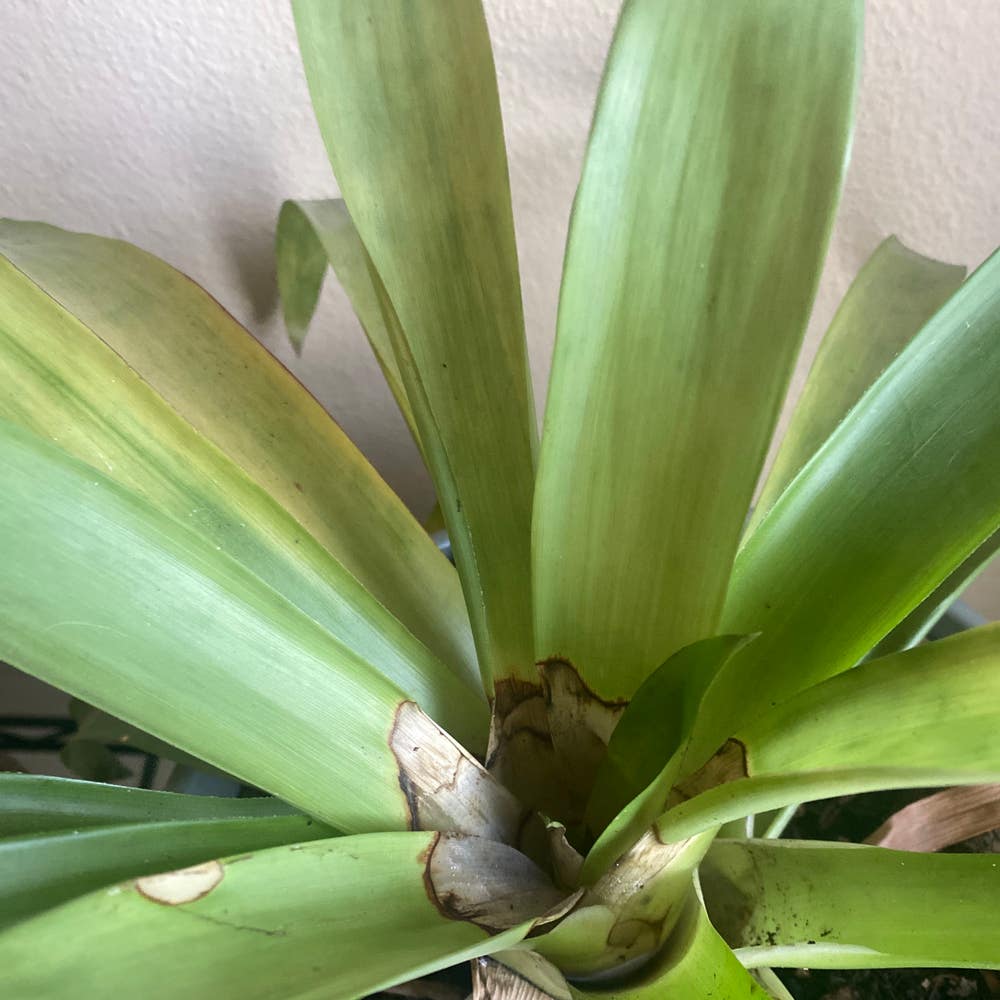
Direct sunlight can be a double-edged sword; it's essential for growth but can cause damage if not managed properly. Morning sunlight is your best friend, offering the right amount of intensity without the harshness of the midday sun. If your plant's leaves start showing signs of distress, like a pale complexion or crispy edges, it's time to dial back on the sunbathing.
Employ natural shade from taller plants or consider setting up artificial structures like pergolas for protection during the hottest parts of the day. And remember, vigilance is key—be ready to relocate your Neoregelia chlorosticta if it starts to show signs of excessive sun exposure.
Indoor Illumination Insights
🌞 Window Wisdom
South-facing windows are the MVPs for indoor plant light, especially for those in the Northern Hemisphere. They offer the most consistent light year-round. For those down under, north-facing windows are your go-to. East or west-facing windows? They're decent, but think of them as the understudies—good, but not the star of the show.
Come winter, your Neoregelia chlorosticta still needs its sun fix. Position it a few feet away from the window to soak up the sun's weaker rays without getting nippy from the glass. A sheer curtain can be a great middleman, diffusing light while keeping the cold at bay.
💡 Dim Light Dilemmas
Leggy stems or dull leaves? That's your Neoregelia crying out for more light. Scorched leaves mean it's getting too much direct sun. It's all about finding that sweet spot.
When winter hits and the light gets stingy, it's time to play musical chairs with your plants. Move them closer to the brightest spots you've got. If your home is more cave than greenhouse, consider a grow light. White or balanced spectrum lights are like a sun substitute that won't leave your plant sunburned. Keep them at the right distance, and you're golden. Rotate your plant regularly to prevent it from doing the Leaning Tower of Pisa impression.
Remember, it's not just about the direction—check for window frosting or energy-saving coatings that might affect light intensity. And those blinds you keep forgetting to open? Yeah, they matter too.
Flower Power: Light's Role in Blooming
⚡️ Triggering Tropical Treasures
Light is the unsung hero in the blooming saga of Neoregelia chlorosticta. This bromeliad's flowering cycle is directly tied to the timing and intensity of light exposure. To nudge your plant into the spotlight, aim for a consistent routine of bright, indirect sunlight. Too much direct light can leave your plant looking sunburned, while too little can prevent the blooms from ever making their debut.
🌸 Seasonal Light Shifts and Flowering
As the seasons turn, so should your lighting strategy. Winter may call for a strategic placement near a south-facing window or the addition of a grow light to compensate for the shorter days. Come summer, you might need to diffuse that intense midday sun with a sheer curtain to avoid leaf burn. It's a delicate dance, but getting it right can lead to a spectacular floral display that'll make all the effort worth it. Keep a close eye on your Neoregelia chlorosticta and adjust the light as needed to keep those blooms coming.
Supplementing Sunlight: The Grow Light Game
💡 When Natural Light Isn't Enough
When your Neoregelia chlorosticta starts resembling a wallflower at a sunlit dance, it's time to consider grow lights. These artificial beams can be a lifeline during the sun-starved winter months or if your living quarters are more dungeon than conservatory. If the leaves lose their luster or the growth seems stunted, it's a clear signal that your plant is craving more light.
💡 Choosing Your Champion Light
LED grow lights are the MVPs in the grow light arena, offering a full spectrum that's akin to the sun's embrace without the risk of sunburn. They're energy-efficient, long-lasting, and kind to your electricity bill. If you're pinching pennies, fluorescent T5 or T8 tubes can step up to the plate. They're less of a financial commitment and still throw a decent punch of light, though they might not cover the full spectrum like their LED counterparts.
Position these lights with care; too close and you risk a crispy plant, too far and it's like a shout across a canyon—ineffective. Aim for a sweet spot of 6 to 12 inches above your Neoregelia chlorosticta. And remember, timing is crucial. Mimic the long days of summer with about 14 hours of light to keep your bromeliad in the growth groove. Use timers to make your life easier and keep the light show consistent.
When you balance the scales right, grow lights won't steal the show from natural sunlight but will harmoniously fill in the gaps, ensuring your Neoregelia chlorosticta stays in the spotlight all year round.
⚠️ Safety First
This content is for general information and may contain errors, omissions, or outdated details. It is not medical, veterinary advice, or an endorsement of therapeutic claims.
Always consult a qualified healthcare professional before using any plant as food, medicine, or supplement.
Never eat any plant (or feed one to pets) without confirming its identity with at least two trusted sources.
If you suspect poisoning, call Poison Control (800) 222-1222, the Pet Poison Helpline (800) 213-6680, or your local emergency service immediately.
Spotted an error? Please report it here.
Keep your Neoregelia chlorosticta thriving 🌟 with Greg's custom light reminders, ensuring your plant gets just the right glow, no matter the season.