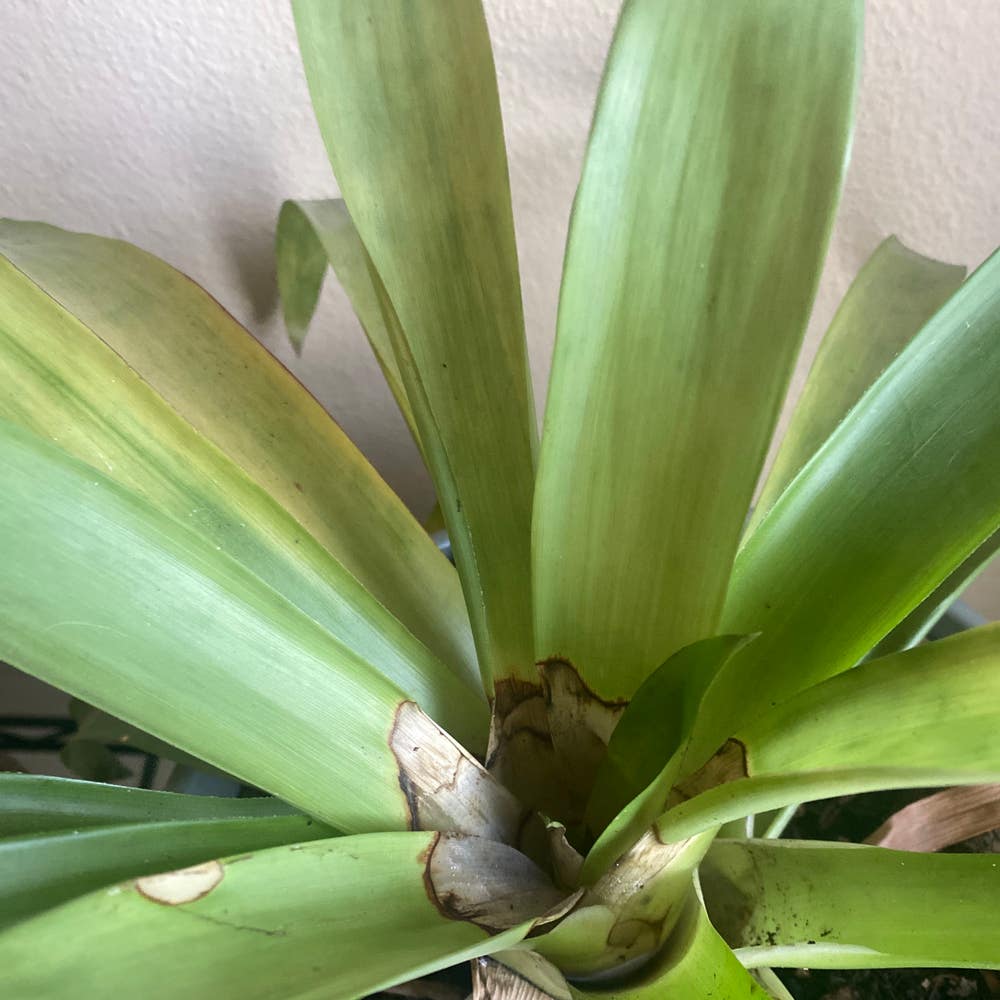
How Fast A Neoregelia Grows 🐢
Neoregelia chlorosticta
By the Greg Editorial Team
Sep 29, 2024•8 min read
This article was created with the help of AI so we can cover more plants for you. May contain errors. See one? Report it here.
Transform your gardening skills 🌱 by mastering the growth stages of Neoregelia, from seed to vibrant bloom! 🌸
- 🌱 Neoregelia germinates in 2-4 weeks with optimal temperature and moisture conditions.
- 🌼 Full maturity takes 2-3 years, progressing through distinct growth stages and vibrant blooms.
- 💧 Consistent moisture and humidity are crucial for healthy growth throughout its life cycle.
Germination Stage
🌱 Duration of Germination
Germination for Neoregelia typically takes about 2 to 4 weeks. This timeframe can vary based on several factors, including temperature, moisture levels, and the quality of the seeds.
🌡️ Conditions for Successful Germination
To ensure successful germination, maintain an optimal temperature between 20°C to 25°C (68°F to 77°F).
Consistent moisture is crucial, but avoid waterlogging the seeds.
For light conditions, indirect light is preferred during this initial growth phase. This helps the seeds establish without the risk of burning.
By providing these ideal conditions, you set the stage for healthy growth as your Neoregelia begins its journey.
Next, we’ll explore the seedling stage, where your plant starts to take shape.
Seedling Stage
Duration of Seedling Growth 🌱
The seedling stage of Neoregelia typically lasts between 3 to 6 months. During this time, the young plants establish themselves, setting the foundation for future growth.
Characteristics of Seedlings 🌿
Seedlings usually stand about 2 to 4 inches tall, showcasing their delicate stature. Their leaves are thin and elongated, often appearing in vibrant green or with slight variegation.
Root Development 🌍
As seedlings grow, they begin to develop a shallow root system. This initial root formation is crucial for anchoring the plant and absorbing moisture and nutrients.
Importance of Care 🛡️
Proper care during this stage is essential for healthy growth. Ensuring adequate light and moisture will help the seedlings thrive as they transition to the next growth phase.
In summary, the seedling stage is a vital period for Neoregelia, where young plants establish their roots and begin to show their unique characteristics. This sets the stage for the exciting vegetative growth that follows.
Vegetative Growth Stage
🌱 Duration of Vegetative Growth
The vegetative growth stage of Neoregelia typically lasts between 1 to 2 years. This duration can vary based on environmental conditions, such as light and humidity.
🍃 Changes in Plant Structure and Appearance
During this stage, the leaves undergo significant development. They become broader and more vibrant, showcasing the plant's health and vigor.
Growth Habit
As the plant matures, it forms a dense rosette shape. This characteristic growth habit not only enhances its aesthetic appeal but also supports efficient water collection.
Size Increase
Expect Neoregelia to grow impressively during this phase, reaching sizes of 12 to 24 inches in diameter. This growth marks a transition from a delicate seedling to a robust, mature plant.
The vegetative growth stage is crucial for establishing a strong foundation for future flowering and seed production. Understanding these changes can help you nurture your Neoregelia effectively.
Next, we’ll explore the flowering stage, where the plant showcases its stunning blooms.
Flowering Stage
Duration of Flowering 🌸
The flowering stage of Neoregelia typically lasts between 2 to 4 months. This beautiful phase usually occurs after 2 to 3 years of growth, rewarding your patience with vibrant blooms.
Description of Flowers and Pollination 🐝
Neoregelia flowers are a sight to behold, featuring brightly colored bracts that cradle small, tubular flowers. These plants primarily rely on insects for pollination, although some species have the ability to self-pollinate, ensuring their survival in various environments.
The flowering stage not only enhances the aesthetic appeal of your Neoregelia but also marks a significant milestone in its growth journey. As the plant transitions from vegetative growth to flowering, it showcases the culmination of your care and attention.
Understanding this stage is crucial for any enthusiast. It’s a reminder that with time and the right conditions, your Neoregelia can flourish beautifully.
As we explore the next section, we'll delve into the seed production stage, where the cycle of life continues.
Seed Production Stage
Duration and Process of Seed Production 🌱
The seed production stage lasts about 4-6 months, starting after the flowering phase. During this time, the Neoregelia plant develops seeds within capsules, ready for future propagation.
Viability of Seeds and Propagation Methods 🌿
Seeds from Neoregelia can remain viable for several years if stored correctly. You can propagate these plants through sexual methods using seeds or asexual methods via offsets, commonly known as pups.
This stage is crucial for ensuring the continuation of your Neoregelia's life cycle. Understanding how to manage seed production and propagation can lead to a thriving collection of these stunning plants.
Next, we’ll explore the overall growth timeline of Neoregelia, detailing how long it takes for these beauties to reach full maturity.
Overall Growth Timeline
How Long Until Neoregelia is Fully Grown? 🌱
Neoregelia typically reaches full growth in about 2-3 years. This timeframe allows the plant to progress through its various stages, from germination to maturity.
How Fast Does Neoregelia Grow? ⚡️
The growth rate of Neoregelia varies by species and environmental conditions. Generally, it is considered moderate, making it a manageable plant for both novice and experienced growers.
Summary of Growth Stages and Their Lengths 📊
Understanding the timeline of Neoregelia's growth stages helps set expectations. Here’s a quick overview:
| Growth Stage | Duration |
|---|---|
| Germination | 2-4 weeks |
| Seedling | 3-6 months |
| Vegetative | 1-2 years |
| Flowering | 2-4 months |
| Seed Production | 4-6 months |
This summary highlights the key phases in the life cycle of Neoregelia, providing a clear roadmap for growers.
As you embark on your journey with Neoregelia, keep these timelines in mind. They will guide you through the fascinating process of nurturing this vibrant plant. Next, we’ll explore the notable changes that occur throughout its life cycle.
Notable Changes Throughout Life Cycle
🌱 Physical Changes During Each Growth Stage
During the germination stage, the first signs of life appear with the emergence of cotyledons. These initial leaves are crucial as they provide the plant with its first source of energy.
In the seedling stage, true leaves begin to develop, marking a significant transition. These leaves are typically thin and elongated, setting the foundation for future growth.
As the plant enters the vegetative stage, it undergoes a remarkable transformation. A robust rosette shape forms, showcasing the plant's strength and vitality.
Finally, in the flowering stage, the plant reveals its vibrant personality through the appearance of colorful bracts. These bracts not only attract pollinators but also add a stunning visual appeal.
🎨 Color Changes and Leaf Development
Initially, Neoregelia plants display green leaves, but as they mature, these leaves can develop into vibrant hues. This color change is not just aesthetic; it reflects the plant's health and adaptability.
📏 Changes in Size and Structure Over Time
The growth journey of Neoregelia is impressive. From a small seedling, the plant can significantly increase in size, reaching up to 12-24 inches in diameter.
As it matures, structural changes occur in the leaf arrangement, enhancing its overall appearance. This evolution is a testament to the plant's resilience and ability to thrive in various conditions.
Understanding these changes can deepen your appreciation for Neoregelia's life cycle. Each stage brings unique characteristics that contribute to its beauty and complexity.
Next, let’s explore the environmental factors that influence this remarkable growth journey.
Environmental Factors Affecting Growth
Light Requirements During Different Stages 🌞
Light plays a crucial role in the growth of Neoregelia.
- Germination: Indirect light is essential to prevent overheating and drying out the seeds.
- Seedling: Bright, indirect light helps seedlings thrive without scorching their delicate leaves.
- Vegetative: During this stage, full to partial shade is ideal, allowing the plant to grow robustly.
- Flowering: Bright, indirect light is necessary to encourage blooming and vibrant colors.
Watering Needs Throughout the Life Cycle 🚰
Watering is another key factor in nurturing Neoregelia.
- Germination: Keep the soil consistently moist to support seed sprouting.
- Seedling: Water when the top inch of soil feels dry, ensuring the roots develop properly.
- Vegetative: Water thoroughly but allow the soil to dry slightly between waterings to prevent root rot.
- Flowering: Maintain consistent moisture to support the blooming process, which is vital for healthy flowers.
Temperature and Humidity Preferences 🌡️
Temperature and humidity significantly influence growth rates and overall plant health.
- Ideal Temperature Range: Neoregelia thrives in temperatures between 20°C to 30°C (68°F to 86°F).
- Humidity: High humidity levels, ideally above 50%, are preferred to mimic their natural tropical environment.
Understanding these environmental factors can help you create the perfect conditions for your Neoregelia to flourish. With the right light, water, temperature, and humidity, you’ll be well on your way to cultivating a stunning plant.
Next, let’s explore the notable changes throughout the life cycle of Neoregelia.
⚠️ Safety First
This content is for general information and may contain errors, omissions, or outdated details. It is not medical, veterinary advice, or an endorsement of therapeutic claims.
Always consult a qualified healthcare professional before using any plant as food, medicine, or supplement.
Never eat any plant (or feed one to pets) without confirming its identity with at least two trusted sources.
If you suspect poisoning, call Poison Control (800) 222-1222, the Pet Poison Helpline (800) 213-6680, or your local emergency service immediately.
Spotted an error? Please report it here.
Unlock the beauty of your Neoregelia 🌺 by using Greg's tailored watering alerts and light tips to ensure vibrant growth and stunning blooms in just a few years!