Neoregelia is Not an Invasive Plant 🌸
Neoregelia chlorosticta
By the Greg Editorial Team
Sep 29, 2024•5 min read
This article was created with the help of AI so we can cover more plants for you. May contain errors. See one? Report it here.
Transform your garden with Neoregelia 🌱—a stunning, non-invasive plant that boosts biodiversity and beauty effortlessly!
- 🌱 Neoregelia is non-invasive, thriving without harming other plants or ecosystems.
- 🌿 Ideal for gardens, it requires minimal maintenance and enhances biodiversity.
- 🌞 Prefers humid, shaded areas, making it perfect for tropical garden designs.
Plant Classification
Definition of Invasive Species 🌱
Invasive species are non-native plants that spread aggressively, often outcompeting local flora and disrupting ecosystems. They typically exhibit rapid growth, high reproductive rates, and adaptability to various environments.
Why Neoregelia is Not Invasive 🚫
Neoregelia is not classified as an invasive species due to its low growth rate and limited spread potential.
This plant usually grows as an epiphyte, thriving on other plants without causing harm, which reduces competition for resources.
Additionally, Neoregelia's natural habitat in humid tropical regions restricts its ability to spread aggressively in non-native environments.
By understanding these characteristics, gardeners can appreciate Neoregelia's unique role in their landscapes without fear of it becoming invasive.
As we explore its growth habits next, you'll see how these traits contribute to its charm in garden settings.
Growth Habits
Typical Growth Patterns in Gardens 🌱
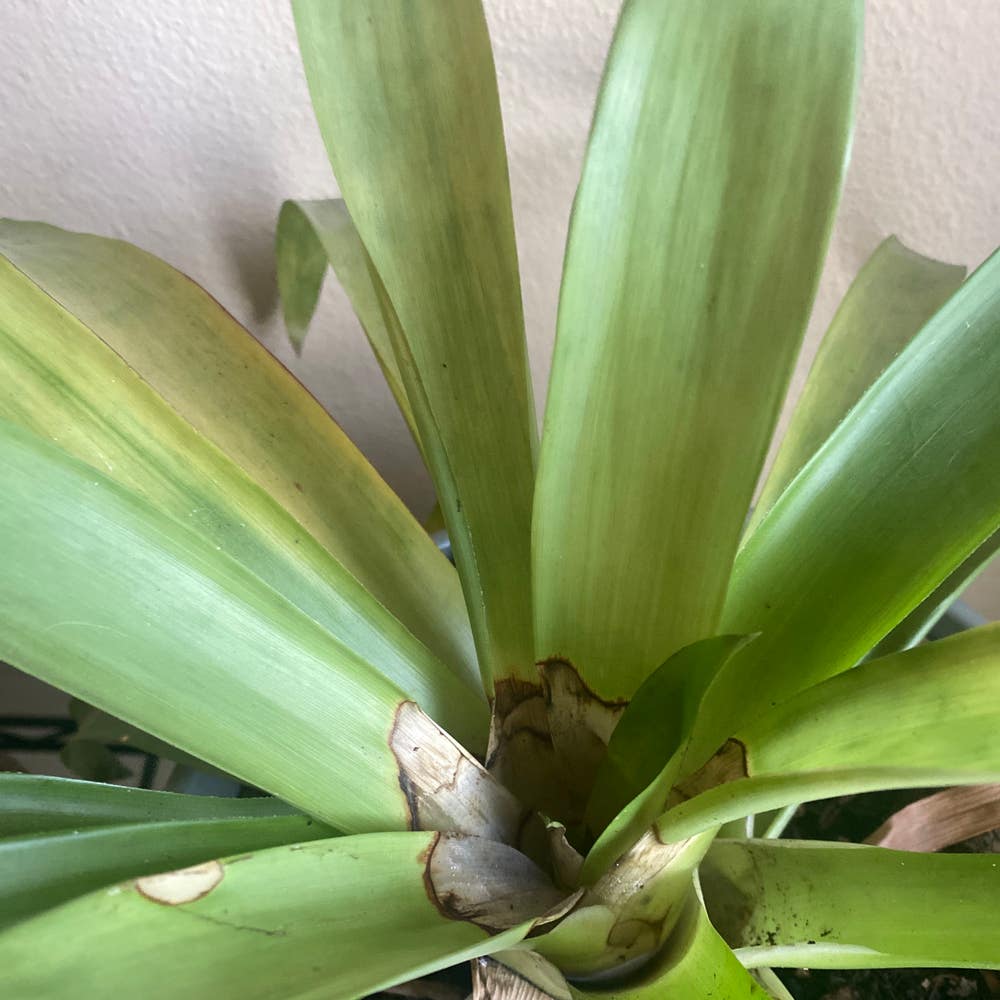
Neoregelia showcases a stunning rosette growth form, with its leaves arranged in a captivating circular pattern. This slow growth rate makes it a manageable choice for garden settings, allowing gardeners to enjoy its beauty without overwhelming maintenance.
Ideal conditions for Neoregelia include humid environments with indirect sunlight. These factors contribute to its vibrant appearance and overall health, making it a favorite among tropical garden enthusiasts.
Natural Limits to Growth and Spread Potential 🚧
Neoregelia's growth is naturally constrained by environmental factors such as temperature, humidity, and light availability. These limitations ensure that it remains a controlled presence in gardens, rather than an invasive threat.
Additionally, Neoregelia does not develop extensive root systems, which further restricts its spread. While various Neoregelia varieties may exhibit unique growth habits, they all share these fundamental growth limitations, making them suitable for diverse garden designs.
As you consider incorporating Neoregelia into your garden, remember its manageable growth and unique characteristics. This sets the stage for exploring its ecological role and benefits in the next section.
Ecological Role
Benefits in Ecosystems 🌍
Neoregelia plays a vital role in enhancing biodiversity. It provides essential habitat and food sources for local wildlife, including birds and insects.
Its unique structure allows it to collect water, creating microhabitats that support various organisms. This water retention is crucial, especially in tropical environments where moisture is key to survival.
Positive Interactions with Local Wildlife 🐝
One of the standout features of Neoregelia is its ability to attract pollinators like bees and butterflies. This not only boosts garden health but also contributes to the overall ecosystem.
Additionally, Neoregelia offers shelter for small creatures, promoting a balanced ecosystem. By incorporating this plant into your garden, you’re not just beautifying your space; you’re fostering a thriving environment for wildlife.
Incorporating Neoregelia into your gardening practices can lead to a more vibrant and diverse ecosystem, setting the stage for the next section on garden management.
Garden Management
Incorporating Neoregelia into Garden Designs 🌿
Neoregelia thrives in shaded areas, making it a perfect choice for tropical gardens. Consider using it as ground cover to create a lush, vibrant underlayer.
Grouping Neoregelia in clusters not only enhances visual interest but also helps maintain humidity levels. This can create a microenvironment that benefits both the plants and surrounding wildlife.
Controlling Growth for Aesthetic Purposes ✂️
To keep your Neoregelia looking its best, regular pruning is essential. Remove dead leaves to maintain a tidy appearance and promote overall plant health.
Spacing is crucial as well; ensure adequate distance between plants to prevent overcrowding. This allows each plant to flourish without competing for resources, resulting in a more stunning garden display.
Incorporating these practices will not only enhance the beauty of your garden but also support the health of your Neoregelia. Next, let’s explore how Neoregelia interacts with local wildlife and contributes to the ecosystem.
Comparison to Other Plants
🌱 Similar Non-Invasive Plants
Neoregelia stands out among bromeliads and tropical plants, but it shares the non-invasive trait with others like Guzmania and Aechmea. These plants not only boast vibrant colors but also unique shapes that can enhance any garden.
🌟 Unique Qualities
What truly sets Neoregelia apart is its distinctive rosette shape and striking coloration. Its ability to thrive as an epiphyte offers versatile planting options, making it a fantastic choice for diverse garden designs.
Incorporating Neoregelia alongside similar non-invasive plants can create a stunning visual display while maintaining ecological balance. This makes it an excellent addition to any garden, promoting both beauty and biodiversity.
As we explore the next section, consider how Neoregelia can fit into sustainable gardening practices, enhancing not just aesthetics but also the health of local ecosystems.
Legal and Environmental Considerations
Relevant Classifications and Guidelines 🌱
When considering Neoregelia for your garden, it's essential to be aware of local regulations. Some regions may have specific guidelines regarding the planting and cultivation of certain species, including Neoregelia.
Sourcing plants from reputable nurseries is crucial. This practice helps prevent the introduction of non-native species that could disrupt local ecosystems. Always check for certifications or labels that indicate the plants are grown sustainably.
Neoregelia in Sustainable Gardening Practices 🌍
Neoregelia plays a vital role in promoting biodiversity. By providing habitat and food for local wildlife, it supports a balanced ecosystem.
Incorporating Neoregelia into sustainable landscape designs not only enhances aesthetics but also contributes to ecological health. Gardeners can create vibrant, inviting spaces that benefit both plants and animals, making every garden a little greener.
As you plan your garden, consider how Neoregelia can fit into your vision. Its unique qualities can elevate your outdoor space while fostering a thriving environment for local wildlife.
⚠️ Safety First
This content is for general information and may contain errors, omissions, or outdated details. It is not medical, veterinary advice, or an endorsement of therapeutic claims.
Always consult a qualified healthcare professional before using any plant as food, medicine, or supplement.
Never eat any plant (or feed one to pets) without confirming its identity with at least two trusted sources.
If you suspect poisoning, call Poison Control (800) 222-1222, the Pet Poison Helpline (800) 213-6680, or your local emergency service immediately.
Spotted an error? Please report it here.
Transform your garden with the stunning Neoregelia 🌿, a non-invasive beauty that thrives with minimal care—let Greg provide tailored tips to ensure your plant flourishes in its perfect environment!