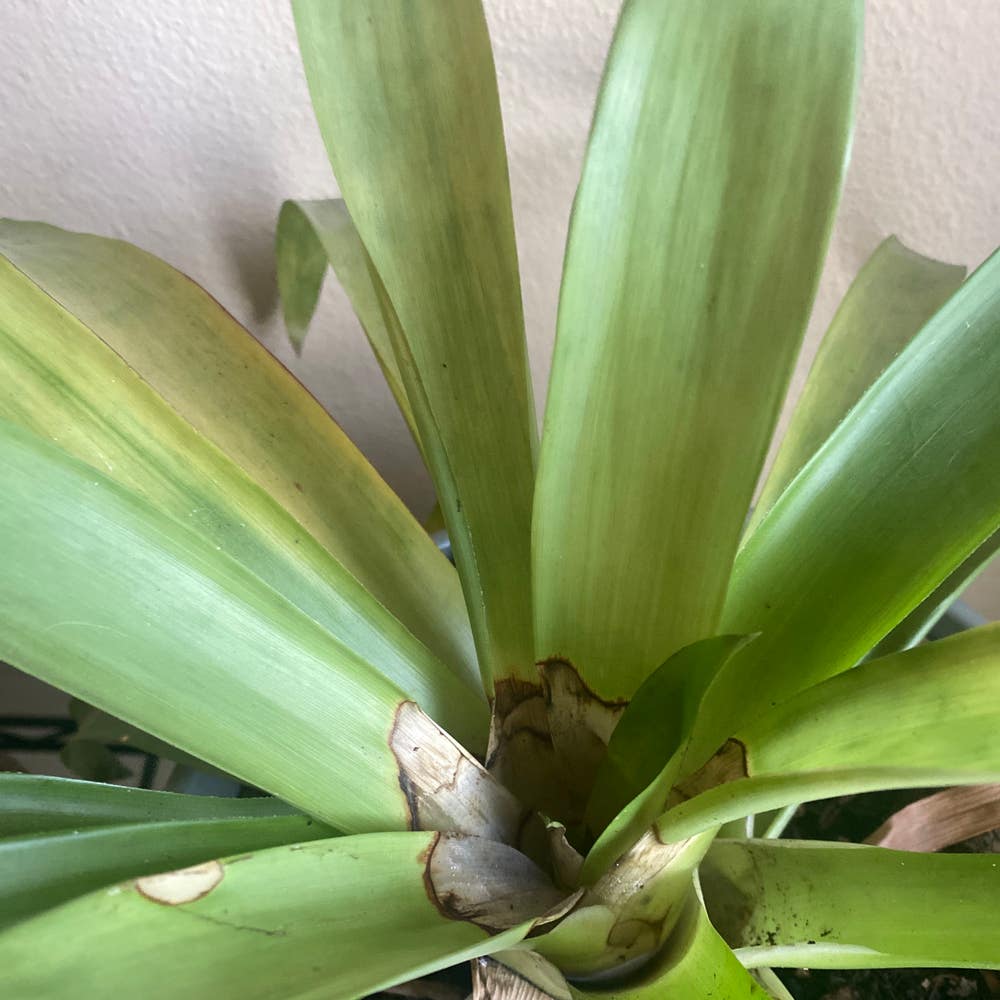
How to Know When to Repot a Neoregelia chlorosticta?
Neoregelia chlorosticta
By the Greg Editorial Team
Mar 23, 2024•3 min read
This article was created with the help of AI so we can cover more plants for you. May contain errors. See one? Report it here.
Spot and act on the key signs 🌱 that your Neoregelia chlorosticta is craving a new pot for continued lush growth! 🌺
- Roots peeking out? Time to repot your Neoregelia chlorosticta.
- 🌱 Slowed growth and dry soil signal a need for a larger pot.
- 🏺 Choose terracotta for breathability or plastic for moisture retention. Avoid glass and metal.
Spotting the Telltale Signs of Repotting Time
🌱 Root Revelations
When your Neoregelia chlorosticta's roots start escaping through the drainage holes, it's not plotting a great escape—it's cramped. This root-bound reality is a non-verbal SOS: your plant needs a new pot, stat.
🌿 Above the Soil
Slowed growth and foliage that's lost its pep aren't just a plant's version of a bad hair day; they're distress signals. If your Neoregelia chlorosticta's leaves could talk, they'd be asking for a bigger place to call home.
💧 Water Woes
If you find yourself watering more often because the soil dries out faster than a desert, take note. It's not your plant being thirsty; it's a sign that the roots have taken over, leaving little room for soil and moisture.
Choosing the Perfect Pot
🏺 Terracotta Triumphs
Terracotta pots are the MVPs of moisture management, letting soil breathe and preventing waterlogged roots. Their porous nature wicks away excess moisture, making them a top pick for your Neoregelia chlorosticta, which isn't too fond of soggy feet.
🥤 Plastic's Practicality
Plastic pots shine for their lightweight convenience and cost-effectiveness. They retain moisture longer, which can be a plus if you're the forgetful type who occasionally misses a watering. Just ensure they have adequate drainage to avoid creating a mini swamp for your plant.
Materials to Avoid
Glass and metal pots might look chic, but they're a no-go for your Neoregelia chlorosticta. They often lack proper drainage and can turn into terrariums of doom for your plant's roots. Stick to materials that promote good air flow and moisture control.
The Repotting Ritual
🌱 Gentle Extraction
To safely coax your Neoregelia chlorosticta from its pot, think precision over force. If the plant resists, a firm tap on the pot's edges might just do the trick. Once it's out, treat the roots like a priceless artifact—handle with utmost care.
🩺 Root Health Check
Now, it's time to play plant doctor. Inspect the roots for any signs of distress; firm and white is good, black or mushy is a no-go. Prune the bad, save the good, and don't be shy to make a few strategic cuts to promote new growth.
🏡 Settling into the New Abode
When positioning your plant in its new pot, aim for the Goldilocks zone—not too deep, not too shallow. Choose a well-draining, nutrient-rich potting mix for your plant's new plush pad. Firm the soil gently around the roots to eliminate air pockets, but let it breathe—no soil compaction, please.
Aftercare: The First Weeks Post-Repotting
💦 Watering Wisdom
After the repotting hustle, your Neoregelia chlorosticta isn't ready for a hydration party. Ease into watering; start with a generous drink a week after the repot and then let the soil approach dryness before the next round. This isn't the time to drench the soil—think of it as a cautious re-introduction to moisture.
👀 Spotting Stress Signals
Your plant's leaves will spill the tea on how it's coping. Yellowing or drooping? It's waving a flag for attention. Adjust care as needed, but don't smother it with love. Sometimes, less is more when it comes to post-repot pampering. Keep the plant in a familiar spot with similar lighting to avoid adding insult to injury.
⚠️ Safety First
This content is for general information and may contain errors, omissions, or outdated details. It is not medical, veterinary advice, or an endorsement of therapeutic claims.
Always consult a qualified healthcare professional before using any plant as food, medicine, or supplement.
Never eat any plant (or feed one to pets) without confirming its identity with at least two trusted sources.
If you suspect poisoning, call Poison Control (800) 222-1222, the Pet Poison Helpline (800) 213-6680, or your local emergency service immediately.
Spotted an error? Please report it here.
Ensure your Neoregelia chlorosticta thrives in its new home by using Greg to get custom reminders 📅 and pot size recommendations based on the growth signs you've learned.