Top 3 Companions for a Healthy Neoregelia Garden 🦋
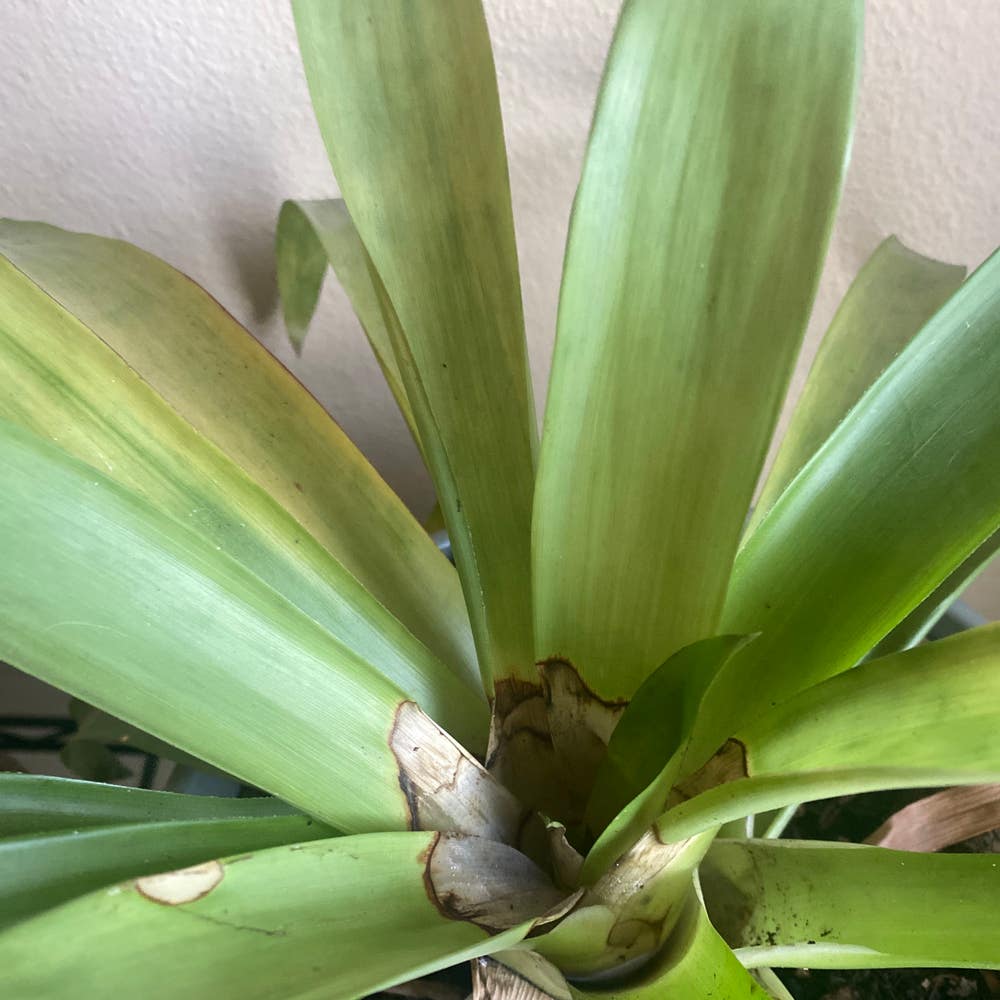
Neoregelia chlorosticta
By the Greg Editorial Team
Sep 29, 2024•4 min read
This article was created with the help of AI so we can cover more plants for you. May contain errors. See one? Report it here.
Elevate your Neoregelia garden's beauty and health with perfect companion plants! 🌿✨
- 🌿 Ferns, Caladiums, and Impatiens are perfect companions for a thriving Neoregelia garden.
- 🐞 Companion plants naturally deter pests, enhancing the health of your Neoregelia.
- 🎨 Layering plants adds depth and visual interest, creating a stunning garden focal point.
Top Companion Plants for Neoregelia
🌿 Ferns
Ferns are the perfect companions for Neoregelia, showcasing lush, shade-loving foliage that beautifully complements the vibrant colors of these bromeliads. They thrive in similar humidity and indirect sunlight conditions, making them easy to care for alongside Neoregelia.
These plants provide excellent ground cover, helping to retain moisture and reduce weed growth. Additionally, ferns act as natural pest repellents, effectively deterring common nuisances like mealybugs.
🌈 Caladium
Caladiums bring a tropical flair to your garden with their large, colorful leaves that add striking visual interest. They prefer similar soil conditions and humidity levels as Neoregelia, ensuring a harmonious growing environment.
Not only do they enhance the garden's aesthetics with their contrasting colors and textures, but their strong scent can also help deter pests, making them a practical choice for your Neoregelia garden.
🌸 Impatiens
Impatiens are another fantastic option, featuring brightly colored flowers that thrive in shady areas. They require similar watering and light conditions as Neoregelia, making them easy to integrate into your garden.
These vibrant blooms attract pollinators, adding life to your garden while providing a stunning color palette. Moreover, they help mask the presence of pests that may target Neoregelia, contributing to a healthier garden ecosystem.
Incorporating these companion plants not only enhances the visual appeal of your Neoregelia garden but also promotes a balanced ecosystem. Next, we'll explore how these plants can assist in effective pest management.
Pest Management
🌱 How Companion Plants Help with Pest Management
Companion plants serve as natural deterrents, effectively repelling harmful insects that threaten your Neoregelia garden. By strategically selecting these plants, you can create a balanced ecosystem that attracts beneficial insects, enhancing the overall health of your garden.
🐞 Specific Pests that Affect Neoregelia
One of the most common pests affecting Neoregelia is the mealybug. These pests can be a nuisance, but the right companion plants can help keep them at bay.
Ferns
Ferns thrive in similar conditions as Neoregelia, providing lush ground cover. Their dense foliage not only retains moisture but also creates a habitat that discourages mealybugs.
Caladium
Caladiums, with their vibrant leaves, add beauty while also acting as a pest deterrent. Their strong scent can repel unwanted insects, making them a valuable addition to your garden.
Impatiens
Brightly colored Impatiens attract pollinators and add a splash of color. They also help mask the presence of pests, making it harder for them to target your Neoregelia.
Incorporating these companion plants not only enhances your garden's aesthetic but also fortifies it against pests. By understanding how each plant contributes to pest management, you can cultivate a thriving Neoregelia garden that flourishes in harmony.
As we explore the visual appeal of a Neoregelia garden, consider how these companion plants can elevate both beauty and functionality.
Visual Appeal in a Neoregelia Garden
🌿 How Companion Plants Enhance Aesthetic
Companion plants play a crucial role in elevating the visual appeal of a Neoregelia garden. By combining various colors and textures, you create a vibrant tapestry that draws the eye and enhances the overall design.
Layering plants adds depth, making your garden feel more dynamic. This technique not only showcases the unique features of Neoregelia but also creates a lush environment that feels alive.
🎨 Color and Texture Combinations
When pairing plants with Neoregelia, consider varieties like 'Fireball' and 'Hannibal Lector'. The fiery reds and greens of 'Fireball' contrast beautifully with the bold patterns of Caladium leaves.
To maximize visual impact, arrange plants in clusters rather than single rows. This grouping technique allows for a more natural look and emphasizes the unique characteristics of each plant, creating a stunning focal point in your garden.
Incorporating these elements will not only enhance aesthetics but also foster a thriving ecosystem. As you design your garden, think about how each plant complements the others, creating a harmonious and inviting space.
Plants to Avoid
🚫 List of Plants to Avoid with Neoregelia
When planning your Neoregelia garden, it's crucial to know which plants to steer clear of. Avoid species like ferns, caladiums, and impatiens as they can compete for nutrients or attract unwanted pests.
❌ Reasons for Avoidance
⚔️ Competition for Nutrients
Some plants can outcompete Neoregelia for essential nutrients. This competition can stunt the growth of your bromeliads, leading to a less vibrant garden.
🐞 Pest Attraction
Certain plants may draw in pests that are harmful to Neoregelia. For instance, plants like petunias and zinnias can attract aphids and other pests, creating a challenging environment for your beloved bromeliads.
By being mindful of these plants, you can create a thriving Neoregelia garden that flourishes without the threat of competition or pests. Next, let’s explore how companion plants can enhance pest management in your garden.
⚠️ Safety First
This content is for general information and may contain errors, omissions, or outdated details. It is not medical, veterinary advice, or an endorsement of therapeutic claims.
Always consult a qualified healthcare professional before using any plant as food, medicine, or supplement.
Never eat any plant (or feed one to pets) without confirming its identity with at least two trusted sources.
If you suspect poisoning, call Poison Control (800) 222-1222, the Pet Poison Helpline (800) 213-6680, or your local emergency service immediately.
Spotted an error? Please report it here.
Elevate your Neoregelia garden with perfect companions 🌿—let Greg guide you with tailored care tips and pest alerts for a flourishing, vibrant space!