How Much Should I Water My Neoregelia chlorosticta?
Neoregelia chlorosticta
By the Greg Editorial Team
Mar 23, 2024•3 min read
This article was created with the help of AI so we can cover more plants for you. May contain errors. See one? Report it here.
Discover the secret to a lush Neoregelia chlorosticta 🌿 by nailing the watering sweet spot! 🚰
- Curling leaves need water; yellow leaves mean too much. Adjust accordingly.
- Seasons change, so does watering: more in summer, less in winter.
- Choose well-draining mix and pot to prevent root rot and overwatering.
When to Water: Reading Your Plant's Thirst Signals
🌱 Spotting Thirsty Leaves
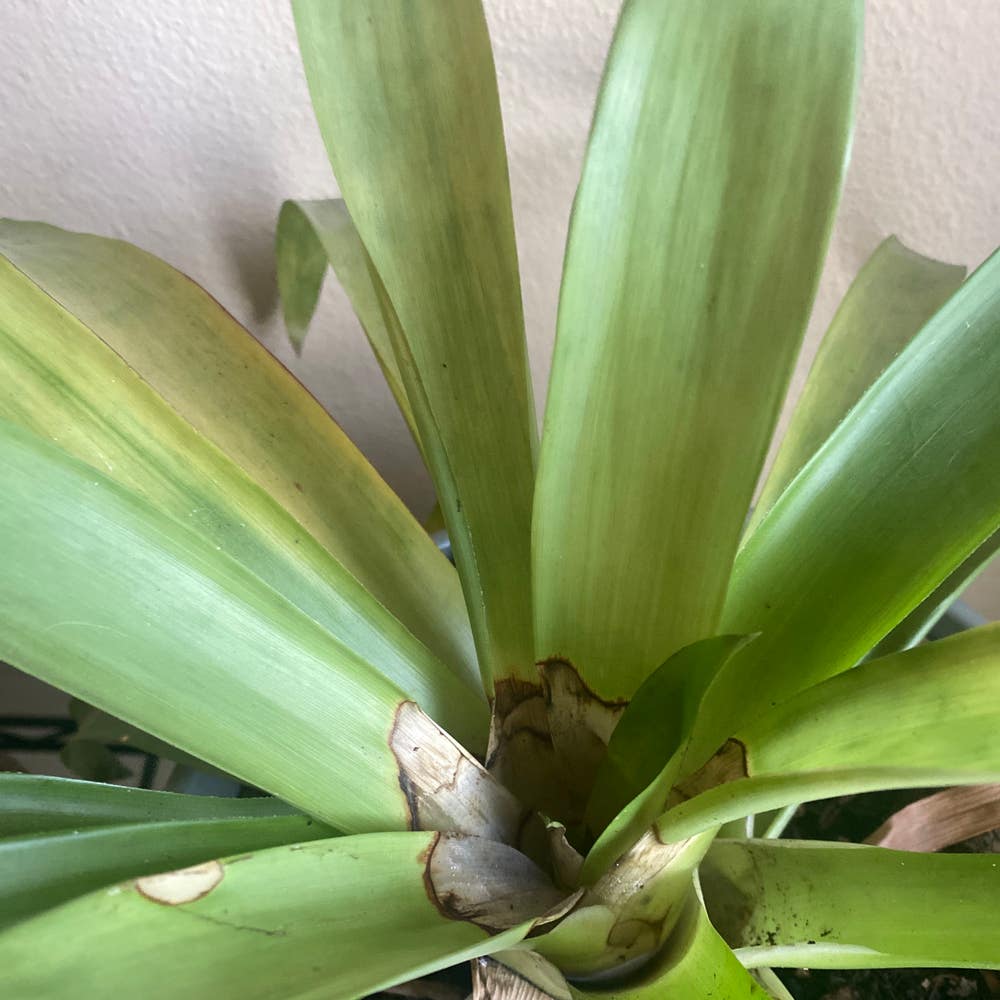
Curling and browning leaves are your Neoregelia chlorosticta's way of whispering for help. It's a clear sign that your plant's water reserves are running on empty. A quick check of the soil's dryness can confirm this SOS call.
🚱 Too Much of a Good Thing
Conversely, yellowing leaves and a soggy soil feel are the plant's way of saying it's drowning in excess water. Root rot is the nightmare scenario here, with roots turning into a mushy disaster. If the pot feels heavier than your conscience after skipping the gym, it's time to ease up on the watering.
How to Water: Techniques for Happy Roots
💧 The Right Amount
Maintaining consistent moisture levels is crucial for the health of your Neoregelia chlorosticta. Overwatering can lead to a host of issues, while underwatering can stress the plant. Aim to keep the soil moist, but not soggy. A good practice is to water until it begins to drain from the bottom, then wait until the top inch of soil feels dry before watering again.
💦 The Right Way
When watering, focus on the soil, not the leaves. Directing water at the base of the plant ensures that the roots receive the hydration they need without risking leaf rot. Use a watering can with a long spout to avoid splashing the foliage and to reach the soil directly. If the pot feels heavy, hold off on watering – it's an indication that there's still plenty of moisture. Rotate the pot periodically to promote even root growth and avoid water pooling in one area.
What to Watch: Environmental Factors Affecting Water Needs
🌦️ Seasonal Shifts
Adjusting watering frequency is crucial as seasons change.
- Summer heat often necessitates more frequent watering.
- Winter brings a need for restraint due to lower evaporation rates.
🌞 Light and Heat
Light and heat are the dynamic duo affecting your Neoregelia chlorosticta's thirst.
- Bright, indirect light accelerates water uptake, leading to more frequent watering.
- Cooler, shaded conditions slow down water consumption, reducing the need for water.
🕵️ Environmental Checks
Your home's microclimate is a hidden influencer on watering schedules.
- A plant near a heater may need more water than one in a cool, shaded corner.
- Adjust watering based on the plant's response, like drooping leaves signaling thirst.
💧 Ideal Watering Frequency
Stay vigilant and adapt; your plant's water needs can be as fickle as the weather.
- Hot, sunny rooms make for thirstier plants.
- Cooler spots mean you can ease up on the hydration hype.
Remember, use room temperature water to avoid shocking the plant's roots. In winter, water in the morning to allow excess moisture to evaporate before the cooler night.
Watering Wisdom: Pro Tips for Neoregelia Chlorosticta Care
💧 The Perfect Potting Mix
Choosing the right potting mix for your Neoregelia chlorosticta is like picking a mattress for a good night's sleep—it's essential. You want a well-draining mix that prevents water retention issues. Combine peat moss, perlite, and orchid bark to create a habitat that allows your plant's roots to breathe and avoid dreaded root rot. Remember, a happy plant is a well-drained plant.
🌿 Container Considerations
When it comes to containers, size and drainage are the power couple. Select a pot that's wide, not deep, to accommodate the shallow root system of your Neoregelia chlorosticta. Ensure it has drainage holes; these are non-negotiable. Overpotting is a no-go—it's like wearing shoes too big, you'll trip up, or in this case, drown your plant's roots. Keep it cozy but not cramped, and your Neoregelia will thank you by flourishing.
⚠️ Safety First
This content is for general information and may contain errors, omissions, or outdated details. It is not medical, veterinary advice, or an endorsement of therapeutic claims.
Always consult a qualified healthcare professional before using any plant as food, medicine, or supplement.
Never eat any plant (or feed one to pets) without confirming its identity with at least two trusted sources.
If you suspect poisoning, call Poison Control (800) 222-1222, the Pet Poison Helpline (800) 213-6680, or your local emergency service immediately.
Spotted an error? Please report it here.
Let Greg's custom care plans guide your watering 🌿 for Neoregelia chlorosticta, adapting to seasons and home environments, so you never over or under-water again.