❄️ 3 Winter Care Mistakes to Avoid with Neoregelia
Neoregelia chlorosticta
By the Greg Editorial Team
Sep 29, 2024•4 min read
This article was created with the help of AI so we can cover more plants for you. May contain errors. See one? Report it here.
Keep your Neoregelia thriving this winter by avoiding these common care mistakes! 🌱❄️
- ❄️ Protect Neoregelia from frost using cloths or blankets during cold snaps.
- 💧 Water every 2-3 weeks in winter to prevent root rot and stress.
- 🌞 Ensure bright, indirect light to avoid leaf scorching during winter months.
Winter Care Mistakes to Avoid
Mistake 1: Neglecting Frost Protection ❄️
Frost can be a silent killer for Neoregelia. These plants are particularly sensitive, and exposure can lead to severe leaf damage or even death.
To protect your Neoregelia from frost, consider covering them with frost cloth or blankets. If you have potted plants, bring them indoors during cold snaps to ensure their safety.
Mistake 2: Incorrect Watering Schedule 💧
Many people mistakenly overwater their Neoregelia in winter due to reduced evaporation rates. This can lead to soggy soil and root rot.
Adjust your watering practices by reducing frequency to once every 2-3 weeks. Always check the soil moisture before watering to avoid unnecessary stress on the plant.
Mistake 3: Over-fertilizing During Winter 🚫
Fertilizing Neoregelia in winter can do more harm than good. Excess nutrients can cause root burn and overall plant stress.
It's best to avoid fertilization during the plant's dormancy. If you notice growth resuming in late winter, use a diluted fertilizer sparingly to support your plant's needs.
By steering clear of these common mistakes, you can help your Neoregelia thrive through the winter months. Next, let’s explore how to adjust your care routine for winter conditions.
Adjusting Care for Winter
🌊 Modifying Watering Practices for Winter
Adjusting your watering schedule is crucial for Neoregelia during winter.
- Assess soil moisture levels regularly. This helps you understand when your plant truly needs water.
- Water only when the top inch of soil feels dry. This prevents overwatering, which is common in winter.
- Use room temperature water to avoid shocking the plant. Cold water can stress your Neoregelia, so keep it cozy.
🥦 Fertilizing Schedule Adjustments for Winter Months
Fertilizing practices also need to change in winter.
- Use a balanced, diluted fertilizer only if necessary. Neoregelia typically goes dormant, so it doesn’t require much feeding.
- Resume regular fertilization in early spring. This prepares your plant for the growing season ahead.
🏡 Indoor Care Tips for Neoregelia
Creating the right indoor environment is key for winter care.
- Maintain humidity levels around 50-60%. This keeps your Neoregelia happy and healthy.
- Provide adequate light: Aim for bright, indirect sunlight. Too much direct light can scorch the leaves.
When placing your Neoregelia indoors, avoid drafts and direct heat sources. These can create an unstable environment that stresses your plant.
With these adjustments, your Neoregelia will thrive through winter, setting the stage for a vibrant spring. Next, let’s explore how to recognize signs of winter damage and what steps to take for recovery.
Spring Preparation and Recovery
🌨️ Signs of Winter Damage in Neoregelia
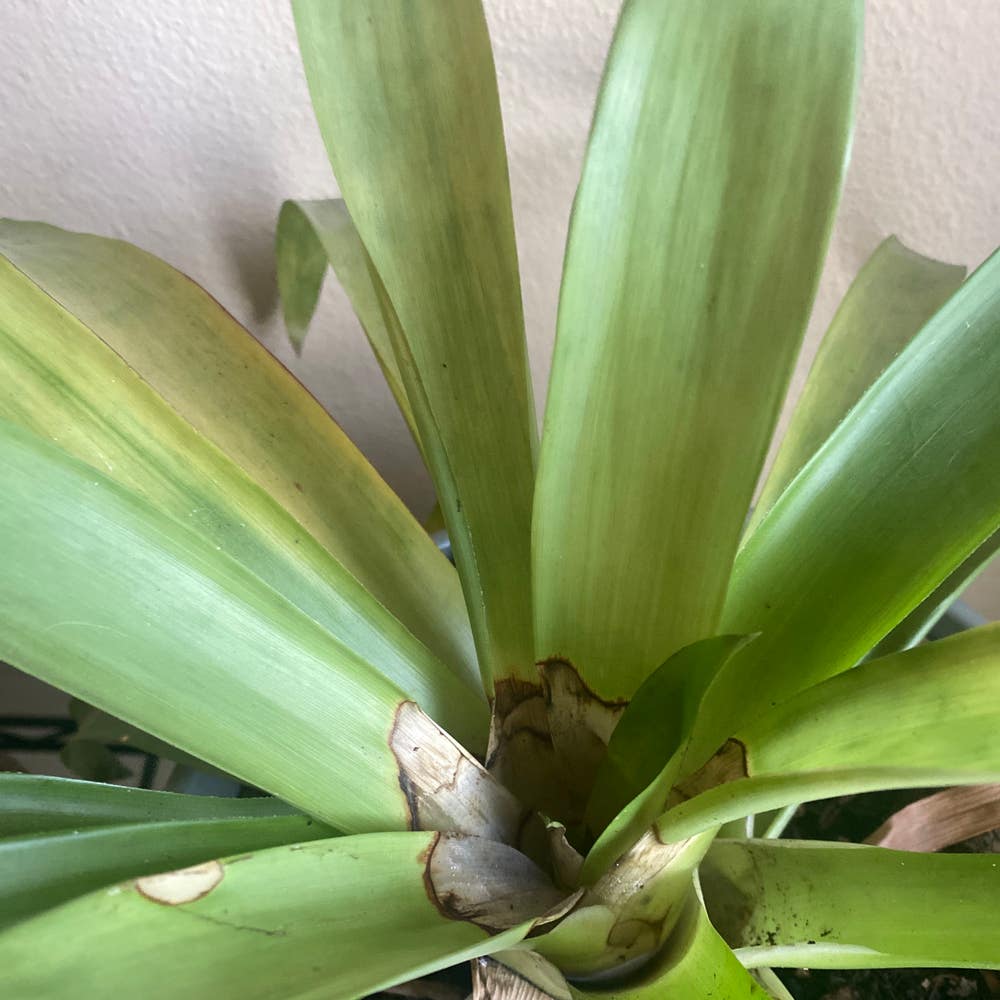
As winter fades, keep an eye out for signs of stress in your Neoregelia. Common indicators include browning or wilting leaves, which signal that your plant may have suffered during the colder months.
Another telltale sign is soft or mushy leaf bases. This can indicate root issues or prolonged exposure to unfavorable conditions.
🛠️ Steps for Recovery from Winter Stress
To help your Neoregelia bounce back, start by trimming any damaged leaves. This encourages new growth and helps the plant focus its energy where it’s needed most.
Next, adjust your watering and light conditions. Ensure your plant receives adequate light and water only when necessary to support its recovery.
Lastly, monitor for pests that may take advantage of weakened plants. Keeping a close watch can prevent further damage and promote a healthier recovery.
🌱 Preparing Neoregelia for Spring Growth
As temperatures rise, it's time to prepare your Neoregelia for the growing season. Gradually increase your watering frequency to match the plant's needs as it starts to wake up.
Additionally, resume regular fertilization as the weather warms. This will provide the nutrients necessary for robust growth and vibrant foliage.
With these steps, your Neoregelia will be well on its way to thriving in the spring. Transitioning into the growing season is crucial for ensuring your plant remains healthy and vibrant.
Environmental Considerations
Ideal Indoor Conditions for Wintering Neoregelia 🌡️
Creating the right indoor environment is crucial for your Neoregelia during winter. Aim for a temperature range of 15°C to 25°C (59°F to 77°F) to keep your plant thriving.
Humidity is equally important. Maintain humidity levels around 50-60% by using misting or pebble trays. This helps prevent leaf curling and promotes overall health.
Outdoor Placement and Protection Strategies 🏡
If you have outdoor Neoregelia, placement is key during the winter months. Choose sheltered locations that protect your plants from harsh winds.
Additionally, consider using mulch or protective coverings for ground-planted Neoregelia. This extra layer can help insulate the roots and keep them safe from freezing temperatures.
By ensuring optimal indoor conditions and strategic outdoor placement, you can significantly enhance your Neoregelia's chances of thriving through winter. Next, let’s explore how to adjust your care practices as the seasons change.
⚠️ Safety First
This content is for general information and may contain errors, omissions, or outdated details. It is not medical, veterinary advice, or an endorsement of therapeutic claims.
Always consult a qualified healthcare professional before using any plant as food, medicine, or supplement.
Never eat any plant (or feed one to pets) without confirming its identity with at least two trusted sources.
If you suspect poisoning, call Poison Control (800) 222-1222, the Pet Poison Helpline (800) 213-6680, or your local emergency service immediately.
Spotted an error? Please report it here.
Keep your Neoregelia thriving this winter ❄️ by using Greg's tailored reminders for frost protection, watering adjustments, and humidity maintenance! 🌱