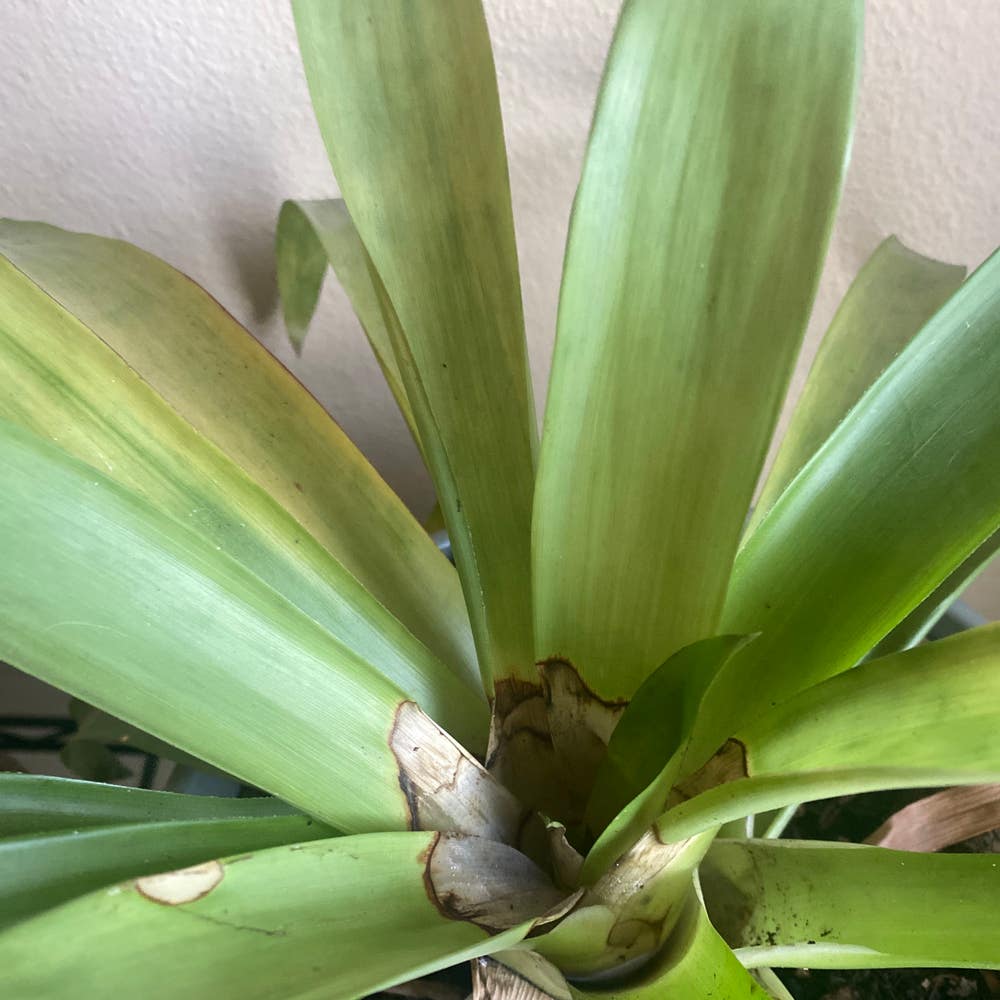
Why Are My Neoregelia chlorosticta Leaves Droopy?
Neoregelia chlorosticta
By the Greg Editorial Team
Mar 23, 2024•4 min read
This article was created with the help of AI so we can cover more plants for you. May contain errors. See one? Report it here.
Say goodbye to droopy Neoregelia leaves 🍂 by uncovering and tackling their hidden distress signals!
- Over/underwatering, pests, diseases, light - all can cause Neoregelia leaves to droop.
- 🌞💧 Bright, indirect light and 65-75°F keep Neoregelia leaves perky.
- Consistent care routine prevents droopiness and promotes robust growth.
Spotting the Signs: When Your Neoregelia Goes Limp
🌿 Identifying Droopy Leaves
Visual cues of droopiness in Neoregelia chlorosticta are unmistakable. Leaves that once stood proud may now hang as if in defeat. This is not the plant's natural posture; a healthy Neoregelia boasts leaves that are firm and upright.
🕵️ Quick Checks for Immediate Concerns
To tackle droopiness, assess the soil moisture first. Is it parched or waterlogged? Both extremes can lead to a limp Neoregelia. Next, inspect the root health. Are they white and firm, or brown and mushy? Healthy roots are essential for a perky plant.
Check for pests or diseases that could be causing stress. Look under leaves and along stems for uninvited guests. Common culprits include scale insects and mealybugs. Also, be on the lookout for leaf spots or signs of bacterial soft rot, especially in overly moist conditions.
Thirsty or Drowning? Balancing Water Needs
💧 The Perils of Overwatering
Overwatering is a common misstep that can leave your Neoregelia chlorosticta with droopy leaves. The plant's leaves may become soft and its color can fade, signaling distress. To rescue an overwatered Neoregelia, first allow the soil to dry out by withholding water. Check the pot for adequate drainage and consider repotting with a well-draining soil mix if necessary.
🏜️ The Woes of Underwatering
Conversely, underwatering can lead to a Neoregelia that's just as limp. Leaves may curl inward and feel crispy to the touch. To hydrate your plant, water deeply until excess drains out, ensuring the roots get a good drink. Then, establish a consistent watering routine, adjusting for seasonal changes in the plant's environment.
Light and Temperature: Finding the Sweet Spot
🌞 Too Much Sun or Not Enough?
Bright, indirect sunlight is the Goldilocks zone for Neoregelia chlorosticta. Direct sun can lead to a sunburned, crispy plant, while too little light can cause leaves to droop in despair. To prevent this sad spectacle, place your plant where it can bask in the glow without getting scorched.
Rotate your Neoregelia regularly to ensure all sides get their time in the limelight. This promotes even growth and prevents the one-sided "lean" that happens when it's reaching for the sun. If your plant's leaves start to look like they've had a rough night, it might be time to adjust its position.
❄️ Keeping the Chill at Bay
Neoregelia chlorosticta likes it cozy. Aim to keep the temperature between 65°F and 75°F during the day, with a slight dip at night. Avoid placing your plant in drafty areas or near cold windows, as these can cause leaves to droop like they've just heard bad news.
Consistent temperatures are key. Sudden changes in temperature can shock your plant, leaving it as unhappy as a cat in a bathtub. Keep an eye on the thermostat, and remember that your plant isn't seeking a thrill ride of temperature fluctuations—it craves stability.
Feeding Your Neoregelia: A Balanced Diet for Sturdy Leaves
💡 Spotting Nutrient Deficiencies
Droopy leaves on your Neoregelia chlorosticta might be crying out for nutrients. Look for signs like pale coloration or stunted growth—these are your plant's way of saying it's on a hunger strike. Nitrogen shortages, in particular, can leave your plant looking more sluggish than a Monday morning.
🍽️ Tailoring Your Fertilization Approach
When it comes to fertilizer, think of it as a multivitamin for your Neoregelia. A balanced blend of nitrogen, phosphorus, and potassium is the ticket to perky leaves. Micronutrients? Don't ignore them; they're the secret sauce for vibrant growth.
Fertilize every 4-5 weeks with a diluted liquid fertilizer, but keep it light—overfeeding is the fast track to leaf burn and root rot. It's a bit like overindulging at a buffet; moderation is key. Watch your plant's response like a hawk; it'll tell you if you need to dial back or step up your game.
Building Resilience: Long-Term Strategies for Upright Leaves
🌱 Consistency is Key
Routine care is the backbone of a Neoregelia chlorosticta's health. Establishing a care schedule is like setting an alarm—it's non-negotiable. Pruning isn't just about aesthetics; it's a strategic move to encourage robust growth and prevent future droops.
🕵️ Monitoring and Adjusting
Regular check-ups are crucial. Inspect the soil and roots to catch any issues early. Be your plant's personal doctor—proactive care is the secret to those upright leaves. Adjust your watering with the seasons—plants get thirstier in summer. Keep an eye out for pests and evict them promptly.
⚠️ Safety First
This content is for general information and may contain errors, omissions, or outdated details. It is not medical, veterinary advice, or an endorsement of therapeutic claims.
Always consult a qualified healthcare professional before using any plant as food, medicine, or supplement.
Never eat any plant (or feed one to pets) without confirming its identity with at least two trusted sources.
If you suspect poisoning, call Poison Control (800) 222-1222, the Pet Poison Helpline (800) 213-6680, or your local emergency service immediately.
Spotted an error? Please report it here.
Turn those droopy leaves into vibrant vitality 🍃 with Greg's custom watering plans and community insights, ensuring your Neoregelia chlorosticta thrives.