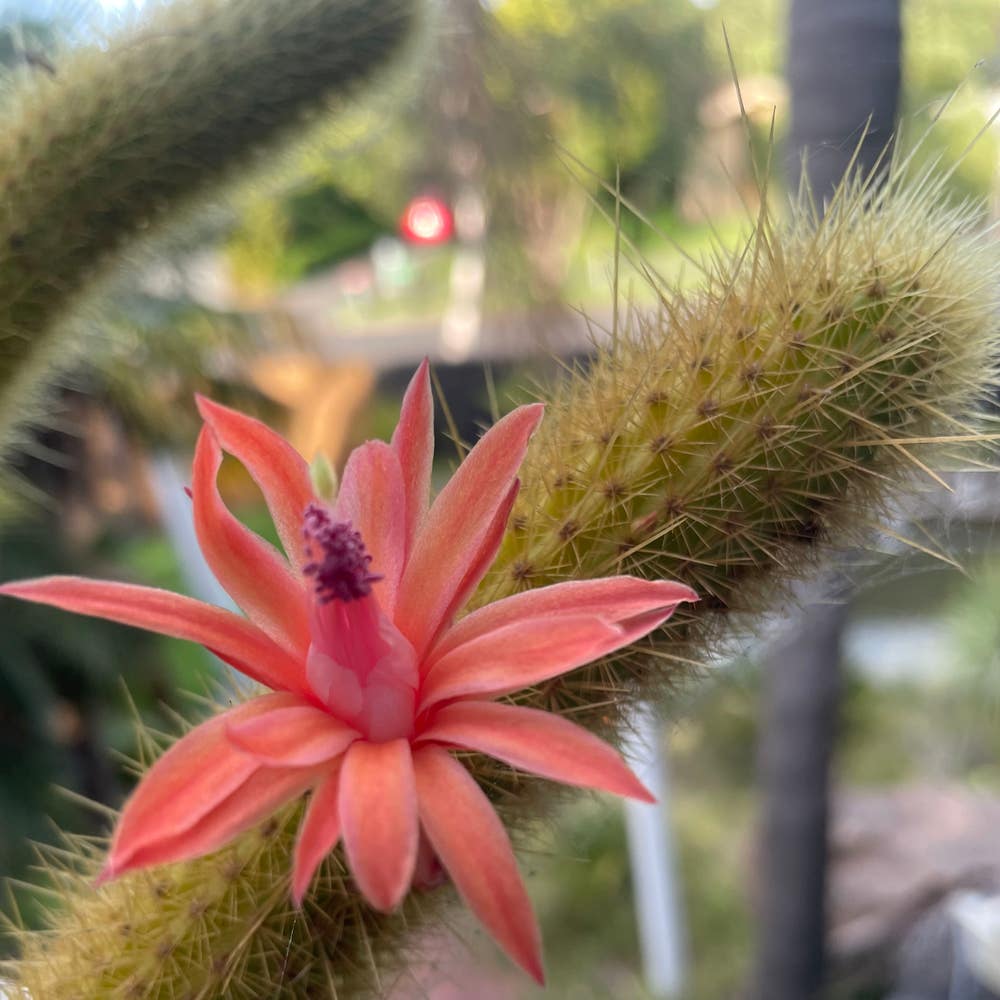
Best Spots to Plant Your Golden Rat Tail 🐀
Cleistocactus winteri
By the Greg Editorial Team
Sep 30, 2024•5 min read
This article was created with the help of AI so we can cover more plants for you. May contain errors. See one? Report it here.
Create a vibrant garden oasis 🌼 by mastering the ideal conditions for your Golden Rat Tail plant!
- ☀️ Golden Rat Tail needs 6-8 hours of sunlight daily for optimal growth.
- 🌱 Well-draining soil with pH 6.0-7.0 is essential for thriving plants.
- 🌬️ Wind protection is crucial; use natural barriers like hedges for shielding.
Ideal Planting Locations
🌞 Sunlight Exposure Requirements
Golden Rat Tail thrives in full sun, needing 6-8 hours of direct sunlight daily. While it can tolerate partial shade, with 3-4 hours of indirect sunlight, optimal light conditions lead to enhanced flowering and vigorous trailing growth.
🌱 Soil Type Preferences
This plant prefers well-draining soil, ideally sandy or loamy textures. Aim for a slightly acidic to neutral pH (between 6.0-7.0) to support its growth, and while it has low nutrient needs, incorporating organic matter can significantly boost its health.
🌿 Proximity to Other Plants or Structures
When planting, consider spacing your Golden Rat Tail 12-18 inches apart from other plants to allow for its trailing growth. Avoid overcrowding to ensure good air circulation, which helps prevent fungal issues. Additionally, planting near walls or fences can provide added warmth and protection, enhancing its growth potential.
With the right sunlight, soil, and spacing, your Golden Rat Tail will flourish beautifully in your garden. Next, let’s explore how to assess the best spot for planting.
Assessing the Best Spot
🌞 Evaluating Garden Layout
Mapping out sun patterns is crucial for your Golden Rat Tail. Spend a day observing how sunlight moves across your garden to find the best spots.
Identifying high-traffic areas ensures you can easily maintain and enjoy your plants. Consider how their placement contributes to the overall aesthetic of your garden design.
🌡️ Identifying Microclimates
Understanding microclimates can significantly enhance your planting strategy. These are areas within your garden that have unique temperature and moisture conditions.
Factors like proximity to water features, buildings, and trees can create these microclimates. Utilize them to find the best spots for planting in cooler or warmer areas.
🌬️ Considering Wind Protection
Wind protection is essential for reducing stress on your plants. Strong winds can cause damage, so consider natural barriers like hedges or fences.
Positioning your plants to minimize wind exposure can make a big difference. This simple step can help ensure your Golden Rat Tail thrives in a sheltered environment.
By carefully assessing your garden layout, microclimates, and wind protection, you can create an ideal environment for your Golden Rat Tail. Next, let’s explore the differences between indoor and outdoor planting to further enhance your gardening success.
Indoor vs. Outdoor Planting
🌟 Best Indoor Locations
For your Golden Rat Tail, optimal indoor light conditions are crucial. Position your plant near south or west-facing windows to soak up maximum sunlight.
Humidity is another key factor. Avoid overly dry environments; consider using humidity trays to maintain moisture levels.
Container selection matters too. Always choose pots with drainage holes to prevent waterlogging, ensuring your plant thrives indoors.
🌳 Outdoor Site Selection Tips
When selecting an outdoor site, start by assessing the conditions. Evaluate sun exposure and soil type in potential planting areas to find the best fit.
Seasonal considerations are also important. Timing your planting to avoid frost damage is essential, especially in colder climates.
Lastly, think about long-term planning. Consider future growth and space requirements to ensure your Golden Rat Tail has room to flourish.
By carefully choosing between indoor and outdoor planting, you set the stage for a healthy, vibrant plant. Next, let’s dive into drainage considerations to keep your Golden Rat Tail thriving.
Drainage Considerations
💧 Importance of Drainage
Proper drainage is crucial for the health of your Golden Rat Tail. Poor drainage can lead to root rot, a condition that can devastate your plant.
Signs of inadequate drainage include yellowing leaves and wilting, even after watering. If you notice these symptoms, it’s time to reassess your planting conditions.
🛠️ How to Improve Drainage
Improving drainage can be straightforward. Here are some effective methods:
Soil amendment: Mix in sand or perlite to enhance drainage. This creates a lighter soil texture that allows water to flow freely.
Raised beds: Create elevated planting areas to facilitate water runoff. This not only improves drainage but also offers better soil warmth.
Drainage solutions: Consider installing drainage tiles or adding gravel layers in heavy clay soils. These solutions help prevent water from pooling around the roots.
By ensuring proper drainage, you set your Golden Rat Tail up for thriving growth. Next, let’s explore the shade and sun requirements for optimal health.
Shade and Sun Requirements
Tolerance to Shade 🌳
Golden Rat Tail can survive in partial shade, but it truly thrives in full sun. If you notice stunted growth or reduced flowering, it’s a clear sign your plant isn’t getting enough light.
Optimal Sun Exposure for Growth ☀️
To maximize growth, position your Golden Rat Tail in areas that receive the most light during peak hours. Keep an eye on seasonal changes; adjusting your plant's location may be necessary as the sun's path shifts throughout the year.
Understanding these sun and shade requirements will set you up for success, ensuring your Golden Rat Tail flourishes beautifully. Next, let’s explore companion planting and how to choose the best partners for your garden.
Companion Planting
Best Companion Plants 🌼
When it comes to companion planting for your Golden Rat Tail, consider pairing it with other drought-resistant succulents and vibrant flowering plants. These companions not only thrive in similar conditions but also enhance the overall biodiversity of your garden.
Companion planting can attract beneficial pollinators, which is a win-win for your garden's ecosystem. By creating a diverse planting environment, you can promote healthier growth and a more visually appealing landscape.
How to Arrange Plants for Optimal Growth 🌱
To maximize growth, group your Golden Rat Tail with plants that share similar water and light needs. This spatial arrangement ensures that all plants receive the right amount of resources without competing excessively.
Layering techniques can also be beneficial. Position taller plants nearby to provide some shade while still allowing ample sunlight to reach your Golden Rat Tail. This thoughtful arrangement not only supports growth but also adds depth and interest to your garden design.
By carefully selecting and arranging companion plants, you can create a thriving garden that showcases the beauty and resilience of your Golden Rat Tail. Now, let's explore the importance of drainage in ensuring your plants remain healthy and vibrant.
⚠️ Safety First
This content is for general information and may contain errors, omissions, or outdated details. It is not medical, veterinary advice, or an endorsement of therapeutic claims.
Always consult a qualified healthcare professional before using any plant as food, medicine, or supplement.
Never eat any plant (or feed one to pets) without confirming its identity with at least two trusted sources.
If you suspect poisoning, call Poison Control (800) 222-1222, the Pet Poison Helpline (800) 213-6680, or your local emergency service immediately.
Spotted an error? Please report it here.
Maximize your Golden Rat Tail's growth by ensuring it gets 6-8 hours of sunlight and well-draining soil, and let Greg guide you with tailored reminders and tips for thriving plants! 🌱