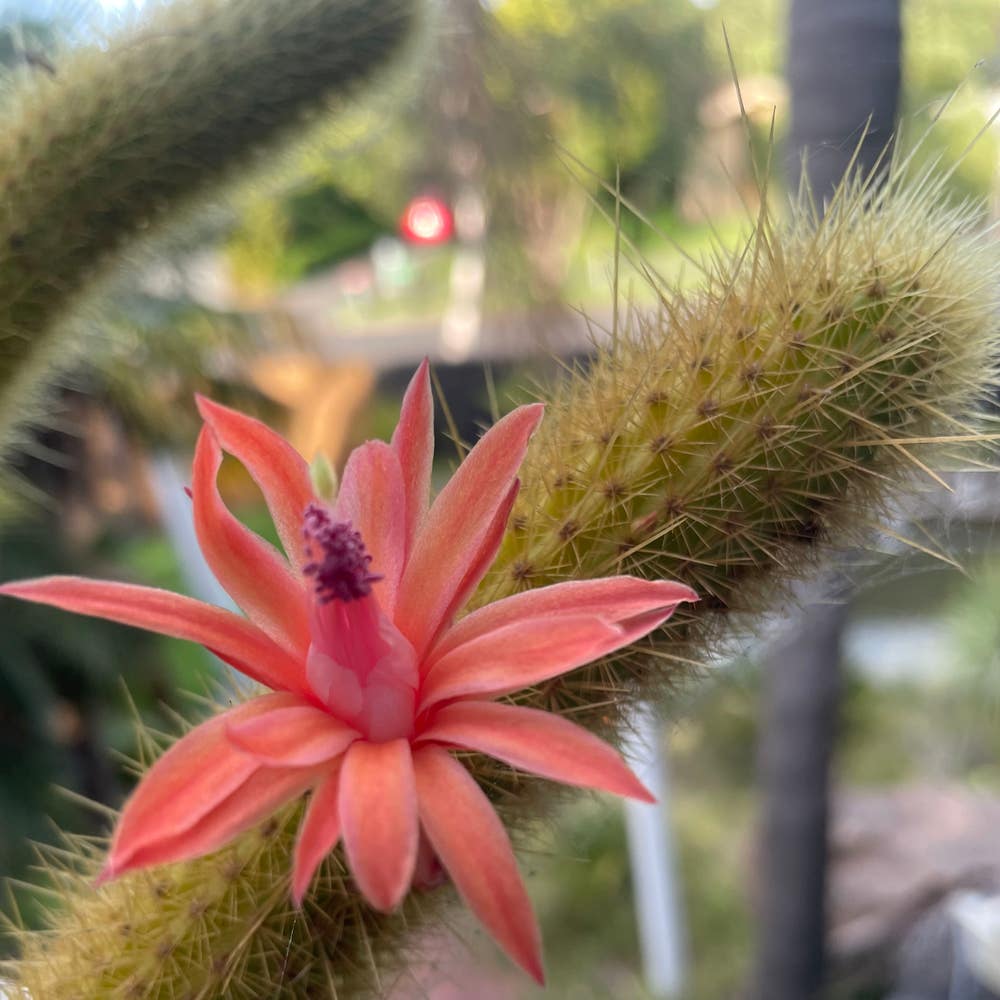
Best Ways to Protect Golden Rat Tail from Frost ❄️
Cleistocactus winteri
By the Greg Editorial Team
Sep 30, 2024•5 min read
This article was created with the help of AI so we can cover more plants for you. May contain errors. See one? Report it here.
Ensure your Golden Rat Tail succulents thrive this winter with essential care tips! ❄️🌱
- ❄️ Golden Rat Tail succulents are vulnerable to frost, causing blackened or mushy stems.
- 🌱 Protect before frost with cloths or mulch for insulation and moisture retention.
- 🌞 Indoor care requires bright light and dry soil to prevent winter stress.
Characteristics During Winter
Appearance Changes 🌈
As winter sets in, Golden Rat Tail succulents undergo noticeable changes. You may observe color shifts, with their vibrant greens fading to more muted tones.
Stem retraction is another common phenomenon during this season. This natural response helps the plant conserve water, which is crucial for its survival in colder months.
Water Storage Implications for Winter Care 💧
Understanding water storage is vital for winter care. These plants store moisture in their stems, making them sensitive to frost and potential damage.
If temperatures drop too low, the stored water can freeze, leading to serious harm. Keeping an eye on the weather can help you take preventive measures.
Sensitivity to Frost and Potential Damage ❄️
Golden Rat Tail succulents are particularly sensitive to frost. Even a light frost can cause blackened or mushy stems, which are signs of frost damage.
To protect your plants, it's essential to monitor conditions closely. Recognizing these signs early can make a significant difference in their winter survival.
With a solid understanding of how these plants behave during winter, you can better prepare for the frost protection strategies that follow.
Frost Protection Strategies
🌬️ Outdoor Protection
Timing is crucial when it comes to protecting your Golden Rat Tail from frost. Implement protective measures before the first frost hits, typically in late fall.
For coverings, consider using frost cloths, burlap, or plastic sheeting. Each option offers varying levels of insulation, so choose based on your local climate conditions.
Ensure that your coverings allow for adequate airflow. This prevents moisture buildup, which can lead to mold and other issues.
🧤 Mulch and Covers
When it comes to insulation, not all mulch is created equal. Organic options like straw or shredded leaves provide excellent insulation while enriching the soil as they decompose.
Layering techniques can enhance effectiveness. A thicker layer of mulch traps more heat, while a lighter top layer allows for moisture retention.
Both organic and inorganic materials have their benefits. Organic mulch improves soil health, while inorganic options like gravel offer long-lasting durability.
🏠 Indoor Protection
Transitioning your Golden Rat Tail indoors requires careful timing and conditions. Aim to bring it inside before temperatures drop significantly.
Ideal indoor locations should have controlled light and temperature. A spot with bright, indirect sunlight and temperatures between 60°F to 75°F (15°C to 24°C) is perfect.
Monitoring humidity is essential to prevent stress. Too much moisture can lead to root rot, so keep an eye on the environment.
By following these strategies, you can effectively shield your Golden Rat Tail from frost and ensure it thrives through the winter months. Next, let’s explore how to adjust watering and fertilizing during this dormant period.
Watering and Fertilizing Adjustments
💧 Watering During Dormancy
During the winter months, it's crucial to adjust your watering routine for your Golden Rat Tail. Aim to water less frequently, allowing the soil to dry out completely between waterings.
Signs of overwatering can be alarming. Look for yellowing stems or a mushy texture, which indicate that your plant is struggling.
🌱 Fertilizing Needs
When it comes to fertilizing dormant succulents, choose a balanced, diluted fertilizer. A good rule of thumb is to fertilize every 4-6 weeks, but always check the specific needs of your plant.
Avoid fertilizing during dormancy altogether. Your Golden Rat Tail is in a resting phase, and extra nutrients can do more harm than good.
By carefully managing watering and fertilizing, you can help your Golden Rat Tail thrive through the winter months. This attention to detail sets the stage for a vibrant spring recovery.
Indoor Winter Care
Optimal Conditions 🌡️
To keep your Golden Rat Tail thriving indoors during winter, aim for a temperature range of 60°F to 75°F (15°C to 24°C). This warmth helps maintain its health and prevents stress.
Light is crucial for your plant's well-being. Provide bright, indirect sunlight to avoid scorching its delicate leaves. Direct sunlight can be too harsh, especially in winter.
Don't underestimate the importance of air circulation. Good airflow helps prevent mold, which can be a sneaky problem in indoor environments.
Addressing Stress Signs 🚨
Keep an eye out for signs of stress in your plant. Indicators like wilting, discoloration, or stunted growth can signal that something's off.
If you notice these issues, consider adjusting the light, humidity, or watering schedule. Sometimes, a simple tweak can make a world of difference.
Regular monitoring is key. By checking in on your Golden Rat Tail frequently, you can catch problems early and keep it healthy through the winter months.
As you care for your plant indoors, remember that each adjustment contributes to its overall resilience. With the right conditions and attention, your Golden Rat Tail will be ready to thrive come spring.
Spring Preparation and Recovery
Signs of Damage and Recovery 🌱
As winter fades, it's crucial to assess your Golden Rat Tail for frost damage. Look for blackened or mushy stems, which are clear indicators that your plant has suffered.
If you spot any damage, don’t panic. Pruning away the affected areas can help the plant focus its energy on healthy growth. Repotting may also be necessary if the roots are compromised. Remember, recovery takes time, so patience is key as your plant regrows.
Preparing for Spring Growth 🌼
When the weather warms, it's time to transition your Golden Rat Tail back outdoors. Timing is essential; wait until the threat of frost has passed to avoid further damage.
Acclimatization is vital. Gradually introduce your plant to outdoor conditions to prevent shock. As spring arrives, adjust your watering and fertilizing routine to support new growth.
Keep an eye out for pests and diseases, as these can become more prevalent with warmer temperatures. Regular monitoring will ensure your plant thrives as it emerges from dormancy.
⚠️ Safety First
This content is for general information and may contain errors, omissions, or outdated details. It is not medical, veterinary advice, or an endorsement of therapeutic claims.
Always consult a qualified healthcare professional before using any plant as food, medicine, or supplement.
Never eat any plant (or feed one to pets) without confirming its identity with at least two trusted sources.
If you suspect poisoning, call Poison Control (800) 222-1222, the Pet Poison Helpline (800) 213-6680, or your local emergency service immediately.
Spotted an error? Please report it here.
Keep your Golden Rat Tail frost-free ❄️ this winter with Greg's tailored care tips and reminders, ensuring your succulent thrives all year round!