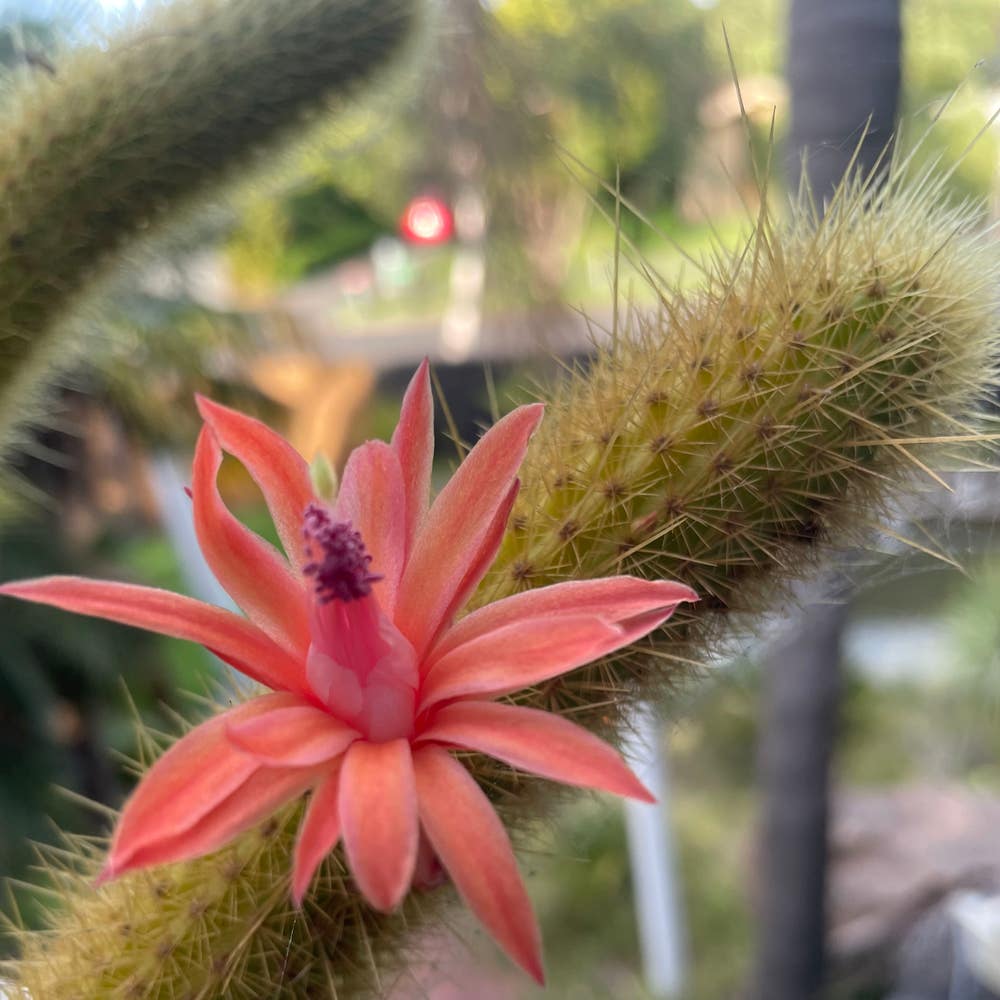
Golden Rat Tail Is a Garden Plant, Not a Weed 🐀
Cleistocactus winteri
By the Greg Editorial Team
Sep 30, 2024•6 min read
This article was created with the help of AI so we can cover more plants for you. May contain errors. See one? Report it here.
Transform your garden with Golden Rat Tail 🌼—a stunning, low-maintenance plant that boosts biodiversity and ecological harmony!
- 🌼 Golden Rat Tail enhances ecosystems, promoting biodiversity instead of being invasive.
- 💧 Thrives in arid soils with minimal water, perfect for low-maintenance gardens.
- 🐝 Attracts pollinators like bees and butterflies, supporting local wildlife and habitats.
Plant Classification
Definition of Invasive Species 🌱
Invasive species are plants that exhibit rapid growth and aggressive spreading, often leading to detrimental effects on local ecosystems. They can outcompete native flora, disrupt habitats, and alter soil chemistry, creating a cascade of negative impacts.
However, Golden Rat Tail stands apart from these invasive traits. Its growth habits are characterized by long, trailing stems that spread without overwhelming their surroundings. This plant fosters positive interactions with local flora and fauna, enhancing rather than disrupting the ecosystem.
Golden Rat Tail thrives in well-drained soils and requires minimal water, which helps it coexist peacefully with other plants. By limiting its aggressive spread, it contributes to a balanced garden environment, making it a valuable addition rather than a threat.
Understanding these distinctions is crucial for gardeners who want to cultivate a thriving, sustainable landscape. With its unique growth patterns, Golden Rat Tail proves to be a beneficial ally in the garden, promoting biodiversity and supporting local wildlife.
As we delve deeper into its growth habits, you'll see how this plant can enhance your garden while maintaining ecological harmony.
Growth Habits
🌱 Typical Growth Patterns
Golden Rat Tail features long, trailing stems that spread gracefully across the ground. While it can cover a significant area, its growth is controlled and does not overwhelm surrounding plants.
The flowering period typically occurs in late spring to early summer, showcasing vibrant yellow flowers. These blooms not only add color but also attract various pollinators, enhancing the garden's biodiversity.
🌿 Natural Growth Limits
This plant thrives in well-drained soils and has low water requirements, making it ideal for arid environments. Its growth is naturally limited by competition with other plants, ensuring it doesn't dominate the landscape.
Golden Rat Tail's adaptability allows it to coexist with various flora, promoting a balanced ecosystem. This characteristic is crucial for maintaining a healthy garden environment.
🌼 Seasonal Growth Behaviors
In spring, Golden Rat Tail experiences active growth and begins to flower, bringing life back to the garden. As summer approaches, it maintains its growth with minimal water needs, making it a low-maintenance option.
During fall and winter, the plant enters a dormant phase, preparing for the next growing season. This cycle not only conserves energy but also ensures that it returns robustly each spring, ready to thrive once again.
With its unique growth habits and seasonal behaviors, Golden Rat Tail proves to be a valuable addition to any garden. Next, we'll explore its ecological role and the benefits it brings to local ecosystems.
Ecological Role
🌱 Benefits to Local Ecosystems
Golden Rat Tail plays a vital role in enhancing soil health. Its robust root systems improve soil structure, allowing for better aeration and nutrient retention.
Additionally, this plant helps prevent soil erosion, especially in arid environments. By stabilizing the soil, it protects against degradation and promotes a healthier ecosystem.
🦋 Positive Interactions with Wildlife
One of the standout features of Golden Rat Tail is its ability to attract beneficial pollinators. Bees, butterflies, and other insects flock to its vibrant blooms, supporting local biodiversity.
Moreover, it provides essential habitat and food sources for local fauna. This creates a thriving environment where various species can coexist and flourish.
Incorporating Golden Rat Tail into your garden not only beautifies your space but also fosters a healthier ecosystem. As we explore garden management techniques next, consider how this plant can enhance your landscape while supporting nature.
Garden Management Techniques
Incorporating into Garden Designs 🌼
Golden Rat Tail can be a stunning addition to your garden. Consider using it as ground cover, where its long, trailing stems can create a lush, green carpet.
For borders, its vibrant yellow flowers add a cheerful touch. Xeriscaping is another excellent application, as this plant thrives in low-water conditions, making it perfect for drought-resistant gardens.
Companion Planting Strategies 🌱
Pair Golden Rat Tail with other drought-tolerant plants to enhance both aesthetics and health. Plants like lavender or succulents can complement its growth while providing a beautiful contrast in color and texture.
This strategy not only beautifies your garden but also promotes a healthier ecosystem by attracting beneficial insects.
Aesthetic Considerations for Growth Control ✂️
Managing the growth of Golden Rat Tail is straightforward. Regular pruning helps maintain its shape and prevents it from becoming unruly.
Spacing is also crucial; give each plant enough room to breathe. This approach keeps your garden looking tidy while allowing the plant to flourish naturally.
Maintenance Tips 🧑🌾
Golden Rat Tail is low-maintenance, making it ideal for busy gardeners. Its low water requirements mean you can enjoy a vibrant garden without constant watering.
Fertilization needs are minimal, too. A light application of fertilizer once or twice a year is sufficient to keep it healthy and thriving.
Incorporating these management techniques will ensure your Golden Rat Tail not only survives but thrives, enhancing your garden's beauty and ecological balance. Next, let’s explore its ecological role and the benefits it brings to local ecosystems.
Comparison to Other Plants
🌱 Similar Non-Invasive Plants
When considering non-invasive plants for your garden, several options thrive in similar environments as Golden Rat Tail. Plants like Blue Fescue and Sedum offer low water requirements and adaptability to well-drained soils.
These plants share characteristics such as drought tolerance and minimal maintenance needs, making them excellent companions in a sustainable garden. Their resilience and aesthetic appeal complement the unique qualities of Golden Rat Tail beautifully.
🌼 Unique Qualities
Golden Rat Tail stands out with its long, trailing stems and vibrant yellow flowers. This plant not only adds a splash of color but also requires very little water, making it a practical choice for eco-conscious gardeners.
Its ecological benefits are noteworthy as well. By supporting local wildlife and enhancing soil health, Golden Rat Tail proves to be more than just a pretty face in the garden. Its unique features and advantages make it a valuable addition to any landscape design, promoting both beauty and sustainability.
As we explore the next section, let’s dive into the legal and environmental considerations surrounding this remarkable plant.
Legal and Environmental Considerations
Relevant Classifications 🌱
When considering planting Golden Rat Tail, it's essential to check local regulations. Some areas may have specific guidelines regarding non-invasive plants to ensure they don't disrupt local ecosystems.
Understanding these classifications helps gardeners make responsible choices. It fosters a more harmonious relationship with nature, ensuring that our gardening practices support local biodiversity.
Sustainable Gardening Practices ♻️
Integrating Golden Rat Tail into sustainable gardening methods is a smart move. This plant thrives in low-water conditions, making it an excellent choice for xeriscaping and eco-friendly gardens.
Using native and non-invasive plants like Golden Rat Tail enhances landscape design. They not only beautify your space but also contribute positively to the environment, promoting soil health and supporting local wildlife.
Incorporating these practices can lead to a thriving garden that respects and nurtures the ecosystem. By choosing wisely, we can create spaces that are both beautiful and beneficial.
⚠️ Safety First
This content is for general information and may contain errors, omissions, or outdated details. It is not medical, veterinary advice, or an endorsement of therapeutic claims.
Always consult a qualified healthcare professional before using any plant as food, medicine, or supplement.
Never eat any plant (or feed one to pets) without confirming its identity with at least two trusted sources.
If you suspect poisoning, call Poison Control (800) 222-1222, the Pet Poison Helpline (800) 213-6680, or your local emergency service immediately.
Spotted an error? Please report it here.
Transform your garden with the vibrant Golden Rat Tail 🌼, and let Greg guide you with tailored care reminders to ensure this eco-friendly beauty thrives while supporting local wildlife!