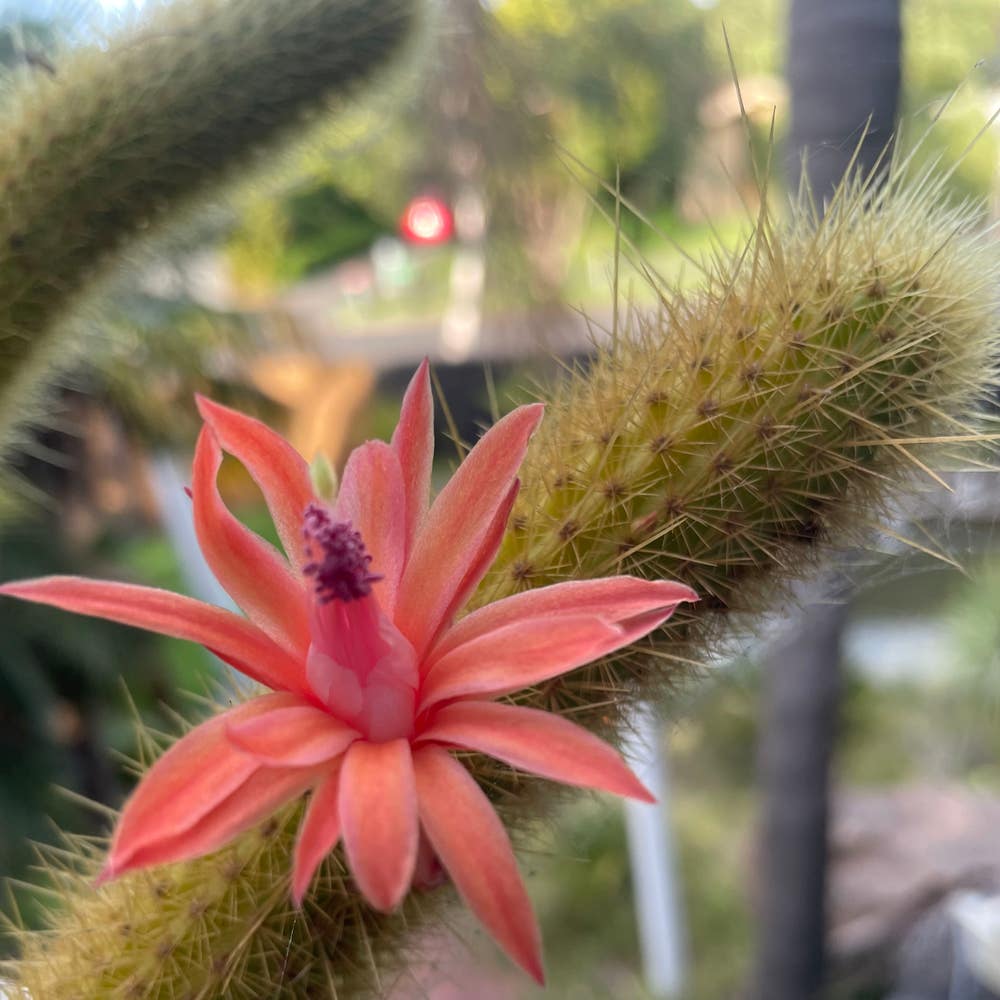
3 Perfect Times to Plant Golden Rat Tail 🐀
Cleistocactus winteri
By the Greg Editorial Team
Sep 30, 2024•6 min read
This article was created with the help of AI so we can cover more plants for you. May contain errors. See one? Report it here.
Unlock your garden's potential by mastering frost dates for thriving Golden Rat Tail! 🌱
- 🌱 Know your frost dates for successful Golden Rat Tail planting in your region.
- 🌡️ Optimal soil temperature for planting is between 60°F to 75°F (15°C to 24°C).
- 📅 Planting windows vary: Florida's March-June, Colorado's late May-July.
Importance of Frost Dates
Understanding frost dates is crucial for successful gardening, especially for plants like Golden Rat Tail. These dates indicate when the last frost is expected in your area, helping you determine the best time to plant.
🌡️ How to Determine Frost Dates
To find your local frost dates, utilize resources such as local agricultural extensions, gardening apps, and planting calendars. These tools provide reliable information tailored to your region.
For example, the last frost date in Florida typically falls around mid-March. In contrast, gardeners in Colorado may need to wait until late May to safely plant. Knowing these dates can make all the difference in your garden's success.
By aligning your planting schedule with frost dates, you can avoid the risk of frost damage and ensure a thriving Golden Rat Tail crop. This knowledge sets the foundation for a fruitful gardening experience.
As you prepare for planting, remember that soil temperature and day length also play significant roles in your garden's health. Let's explore these factors next.
Soil Temperature Considerations
Ideal Soil Temperature for Golden Rat Tail 🌱
For successful growth, Golden Rat Tail thrives in soil temperatures ranging from 60°F to 75°F (15°C to 24°C). This temperature range is crucial as it directly influences germination rates and the overall health of the plants.
How to Measure Soil Temperature 🌡️
To accurately measure soil temperature, you can use a soil thermometer, which provides precise readings. Alternatively, the "hand test" is a simple method: dig a small hole and feel the soil; if it’s comfortably warm to the touch, it’s likely in the right range.
Timing is key—check the soil temperature about a week before you plan to plant. This ensures you’re planting at the optimal moment for your Golden Rat Tail to flourish.
With these temperature considerations in mind, you can confidently prepare for planting. Next, let’s explore how day length impacts the growth of Golden Rat Tail.
Day Length Impact
Impact of Day Length on Growth 🌱
Golden Rat Tail thrives in longer daylight hours, which are crucial for its optimal growth. Aim for a day length of 12 to 14 hours to ensure robust development.
Seasonal Variations 🌍
Day length varies throughout the year, influencing when you should plant. In southern states, longer days begin earlier in spring, allowing for an extended growing season compared to northern regions.
Understanding these variations can help you time your planting perfectly, maximizing your chances for a bountiful harvest.
With day length in mind, let’s explore regional planting recommendations next.
Regional Planting Recommendations
Florida: Ideal Planting Months 🌴
In Florida, the best months to plant Golden Rat Tail are from March to June. This timeframe allows for optimal growth before the heat of summer sets in.
California: Best Times to Plant 🌞
For California gardeners, the optimal planting window is from March to May. This period ensures that plants establish well before the warmer months.
Texas: Optimal Timing for Success 🤠
In Texas, aim to plant Golden Rat Tail between March and May. This timing aligns with the state's unique climate conditions for successful growth.
New York: Seasonal Considerations 🍎
New York gardeners should consider late April to early June as the best months for planting. This schedule helps avoid late frosts and supports healthy plant development.
Colorado: Planting Strategies 🏔️
In Colorado, the ideal months for planting are late May to early July. This timing accommodates the state's variable weather patterns and ensures soil temperatures are suitable.
Ohio: Timing for Golden Rat Tail 🌽
Ohio gardeners should plan to plant Golden Rat Tail from late April to early June. This window allows for optimal conditions as the growing season begins.
Understanding these regional recommendations is crucial for successful planting. By aligning your planting schedule with local climate conditions, you can enhance the growth and yield of your Golden Rat Tail.
Seed Starting Techniques
Indoor Seed Starting vs. Direct Sowing 🌱
Indoor seed starting offers several advantages. It allows for an earlier start and provides protection from frost, giving your Golden Rat Tail a head start in growth.
For optimal results, aim to start seeds indoors 4-6 weeks before the last frost date. This timing ensures that your plants are ready to thrive once the weather warms up.
On the other hand, direct sowing is a straightforward method. It simplifies the planting process and minimizes transplant shock, making it a great option for many gardeners.
For direct sowing, wait until after the last frost date when soil temperatures are ideal. This approach allows seeds to germinate in their permanent home, promoting healthy growth.
Direct Sowing Considerations 🌾
When direct sowing, soil preparation is crucial. Ensure you have well-drained soil to support healthy root development.
Timing is also key. Plant your seeds after the last frost date for the best results, ensuring they have the right conditions to flourish.
By understanding these seed starting techniques, you can set your Golden Rat Tail up for success. Next, let’s explore the regional planting recommendations to further refine your planting strategy.
Comprehensive Planting Guide
List of All 52 States and Planting Times 🌱
Understanding when to plant Golden Rat Tail can make all the difference in your gardening success. Here’s a detailed table outlining the recommended planting months for each state:
| State | Recommended Planting Months |
|---|---|
| Florida | March to June |
| California | March to May |
| Texas | March to May |
| New York | Late April to early June |
| Colorado | Late May to early July |
| Ohio | Late April to early June |
This table serves as a quick reference to help you plan your planting schedule effectively. Remember, local conditions can vary, so always consider your specific microclimate.
Summary of Key Factors for Success 🌟
To ensure your Golden Rat Tail thrives, keep these critical factors in mind:
- Frost Dates: Knowing your area's last frost date is essential for timing your planting.
- Soil Temperature: Aim for a soil temperature between 60°F to 75°F (15°C to 24°C) for optimal germination.
- Day Length: Longer daylight hours, ideally 12-14 hours, support robust growth.
Following regional planting recommendations based on these factors will set you up for success. By aligning your planting schedule with local conditions, you’ll maximize your chances of a bountiful harvest.
As you prepare to plant, remember that each state has its unique climate quirks. Embrace the journey, and enjoy watching your Golden Rat Tail flourish!
⚠️ Safety First
This content is for general information and may contain errors, omissions, or outdated details. It is not medical, veterinary advice, or an endorsement of therapeutic claims.
Always consult a qualified healthcare professional before using any plant as food, medicine, or supplement.
Never eat any plant (or feed one to pets) without confirming its identity with at least two trusted sources.
If you suspect poisoning, call Poison Control (800) 222-1222, the Pet Poison Helpline (800) 213-6680, or your local emergency service immediately.
Spotted an error? Please report it here.
Get your Golden Rat Tail planted at the perfect time 🌱 with Greg's frost date alerts and soil temperature tips to watch your garden flourish!