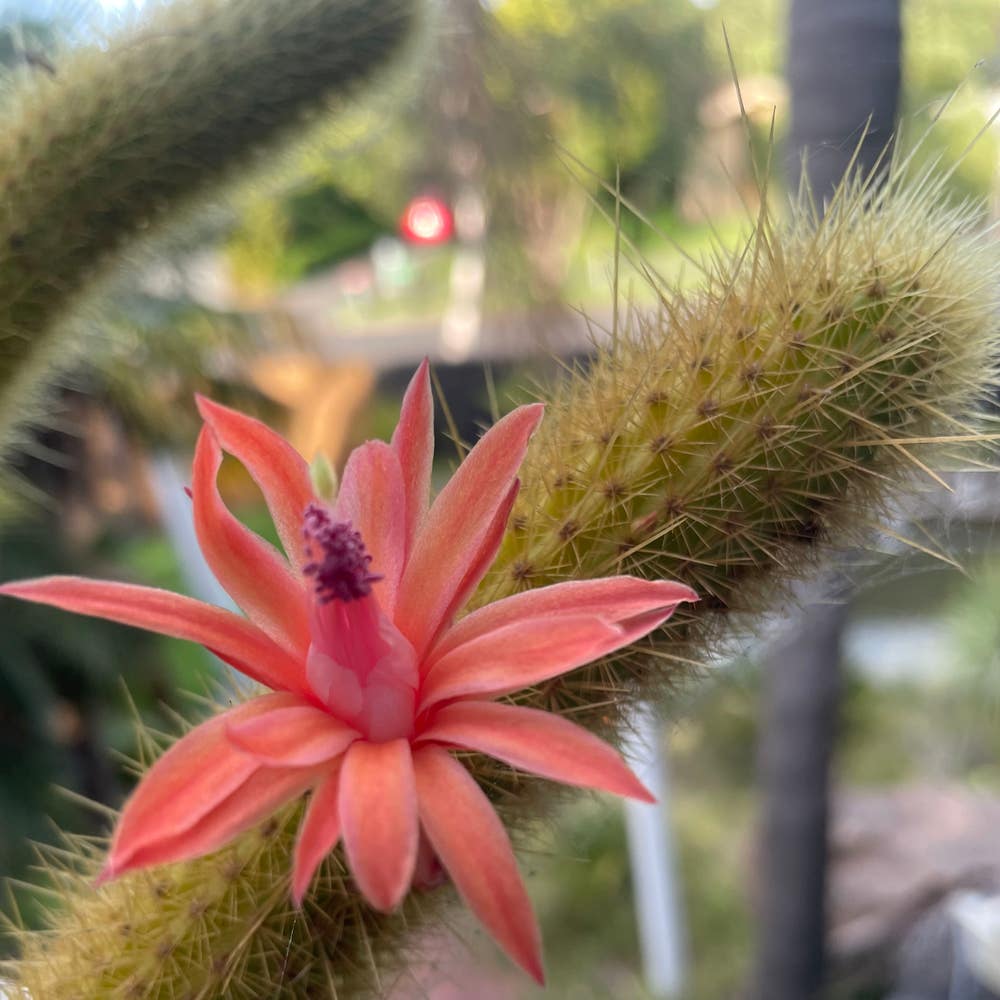
How to Grow Golden Rat Tail: From Soil to Sun 🐀
Cleistocactus winteri
By the Greg Editorial Team
Sep 30, 2024•6 min read
This article was created with the help of AI so we can cover more plants for you. May contain errors. See one? Report it here.
Cultivate a thriving Golden Rat Tail 🌱 with expert planting and care tips for vibrant growth!
- ☀️ Golden Rat Tail needs 6-8 hours of sunlight daily for optimal growth.
- 🌡️ Ideal temperatures range from 70°F to 100°F for healthy development.
- 🌱 Use well-draining soil to prevent root rot; cactus mix with perlite works best.
Soil and Location
Choosing the Right Location 🌞
Golden Rat Tail thrives in full sun, requiring 6 to 8 hours of direct sunlight daily. This exposure not only boosts growth but also enhances its vibrant appearance.
Temperature is another critical factor. Ideally, these plants flourish in warm conditions, with temperatures ranging from 70°F to 100°F (21°C to 38°C). Keeping them in this sweet spot ensures robust health and vitality.
Soil Preparation 🏺
Proper soil preparation is essential for success. Golden Rat Tail needs well-draining soil to prevent root rot, which can be detrimental to its growth.
Aim for a pH range of 6.0 to 7.5 for optimal health. A recommended soil mix combines cactus mix and perlite, enhancing drainage and providing the right environment for your plant.
Container vs. Ground Planting Considerations 🏡
When deciding between container and ground planting, consider your space. Container growing is perfect for limited areas, allowing for mobility and better control over soil conditions.
On the other hand, ground planting suits larger gardens. Just ensure that the location has proper drainage and ample sunlight exposure to keep your Golden Rat Tail thriving.
With the right location and soil, you're setting the stage for a flourishing plant. Next, let’s dive into the best planting techniques to ensure your Golden Rat Tail takes root successfully.
Planting Techniques
Step-by-Step Planting Instructions 🌱
Planting your Golden Rat Tail is straightforward and rewarding. Start by preparing the planting area or container with the right soil mix, ensuring it’s well-draining.
Next, dig a hole or create a space in the container that is twice the width of the root ball. This gives the roots plenty of room to spread out.
Place the plant in the hole, making sure the top of the root ball is level with the soil surface. Fill in with soil, gently pressing down to eliminate any air pockets.
Finally, water lightly to settle the soil around the roots. This initial watering helps establish a strong foundation for your plant.
Spacing and Depth Considerations 📏
When planting in the ground, aim for a spacing of 12-18 inches apart. This distance allows each plant to grow without competing for resources.
Ensure the root ball is not buried too deep; the top should be level with the soil surface. This positioning helps prevent issues like root rot.
Best Time for Planting 🌸
The ideal time to plant your Golden Rat Tail is in spring, after the last frost. By then, temperatures are consistently warm, providing the perfect environment for growth.
With these planting techniques in mind, you’re well on your way to cultivating a thriving Golden Rat Tail. Next, let’s explore how to care for your plant through proper watering and fertilizing.
Watering and Fertilizing
💧 Watering Schedule and Techniques
Watering your Golden Rat Tail is crucial for its health. Allow the soil to dry out completely between waterings, typically every 2-3 weeks.
Water deeply but infrequently to encourage deep root growth. This method helps the plant establish a robust root system, making it more resilient.
🚨 Signs of Overwatering and Underwatering
Recognizing the signs of overwatering is essential. Look for yellowing stems, a mushy texture, and root rot as indicators that you might be giving your plant too much water.
On the flip side, underwatering can lead to wrinkled stems, shriveling, and stunted growth. Keep an eye on your plant's appearance to ensure it thrives.
🌱 Fertilizing Methods and Types of Fertilizers to Use
Fertilizing is key to promoting healthy growth. Aim to fertilize monthly during the growing season, which spans spring and summer.
For the best results, use a balanced cactus fertilizer or a diluted liquid fertilizer at 1/4 strength. This approach provides the nutrients your plant craves without overwhelming it.
With proper watering and fertilizing, your Golden Rat Tail will flourish, setting the stage for ongoing care and maintenance. Next, let’s explore effective pruning techniques to keep your plant healthy and vibrant.
Pruning and Ongoing Care
Pruning Techniques for Healthy Growth 🌱
Pruning is essential for maintaining your Golden Rat Tail's health. Aim to prune in late winter or early spring, just before new growth starts.
Remove any dead or damaged stems to keep the plant vibrant. Thinning out overcrowded areas also promotes better airflow, reducing the risk of disease.
Seasonal Care Routines 🌸
Each season brings unique care needs for your plant.
- Spring: Fertilize and check for pests to kickstart growth.
- Summer: Monitor watering needs closely and ensure your plant gets adequate sunlight.
- Fall: As temperatures drop, reduce watering to prevent root rot.
- Winter: Protect your plant from frost and significantly cut back on watering.
Monitoring for Pests and Diseases 🐛
Keeping an eye out for pests is crucial. Common culprits include mealybugs, spider mites, and scale.
Look for signs of infestation, such as sticky residue, webbing, or visible insects on the stems. To prevent diseases, ensure proper air circulation and avoid overwatering, which can lead to root rot.
With these ongoing care tips, your Golden Rat Tail will thrive and bring joy to your garden. Now, let’s explore common challenges and how to tackle them effectively.
Common Challenges and Solutions
Identifying Common Problems 🌱
Growing Golden Rat Tail can be rewarding, but it's not without its challenges.
Pests like mealybugs and spider mites can weaken your plant, leading to stunted growth and unsightly damage.
Diseases often stem from overwatering, resulting in root rot, while high humidity can invite fungal infections.
Additionally, environmental stress can occur, manifesting as sunburn from excessive sunlight or cold damage during unexpected temperature drops.
Solutions and Preventive Measures 🛡️
To tackle pests, consider using insecticidal soap or neem oil. These treatments are effective and easy to apply, helping to keep your plants healthy.
For disease prevention, ensure your soil drains well and avoid waterlogging. This simple step can save your plant from a lot of trouble.
When it comes to environmental adjustments, provide shade during extreme heat and protection during cold snaps. Your Golden Rat Tail will thank you for it!
Tips for Troubleshooting Growth Issues 🔍
Regularly inspect your plants for signs of stress or pest activity. Early detection can make all the difference.
Adjust your watering frequency based on seasonal changes and how your plant responds. This flexibility is key to maintaining a healthy plant.
If growth stagnates or your plant becomes root-bound, consider repotting. A little extra space can rejuvenate your Golden Rat Tail and encourage new growth.
With these strategies, you can navigate common challenges and enjoy a thriving garden!
⚠️ Safety First
This content is for general information and may contain errors, omissions, or outdated details. It is not medical, veterinary advice, or an endorsement of therapeutic claims.
Always consult a qualified healthcare professional before using any plant as food, medicine, or supplement.
Never eat any plant (or feed one to pets) without confirming its identity with at least two trusted sources.
If you suspect poisoning, call Poison Control (800) 222-1222, the Pet Poison Helpline (800) 213-6680, or your local emergency service immediately.
Spotted an error? Please report it here.
Grow your Golden Rat Tail like a pro 🌱 with Greg's tailored care reminders and expert tips to ensure it thrives beautifully in your garden!