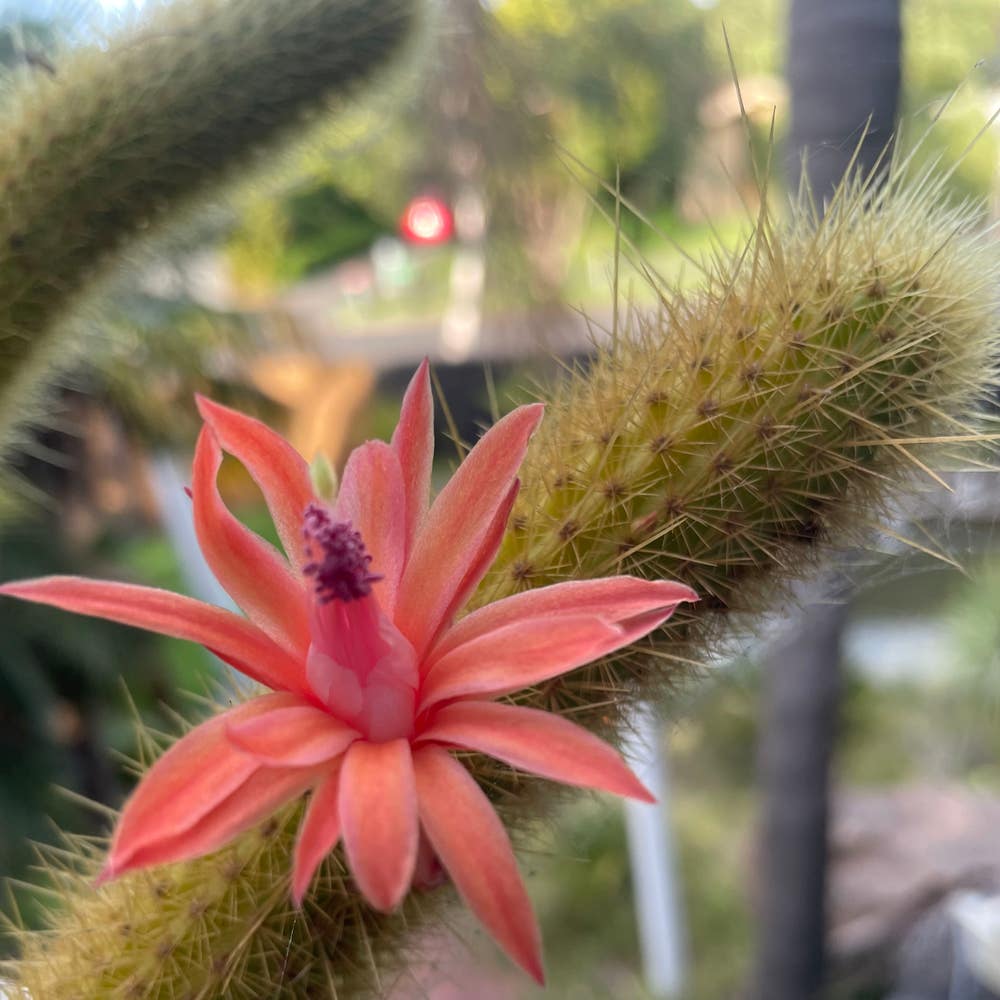
How to Grow Golden Rat Tail Outdoors 🐀
Cleistocactus winteri
By the Greg Editorial Team
Sep 30, 2024•4 min read
This article was created with the help of AI so we can cover more plants for you. May contain errors. See one? Report it here.
Transform your Golden Rat Tail 🌱 into a stunning centerpiece with essential sunlight and care tips!
- ☀️ Golden Rat Tail needs 6-8 hours of sunlight for vibrant growth and health.
- 💧 Allow soil to dry completely between waterings to prevent yellowing and mushy stems.
- 🌱 Use well-draining soil and monitor for pests to ensure optimal plant health.
Sunlight Needs
Ideal Exposure 🌞
Golden Rat Tail thrives in full sun, requiring 6-8 hours of direct sunlight daily. This exposure is crucial as it promotes healthy stem development and enhances the plant's vibrant coloration.
Signs of Insufficient Sunlight 🌑
If your Golden Rat Tail isn't getting enough sun, you might notice etiolated growth, where the stems become elongated and weak. Additionally, the plant may lose its vibrant yellow-green hue, signaling that it’s time to adjust its light conditions.
Ensuring your plant receives adequate sunlight is essential for its overall health and aesthetic appeal. Keep an eye on its growth patterns to maintain that stunning look!
Watering Requirements
General Guidelines 🌱
Watering your Golden Rat Tail is straightforward but crucial. Allow the soil to dry out completely between waterings to ensure healthy growth.
During the active growth period in spring and summer, increase your watering frequency. In contrast, reduce watering during the plant's dormancy in fall and winter.
Overwatering Risks 🚫
Be cautious of overwatering, as it can lead to significant issues. Symptoms include yellowing stems and a mushy texture, which signal that your plant is struggling.
To prevent root rot, it's essential to use well-draining soil. This simple step can save your plant from unnecessary stress and keep it thriving.
Understanding these watering requirements will set you on the right path to nurturing your Golden Rat Tail. Next, let’s explore the ideal soil preferences for optimal growth.
Soil Preferences
Ideal Composition 🌱
To ensure your Golden Rat Tail thrives, start with a well-draining soil mix. A cactus or succulent potting mix is perfect for this plant, providing the right balance of moisture retention and drainage.
The pH level is also crucial. Aim for a slightly acidic to neutral range, between 6.0 and 7.0, to promote optimal growth.
Drainage Techniques 🚰
Improving drainage is essential for preventing root rot. Consider adding perlite or sand to your soil mix; these materials enhance aeration and drainage, keeping roots healthy.
If you're using containers, make sure they have drainage holes. This simple step can save your plant from excess water buildup, ensuring it flourishes in its environment.
With the right soil and drainage techniques, your Golden Rat Tail will be set for success. Next, let’s explore the best planting options for this unique plant.
Planting Options
Container vs. In-Ground 🌱
When deciding where to grow your Golden Rat Tail, consider the benefits of containers versus in-ground planting. Containers offer mobility, allowing you to reposition your plants for optimal sunlight or protection from harsh weather. They also give you control over soil quality, which is crucial for healthy growth.
On the other hand, planting in the ground provides better root expansion and stability. This can lead to a more robust plant, as the roots can spread out and access nutrients more effectively.
Drawbacks ⚠️
However, both options come with their own set of challenges. Containers can limit root space, which may stunt growth, and they tend to dry out more quickly, requiring more frequent watering.
In-ground planting, while beneficial for root development, poses risks such as exposure to pests and diseases lurking in the soil. It's essential to weigh these factors based on your gardening style and environment.
Choosing the right planting option is key to nurturing your Golden Rat Tail. Next, let’s explore how to protect your plants from extreme weather conditions and seasonal changes.
Weather Protection and Seasonal Care
🌪️ Extreme Weather Strategies
Protecting your golden rat tail from extreme weather is crucial for its health. During intense heat, using shade cloth can shield your plants from scorching sun.
In colder months, frost protection is essential. Cover your plants with frost cloth or bring container plants indoors to prevent damage from freezing temperatures.
🍂 Seasonal Adjustments
As the seasons change, so should your care routine. Increase watering frequency in spring when your plant is actively growing, and reduce it in the fall and winter when it enters dormancy.
Keep an eye out for pests during the warmer months. Providing additional shade in summer can help mitigate stress on your plants.
🐛 Pest and Disease Management
Common pests like aphids, mealybugs, and spider mites can pose a threat to your golden rat tail. Regular monitoring is key to catching infestations early.
For organic control, neem oil and insecticidal soap are effective treatments. These methods help keep your plants healthy without harsh chemicals.
With these strategies in place, your golden rat tail will thrive through the seasons. Next, let’s explore the best soil preferences to ensure optimal growth.
⚠️ Safety First
This content is for general information and may contain errors, omissions, or outdated details. It is not medical, veterinary advice, or an endorsement of therapeutic claims.
Always consult a qualified healthcare professional before using any plant as food, medicine, or supplement.
Never eat any plant (or feed one to pets) without confirming its identity with at least two trusted sources.
If you suspect poisoning, call Poison Control (800) 222-1222, the Pet Poison Helpline (800) 213-6680, or your local emergency service immediately.
Spotted an error? Please report it here.
Grow your Golden Rat Tail vibrantly 🌱 by using Greg's tailored watering reminders and soil tips to meet its unique needs for thriving outdoor growth!