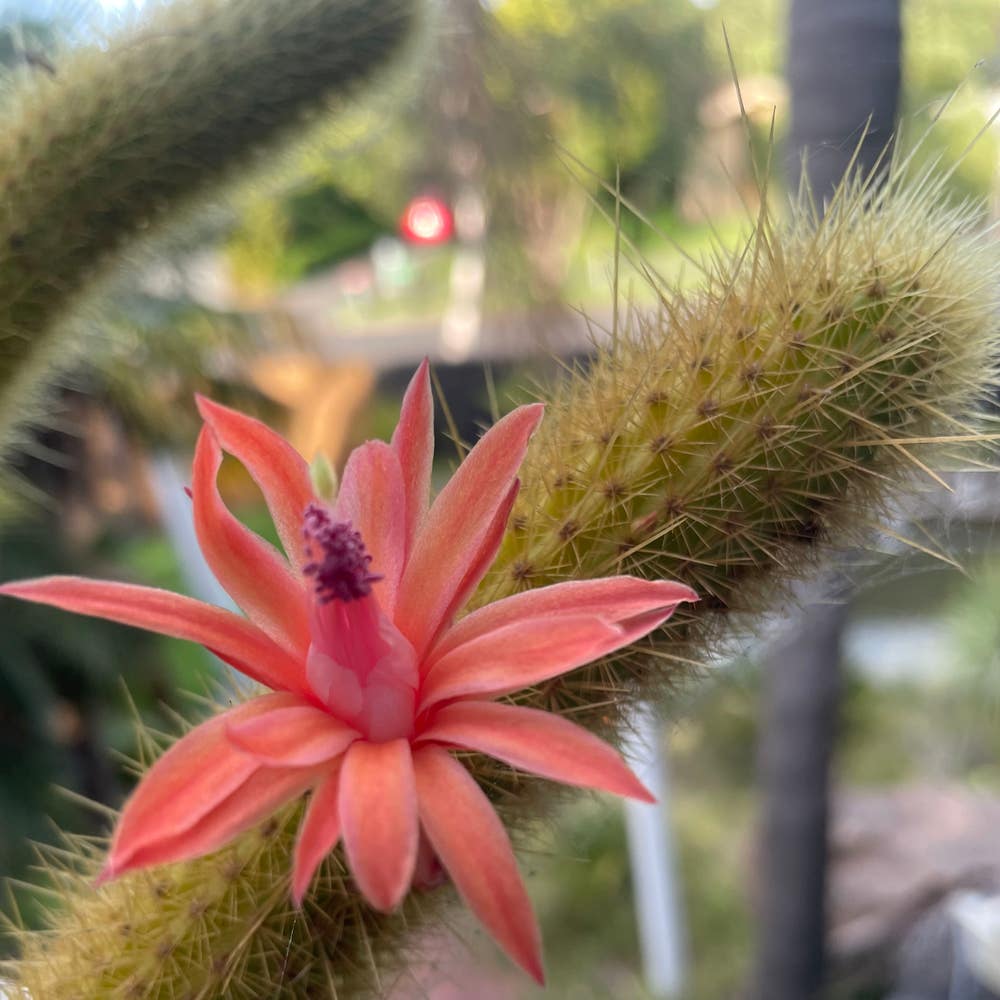
🐍 Golden Rat Tail Care: Preventing Wilting
Cleistocactus winteri
By the Greg Editorial Team
Sep 30, 2024•6 min read
This article was created with the help of AI so we can cover more plants for you. May contain errors. See one? Report it here.
Transform your wilting Golden Rat Tail 🌱 into a thriving beauty with these essential care tips!
- 💧 Water stress from over or underwatering causes wilting in Golden Rat Tail plants.
- ☀️ Heat stress from direct sunlight leads to wilting; relocate during peak hours.
- 🌱 Monitor soil moisture regularly to prevent wilting and promote healthy growth.
Causes of Wilting in Golden Rat Tail
🌿 Common Causes of Wilting Leaves
Water Stress
Water stress is a leading cause of wilting in Golden Rat Tail plants.
Overwatering can manifest as yellowing leaves and a mushy texture. If you notice these signs, it's time to reassess your watering routine.
Underwatering results in shriveled, dry leaves. This often indicates that your plant is desperate for moisture.
Heat Stress
Heat stress can also contribute to wilting.
High temperatures may cause leaves to curl or develop crispy edges. Keeping an eye on the temperature can help prevent this issue.
Direct sunlight exposure can lead to sunburn and subsequent wilting. Consider relocating your plant during peak sunlight hours to avoid damage.
🌱 Uncommon Causes: Pathogenic Wilt
Disease-Related Wilting
While rare, pathogenic wilt can affect Golden Rat Tail plants.
Symptoms include sudden wilting, darkening of leaves, and potential root rot.
It's crucial to rule out environmental factors before jumping to conclusions about disease. Always assess your plant's surroundings first.
Understanding these causes is essential for effective care. By identifying the root of the problem, you can take proactive steps to keep your Golden Rat Tail thriving. Next, we’ll explore how to diagnose wilting in your plant effectively.
Diagnosing Wilting in Golden Rat Tail
Step-by-Step Guide to Diagnose Wilting 🌱
Assess Watering Routine
Start by checking the soil moisture. Use a moisture meter or simply stick your finger into the soil to gauge its dampness.Evaluate Environmental Conditions
Next, measure the ambient temperature and sunlight exposure. Consider if the environment is too dry or humid, as both extremes can stress your plant.Inspect for Pests or Diseases
Look for signs of pests, such as webbing, sticky residue, or visible insects. Additionally, gently remove the plant from its pot to inspect the roots for any signs of rot or distress.
Diagnosing wilting in your Golden Rat Tail is crucial for effective care. By following these steps, you can pinpoint the issue and take appropriate action to revive your plant.
As you assess your plant's condition, remember that timely intervention can make all the difference in restoring its health.
Solutions for Wilting Leaves
🌊 Actionable Advice for Water Stress
For Overwatering
If you suspect overwatering, the first step is to let the soil dry out completely before rewatering. This helps prevent root rot and encourages healthy growth.
Ensure your pots have drainage holes. Proper drainage is crucial for keeping the roots healthy and preventing waterlogged conditions.
For Underwatering
In cases of underwatering, water the plant thoroughly until excess moisture drains out. This ensures that the roots receive adequate hydration.
Implement a consistent watering schedule to avoid future issues. Regular checks on soil moisture can help maintain the right balance.
☀️ Actionable Advice for Heat Stress
Relocating the Plant
If your Golden Rat Tail is suffering from heat stress, consider relocating it to a shadier spot during peak sunlight hours. This simple move can significantly reduce stress on the plant.
You can also use a humidity tray to increase moisture around the plant. This helps create a more favorable environment, especially during hot days.
🦠 Addressing Disease-Related Wilting
Disease Management
If you suspect disease is the cause of wilting, promptly remove any affected leaves. Treat the plant with appropriate fungicides to combat potential infections.
Ensure proper air circulation around the plant. Good airflow helps prevent fungal growth and keeps your Golden Rat Tail thriving.
By taking these actionable steps, you can effectively address wilting leaves and promote a healthier plant. Next, let’s explore preventive measures to minimize future wilting episodes.
Preventive Measures
Tips to Minimize Future Wilting Episodes 🌱
To keep your Golden Rat Tail thriving, regularly monitor soil moisture levels. This simple practice helps prevent water stress, ensuring your plant gets just the right amount of hydration.
Adjust your watering frequency based on seasonal changes and the plant's growth stage. This flexibility is key to maintaining a healthy environment for your plant.
Environmental Adjustments 🌞
Position your Golden Rat Tail in a spot with indirect sunlight. This adjustment can significantly reduce heat stress and protect your plant from wilting.
Using well-draining soil is crucial for preventing root rot. It promotes healthy growth and keeps your plant's roots happy and thriving.
By implementing these preventive measures, you set the stage for a robust and vibrant Golden Rat Tail. Next, let’s explore effective techniques for reviving a wilted plant.
Reviving a Wilted Golden Rat Tail
🌊 Techniques for Bottom Watering
To revive your wilted Golden Rat Tail, start with bottom watering. Fill a tray with water and place the pot in it for about 30 minutes.
This method allows the plant to absorb moisture from the bottom, promoting healthy root growth and rejuvenation.
🏡 Temporary Relocation Strategies
Next, consider relocating the plant temporarily. Move it to a cooler, shaded area until it shows signs of recovery.
Be cautious with sudden changes; gradually acclimate the plant back to its original location to avoid additional stress.
✂️ Pruning Damaged Leaves
Pruning is another effective way to encourage new growth. Use clean, sharp scissors to remove any wilted or damaged leaves.
Make sure to prune back to healthy tissue, which helps the plant focus its energy on producing fresh, vibrant foliage.
Reviving your Golden Rat Tail can be a rewarding experience. With the right techniques, you can restore its health and beauty, ensuring it thrives in your care.
When to Seek Help
🚨 Signs That Professional Assistance is Needed
If your Golden Rat Tail is still wilting despite your best efforts, it might be time to call in the pros. Persistent wilting can indicate deeper issues that simple adjustments won't fix.
Look out for visible signs of disease or severe pest infestations. If you notice unusual spots, discoloration, or an army of pests, don’t hesitate to seek help.
📚 Resources for Assistance
Consulting local nurseries can provide you with expert advice tailored to your specific plant care needs. These professionals often have hands-on experience and can offer practical solutions.
Additionally, engaging with online plant care communities can be a treasure trove of support and resources. Fellow plant enthusiasts can share their experiences and tips, helping you navigate any challenges you face.
With the right guidance, you can get your Golden Rat Tail back on track and thriving once again.
⚠️ Safety First
This content is for general information and may contain errors, omissions, or outdated details. It is not medical, veterinary advice, or an endorsement of therapeutic claims.
Always consult a qualified healthcare professional before using any plant as food, medicine, or supplement.
Never eat any plant (or feed one to pets) without confirming its identity with at least two trusted sources.
If you suspect poisoning, call Poison Control (800) 222-1222, the Pet Poison Helpline (800) 213-6680, or your local emergency service immediately.
Spotted an error? Please report it here.
Keep your Golden Rat Tail thriving and vibrant 🌿 by using Greg's tailored watering reminders and moisture checks to prevent wilting and ensure optimal care!