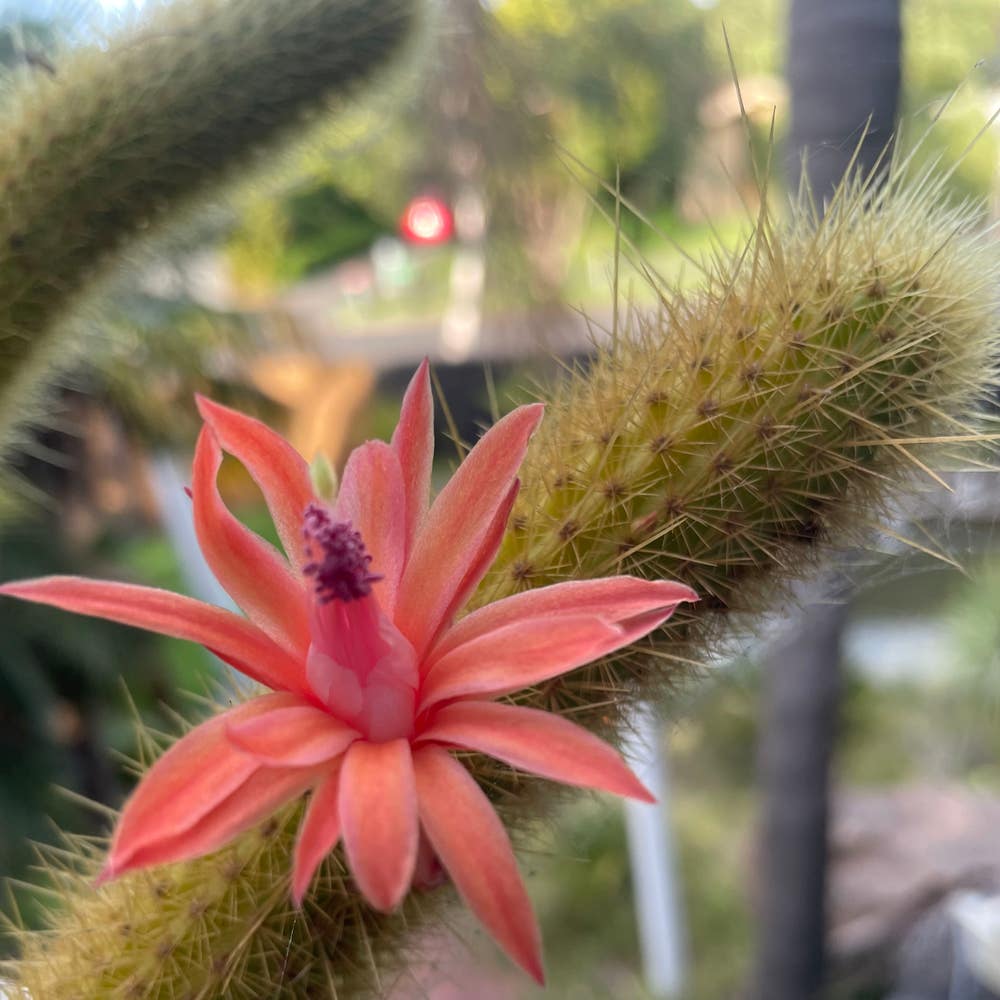
Companion Planting 101: What to Plant with Golden Rat Tail 🐀
Cleistocactus winteri
By the Greg Editorial Team
Sep 30, 2024•4 min read
This article was created with the help of AI so we can cover more plants for you. May contain errors. See one? Report it here.
Boost your garden's health 🌱 by pairing Golden Rat Tail with ideal companion plants for vibrant growth!
- 🌞 Golden Rat Tail thrives in full sun and well-drained soil for optimal growth.
- 🌱 Companion plants like nasturtium and marigolds enhance growth and repel pests effectively.
- 🚫 Avoid cabbage and potatoes; they attract pests and compete for resources.
Companion Plants for Golden Rat Tail
🌱 Description
Golden Rat Tail is known for its unique elongated, rat tail-like roots. This plant thrives in well-drained soil and prefers full sun, making it an excellent choice for sunny gardens.
Its fast growth and culinary appeal enhance the flavor profiles of various dishes, making it a favorite among home cooks.
🌿 List of Compatible Companion Plants
Plant 1: Nasturtium
Nasturtium features edible flowers and leaves with a peppery flavor. This plant acts as a pest repellent, attracting beneficial insects to your garden.
Plant 2: Marigold
Marigolds are bright, cheerful flowers celebrated for their pest-repelling properties. They deter nematodes and other harmful insects, which can enhance the growth of Golden Rat Tail.
Plant 3: Basil
Basil is an aromatic herb that thrives in similar conditions as Golden Rat Tail. It not only enhances the flavor of dishes but also repels aphids, making it a valuable companion.
Plant 4: Spinach
Spinach is a leafy green that grows well in the same soil conditions. It provides ground cover, reducing weed competition and helping maintain soil moisture.
🌼 Explanation of Why These Plants are Good Companions
These companion plants share similar care needs, thriving in full sun and well-drained soil.
Their pest-repellent properties offer unique benefits, helping to manage unwanted insects while enhancing garden diversity.
This diversity contributes to a healthier ecosystem, promoting overall plant health and resilience.
By choosing the right companions, you can create a thriving garden that supports Golden Rat Tail and enriches your culinary experiences.
Next, let’s explore which plants to avoid near Golden Rat Tail to ensure optimal growth and health.
Plants to Avoid Near Golden Rat Tail
List of Incompatible Plants 🌱
Plant 1: Cabbage
Cabbage is a no-go when planting near Golden Rat Tail. It attracts similar pests, which can lead to fierce competition for resources.
Plant 2: Potatoes
Potatoes can be problematic as well. They may harbor diseases that could negatively impact the health of your Golden Rat Tail.
Explanation of Potential Issues ⚠️
Incompatible plants can create competition for nutrients in the soil. This depletion can stunt the growth of your Golden Rat Tail.
Additionally, certain plants can attract pests that specifically target Golden Rat Tail. Keeping these plants at bay helps maintain a healthier garden ecosystem.
By avoiding these incompatible plants, you can ensure your Golden Rat Tail thrives alongside its compatible companions. This strategic planning not only promotes better growth but also enhances your overall gardening experience.
Pest Management through Companion Planting
🌱 How Companion Plants Can Deter Pests
Companion plants serve as natural pest deterrents, creating a harmonious garden ecosystem. Their unique scents and compounds can repel harmful insects, reducing the need for chemical pesticides.
🐞 Specific Pests that Golden Rat Tail May Attract
Golden Rat Tail can attract several common pests, including:
- Aphids: Small, soft-bodied insects that suck plant sap.
- Flea Beetles: Tiny beetles that create holes in leaves.
- Root Maggots: Larvae that damage roots, leading to plant stress.
Signs of infestation include wilting leaves, visible insects, and stunted growth. Early detection is key to preventing significant damage.
🌼 Companion Plants that Help Manage These Pests
Integrating specific companion plants can effectively manage pests affecting Golden Rat Tail. Here are some beneficial options:
- Nasturtium: Attracts aphid predators while repelling aphids themselves.
- Marigold: Deters nematodes and other harmful insects with its strong scent.
- Basil: Repels aphids and enhances the flavor of Golden Rat Tail.
To maximize pest management, consider these strategies:
- Plant in Clusters: Group companion plants together to create a pest-repelling barrier.
- Rotate Planting Locations: Change the layout each season to disrupt pest cycles.
- Monitor Regularly: Keep an eye on both companion and main plants for signs of pests.
By thoughtfully incorporating these companions, you can create a thriving garden that minimizes pest issues while enhancing the overall health of your Golden Rat Tail.
Next, let’s explore how to create visually appealing combinations in your garden design.
Visual Appeal and Garden Design
How to Create Visually Appealing Combinations 🌈
When designing your garden with Golden Rat Tail, consider the colors and textures of companion plants. Bright flowers like nasturtiums and marigolds can create a vibrant contrast against the elongated roots of Golden Rat Tail.
Layering plants adds depth and interest. For instance, place taller plants like marigolds at the back and shorter ones like basil in front, creating a visually dynamic arrangement.
Tips for Arranging Companion Plants for Aesthetic Benefits 🎨
Spacing is crucial for optimal design. Ensure that plants have enough room to grow without overcrowding, which can lead to competition for nutrients.
Height variations can enhance visual appeal. Use taller plants to create focal points, while lower-growing varieties can form pathways, guiding the eye through your garden and creating a cohesive look.
By thoughtfully arranging your companion plants, you not only boost the health of Golden Rat Tail but also create a stunning garden that delights the senses.
⚠️ Safety First
This content is for general information and may contain errors, omissions, or outdated details. It is not medical, veterinary advice, or an endorsement of therapeutic claims.
Always consult a qualified healthcare professional before using any plant as food, medicine, or supplement.
Never eat any plant (or feed one to pets) without confirming its identity with at least two trusted sources.
If you suspect poisoning, call Poison Control (800) 222-1222, the Pet Poison Helpline (800) 213-6680, or your local emergency service immediately.
Spotted an error? Please report it here.
Boost your Golden Rat Tail's growth with smart companion planting 🌱—let Greg guide you with tailored care tips and pest alerts for a flourishing garden!