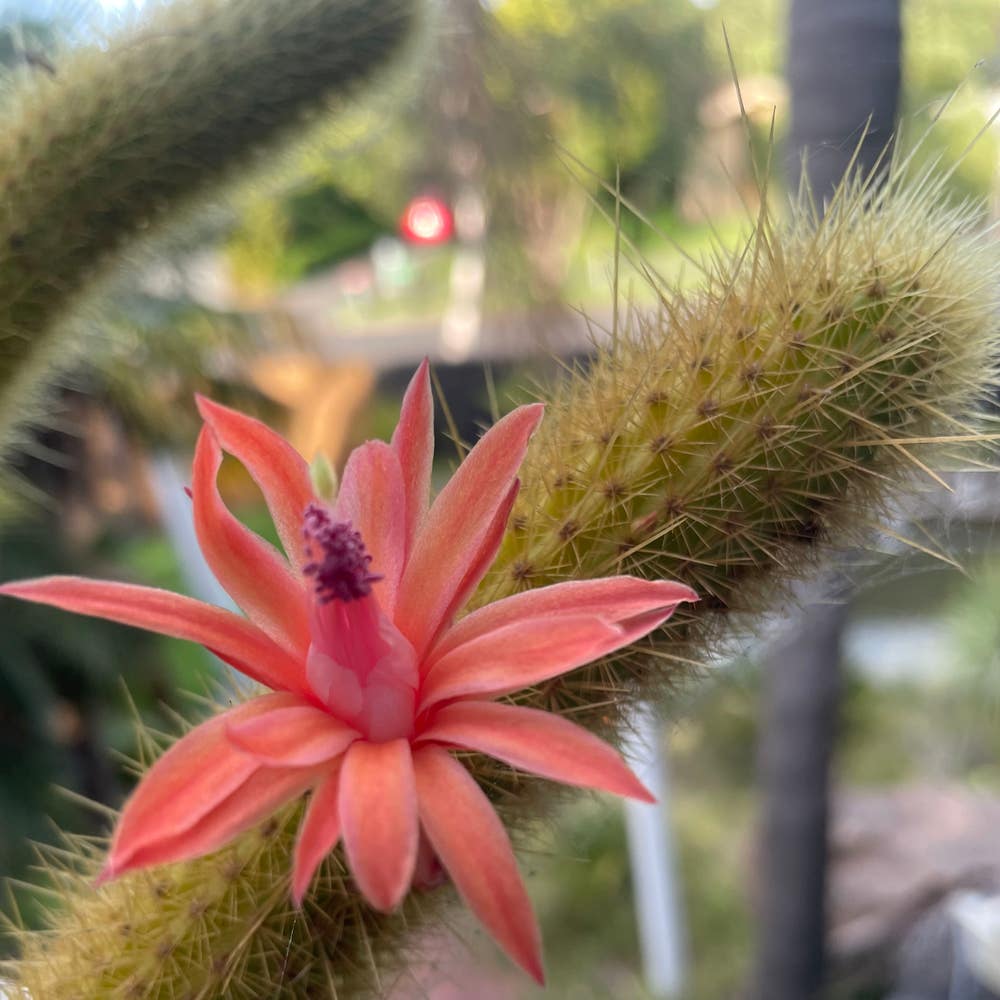
Best Climate for Golden Rat Tail: Zones 9a-11b ☀️
Cleistocactus winteri
By the Greg Editorial Team
Sep 30, 2024•4 min read
This article was created with the help of AI so we can cover more plants for you. May contain errors. See one? Report it here.
Master temperature tolerance 🌡️ for thriving Golden Rat Tail plants and unlock your garden's full potential!
- 🌞 Golden Rat Tail thrives in USDA zones 9a-11b, ideal for warmer climates.
- ❄️ Frost protection is essential; use frost cloths to shield against cold temperatures.
- 🌱 Well-draining soil and full sun are crucial for optimal growth and health.
Temperature Tolerance
❄️ Cold Tolerance
Golden Rat Tail can withstand temperatures as low as 20°F (-6°C). However, frost can significantly hinder its growth, leading to stunted development or even plant death.
To protect against frost damage, consider using frost cloths or row covers. These strategies can help maintain warmth and shield your plants during unexpected cold snaps.
🔥 Heat Tolerance
On the flip side, Golden Rat Tail thrives in high temperatures, tolerating extremes of 100°F (38°C) and above. Its adaptations, such as deep root systems, allow it to survive in scorching conditions.
These features enable the plant to draw moisture from deeper soil layers, making it resilient in arid environments.
🌡️ Ideal Temperature Ranges for Growth
For optimal growth, aim for temperatures between 70°F and 90°F (21°C to 32°C). This range fosters robust development and vibrant health.
Seasonal temperature variations can impact growth rates, so be mindful of fluctuations that may occur throughout the year. Consistent warmth is key to thriving plants.
Understanding these temperature tolerances will help you create the best environment for your Golden Rat Tail, ensuring it flourishes in your garden. Next, let’s explore the ideal growing regions where this plant can truly thrive.
Ideal Growing Regions
🌍 Examples of US States in Zones 9a-11b
Golden Rat Tail thrives in several states within the 9a-11b zones.
- California: Both coastal and inland regions offer ideal conditions.
- Florida: The southern parts boast warm climates perfect for growth.
- Texas: Areas with arid conditions provide a suitable environment.
🌱 Factors Contributing to Ideal Conditions
Several key factors contribute to the successful cultivation of Golden Rat Tail.
- Soil Type: Well-draining soils are preferred to prevent root rot.
- Sunlight Exposure: Full sun is essential for optimal growth.
- Rainfall Patterns: Low to moderate rainfall is ideal, ensuring the plant receives enough moisture without becoming waterlogged.
🌤️ Comparison of Different Regions
Understanding the differences between coastal and inland climates can help you choose the best location for planting.
- Coastal Climates: Typically have milder temperatures and higher humidity.
- Inland Climates: Often experience more extreme temperature variations, which can affect growth.
These variations in humidity and temperature across regions can significantly impact the health and yield of Golden Rat Tail.
Choosing the right location is crucial for maximizing your plant's potential. As you explore these regions, consider how each factor plays a role in creating the perfect environment for your Golden Rat Tail.
Next, we’ll delve into the concept of microclimates and how they can further enhance your growing experience.
Microclimates and Their Impact
🌍 Definition and Benefits
Microclimates are localized areas where the climate differs from the surrounding region. Factors like elevation, proximity to water, and urban development can create these unique environments, offering distinct advantages for plant growth.
🌱 How Microclimates Extend Growing Range
Microclimates can significantly enhance cultivation opportunities. They allow plants to thrive outside their typical hardiness zones, providing a buffer against extreme weather conditions.
🏙️ Specific Microclimates
Urban areas often experience heat retention due to buildings and pavement, creating warmer conditions ideal for growth. Conversely, protected valleys can shield plants from cold winds, fostering a more stable environment for delicate species.
Understanding microclimates is essential for maximizing the potential of Golden Rat Tail and similar plants. By recognizing these unique conditions, gardeners can make informed decisions about where to plant and how to protect their crops.
State-Level Suitability Analysis
Suitable States 🌟
When it comes to growing Golden Rat Tail, certain states shine brighter than others.
- California: With its diverse climates, both coastal and inland areas provide ideal conditions.
- Florida: The southern regions bask in warm climates, perfect for this plant.
- Texas: Arid areas offer the right balance of heat and sunlight.
- Arizona: Known for its dry conditions, it supports the growth of Golden Rat Tail.
- Hawaii: The tropical climate is a natural fit for this plant.
Unsuitable States 🚫
Not every state is a friend to Golden Rat Tail.
- North Dakota: Extreme cold winters make it a tough environment.
- Minnesota: Frequent frost and low temperatures hinder growth.
- Maine: A short growing season and cold snaps pose significant challenges.
Reasons for Suitability or Unsuitability 🤔
Understanding why some states thrive while others struggle is key.
- Temperature Extremes: Suitable states generally experience milder winters and warmer summers, allowing for longer growing seasons.
- Frost Dates: The first and last frost dates are crucial. States with late springs and early falls can jeopardize growth.
- Soil and Moisture Conditions: Well-draining soils and adequate moisture levels are essential for healthy plants.
In summary, choosing the right state can make all the difference for Golden Rat Tail cultivation. The next section will delve into microclimates and how they can further influence growing conditions.
⚠️ Safety First
This content is for general information and may contain errors, omissions, or outdated details. It is not medical, veterinary advice, or an endorsement of therapeutic claims.
Always consult a qualified healthcare professional before using any plant as food, medicine, or supplement.
Never eat any plant (or feed one to pets) without confirming its identity with at least two trusted sources.
If you suspect poisoning, call Poison Control (800) 222-1222, the Pet Poison Helpline (800) 213-6680, or your local emergency service immediately.
Spotted an error? Please report it here.
Maximize your Golden Rat Tail's growth potential with Greg's tailored care reminders 🌱, ensuring it thrives in the perfect climate while you enjoy its unique beauty!