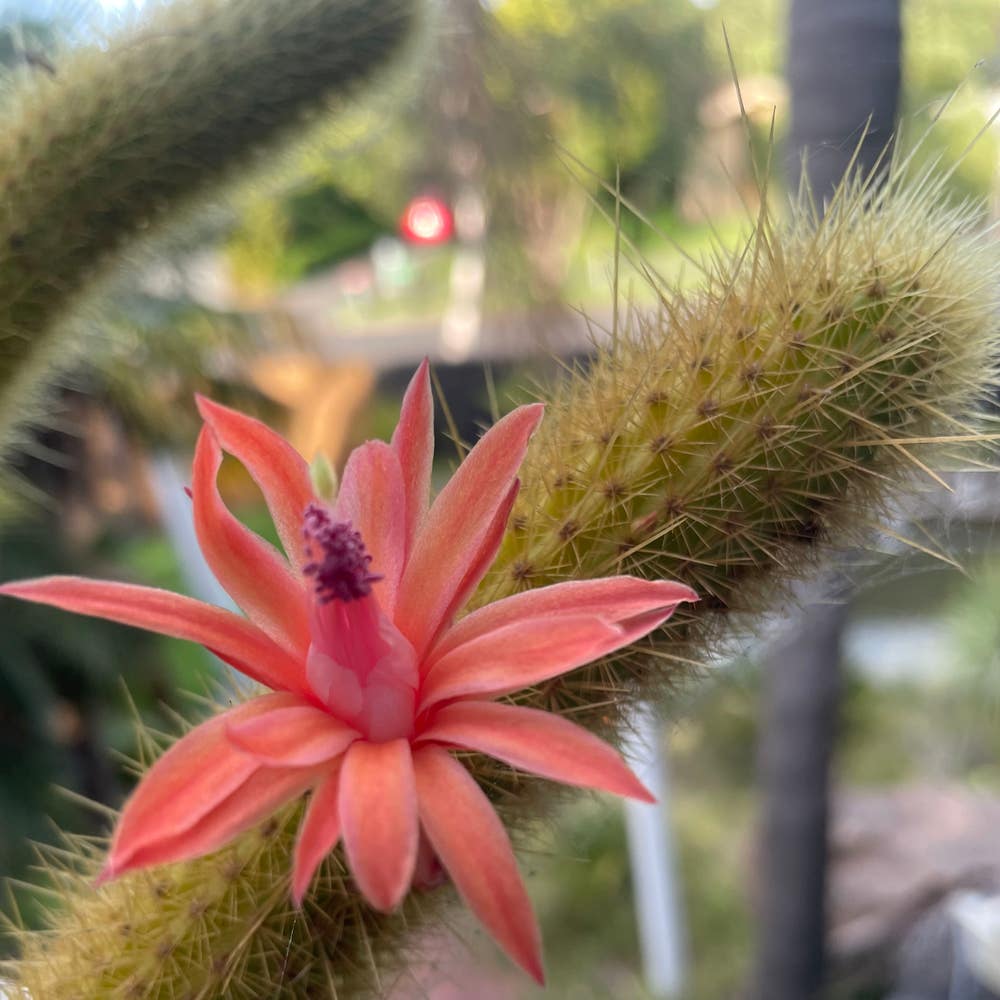
Why Are My Golden Rat Tail Leaves Dropping?
Cleistocactus winteri
By the Greg Editorial Team
Jun 18, 2024•5 min read
This article was created with the help of AI so we can cover more plants for you. May contain errors. See one? Report it here.
Prevent leaf loss and keep your Golden Rat Tail thriving 🌿 with these crucial, easy-to-follow care strategies!
- Over/underwatering? Look for yellow, swollen or wrinkled leaves.
- Maintain 65°F-75°F and humidity with pebble trays or humidifiers.
- Fertilize during growing season with balanced NPK ratio.
Spotting the Signs: When Your Golden Rat Tail Is Unhappy
💧 Overwatering Woes
Yellow, swollen leaves that burst at a touch? Your Golden Rat Tail might be drowning in excess water. Roots turning brown or black signal a serious SOS.
Quick fixes? Unpot the plant, inspect the roots, and let the soil dry. Act fast to avoid a plant funeral.
🏜️ The Thirsty Plant: Underwatering Symptoms
Wrinkled, lackluster leaves and bone-dry soil scream dehydration. Your plant's thirstier than a camel on a desert trek.
Revive it with a thorough soak. Submerge the pot for 5-10 minutes, and wait for the topsoil to feel moist. Remember, it's a succulent; it can go without water, but don't push your luck.
🌡️ Feeling the Heat: Temperature and Humidity Stress
If your Golden Rat Tail's growth has stalled and the stems feel mushy, it's likely too hot to handle. Temperature and humidity swings can stress your plant out more than a cat in a room full of rocking chairs.
Create a tropical haven with stable temperatures and a humidity boost. Think rainforest vibes, minus the monkeys.
🍽️ Hungry for Nutrients: Spotting Deficiencies
New growth turning yellow faster than a traffic light? It's a red flag for nutrient deficiency.
Feed your plant the good stuff. Choose a balanced fertilizer and follow the label like it's a treasure map to plant nirvana.
🐛 Bug Battles: Dealing with Pests
Leaves dropping faster than beats at a rave might mean pests are gatecrashing. Inspect your plant for uninvited guests.
Win the battle with safe pest control methods. Remember, prevention is better than cure, so keep those routine checks tighter than a drum.

Watering Wisdom: Striking the Right Balance
💧 Perfecting Your Pour
Golden Rat Tail plants are as quirky as their name suggests, especially when it comes to their watering needs. To prevent leaf drop, water only when the top inch of soil is dry. This method, known as the 'soak and dry' technique, ensures that the roots get enough moisture without becoming waterlogged. Remember, these plants are more forgiving of neglect than they are of overindulgence.
🌱 Soil and Drainage Savvy
Choosing the right soil mix is like picking a mattress for a good night's sleep—it needs to be just right. For your Golden Rat Tail, aim for a well-draining mix that still retains some moisture. Think cactus or succulent mix with a bit of added perlite or pumice for that extra drainage punch. And when it comes to pots, always opt for ones with drainage holes. No one likes wet feet, least of all your plant.

Climate Control: Crafting the Perfect Environment
🌡️ Temperature Tweaks
Golden Rat Tail plants crave warmth, but they don't want to bake. Keep temperatures between 65°F and 75°F (18°C to 24°C) to hit their sweet spot. Steer clear of cold drafts and direct blasts from heating vents, which can send your plant into a tailspin.
💦 Humidity Hacks
These tropical treasures need humidity like we need air. Boost humidity by placing a pebble tray with water beneath the pot or running a nearby humidifier. This way, you'll create a mini oasis without turning your home into a rainforest. Avoid the extremes; too much moisture invites fungal nightmares, too little and your plant's leaves will crisp up like fall foliage.

Feeding Finesse: Nutrient Know-How
💡 Choosing the Right Fertilizer
Selecting the right fertilizer for your Golden Rat Tail is akin to picking the perfect outfit for a high-stakes interview. It's got to be just right. A balanced fertilizer with an even NPK ratio is a solid choice, ensuring your plant gets an equal share of nitrogen, phosphorus, and potassium. Think of it as the plant equivalent of a well-rounded diet.
Organic options like fish bone meal or compost are the slow-release energy bars of the plant world. They not only feed your plant but also improve soil structure. Remember, the form of fertilizer—liquid, granular, tablet—is your call. Liquids act fast, while granules are the long game.
🍽️ Fertilizing Frequency
When it comes to how often to fertilize, think of it as a regular health check-up rather than an emergency room visit. Over-fertilization is the silent killer, akin to overindulgence at an all-you-can-eat buffet. Stick to a schedule that aligns with your plant's growth stage and watch for its response.
In general, fertilizing during the growing season is sufficient, and always water your plant before feeding to avoid root burn. Adjust the frequency as needed, but remember, it's easier to ramp up than dial back. Keep an eye on the seasons and your plant's life cycle, tweaking your approach as you would your wardrobe—appropriate and aware.
Pest Patrol: Keeping Critters at Bay
🐞 Natural and Chemical Defenses
Regular monitoring is the cornerstone of pest control for your Golden Rat Tail. Vigilance allows you to catch invaders early. Introducing beneficial insects such as ladybugs can naturally curb pest populations. For hands-on plant parents, physically removing pests or rinsing the plant can be effective. When these methods fall short, insecticidal soaps or neem oil are your next line of defense. They're tough on pests but gentle on plants. Always adhere to label instructions to prevent resistance.
🚫 Preventative Practices
Prevention is your best strategy against pests. Inspect your plant frequently; it's like a routine health check-up. Keep the surrounding area tidy, removing any fallen leaves or debris. This discourages pests from settling in. If you spot any, act swiftly with a targeted approach. Remember, a healthy Golden Rat Tail is less inviting to pests. Make pest control a part of your regular plant care routine, and you'll keep those tiny terrors at bay.
⚠️ Safety First
This content is for general information and may contain errors, omissions, or outdated details. It is not medical, veterinary advice, or an endorsement of therapeutic claims.
Always consult a qualified healthcare professional before using any plant as food, medicine, or supplement.
Never eat any plant (or feed one to pets) without confirming its identity with at least two trusted sources.
If you suspect poisoning, call Poison Control (800) 222-1222, the Pet Poison Helpline (800) 213-6680, or your local emergency service immediately.
Spotted an error? Please report it here.
Prevent those Golden Rat Tail leaves from dropping and ensure a happy 🌞 plant by letting Greg tailor your care routine to perfection!