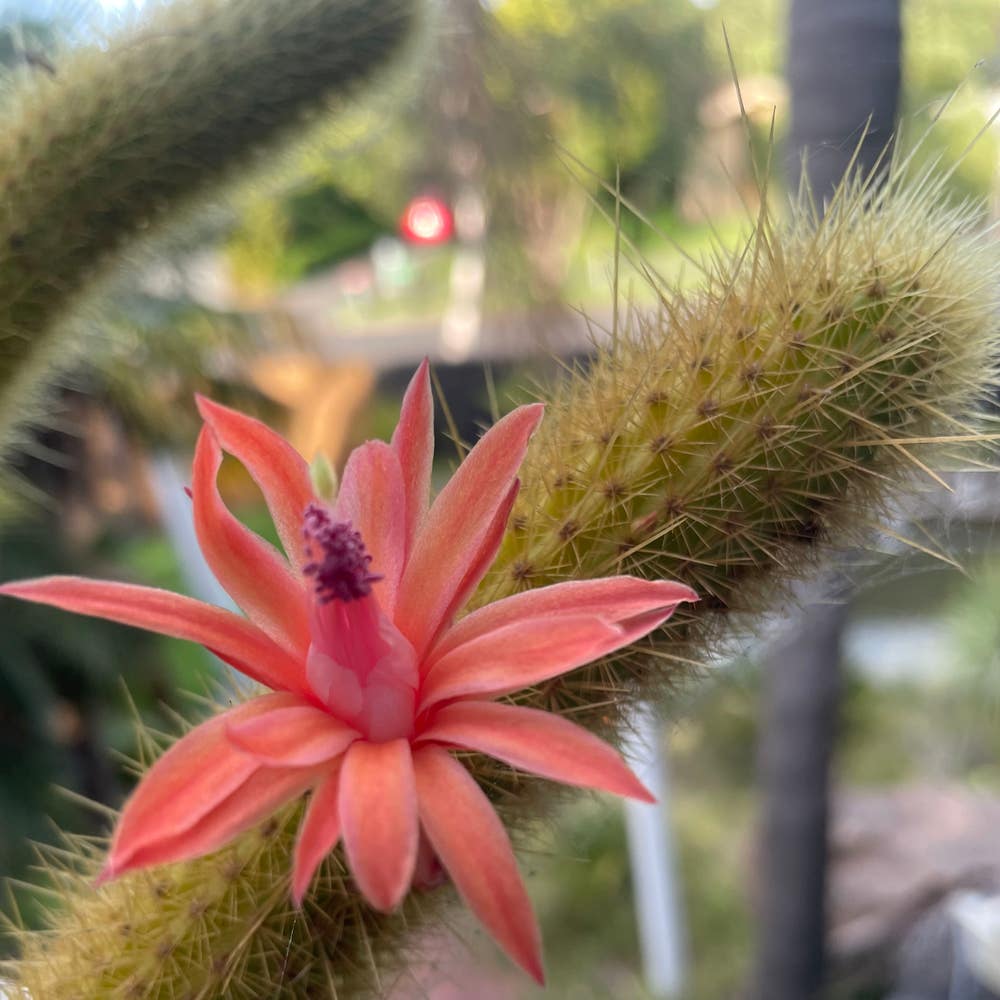
Propagating Golden Rat Tail: Step-by-Step Guide
Cleistocactus winteri
By the Greg Editorial Team
Jun 18, 2024•4 min read
This article was created with the help of AI so we can cover more plants for you. May contain errors. See one? Report it here.
Propagate your own Golden Rat Tail 🌵 and turn your space into a desert oasis with this easy-to-follow guide!
- Choose healthy stems or leaves for successful propagation, ideally in spring/summer.
- Callus formation is key to protect cuttings from rot and disease.
- Monitor environment closely for light, moisture, and pests to ensure growth.
Snip and Plant: Stem Cuttings
🌱 Choosing Your Champion Stem
Identifying healthy stems is crucial for successful propagation. Look for stems that are vibrant and sturdy, showing no signs of pests or disease. Timing is key; the ideal period for snipping is during active growth, usually in spring or early summer.
🛠 Prepping Your Stem Cuttings
Once you've selected your stem, it's time to make the cut. Use clean, sharp shears or a knife to snip just below a node, about a quarter-inch to ensure a clean cut. After cutting, let the stem dry out for a few days to allow a callus to form over the wound—this is your cutting's armor against rot.
🌱 Planting and Caring for Stem Cuttings
Choose a well-draining soil mix and plant your cuttings. Water sparingly to keep the soil moist but not soggy, and provide plenty of indirect light. Covering the cuttings with a plastic bag can create a greenhouse effect, but remember to let them breathe every few days to prevent mold. Patience is essential as roots develop; resist the urge to tug at the cuttings to check for growth.

Leaf it to Grow: Leaf Cuttings
🌱 Selecting Leaves for Propagation
When eyeing potential leaves for propagation, plumpness and a healthy color are your go-tos. Steer clear of leaves that look like they've been through a rough patch—spots, blemishes, or any pest damage are big no-nos.
🩹 The Callusing Process
After snipping your chosen leaf, let it chill out in the open. This isn't laziness; it's strategic. You're giving it time to form a callus, which is basically a plant scab. This step is non-negotiable—it's the plant's natural band-aid, protecting the wound from rot and disease.
🌱 Rooting Your Leaf Cuttings
Lay your callused leaves on well-draining soil like they're sunbathing at the beach. Keep the soil slightly moist and the area bright, but not so sunny that you'd need SPF 50. Patience is key here; roots and baby plants don't like to be rushed. Keep an eye on the moisture level—too much and you're in for a rot fest, too little and your propagation dreams will shrivel up.

Baby Steps: Propagating Offsets
🌱 Finding and Separating Offsets
Golden Rat Tail "pups" are your ticket to propagation without the wait. Spot these offsets huddled around the base of the parent plant, flaunting their own roots like a toddler's first steps.
Gently coax them away from the mother plant. If they're stubborn, a clean snip with sharp scissors will do, but treat it like surgery—precision is key. Let the cut dry for a day; it's the plant equivalent of a band-aid.
🌱 Planting and Nurturing Offsets
Potting your offsets is like setting up a nursery. Use well-draining soil to avoid waterlogged roots, which spell disaster for these babies.
Water sparingly at first—think of it as teaching them to sip, not gulp. Gradually increase as they establish, like easing a kid into the deep end of the pool. Keep them in bright, indirect light; direct sun is a no-go, like sunscreen on a beach day.

Overcoming Propagation Pitfalls
🌱 Common Propagation Hiccups
In the quest to propagate the Golden Rat Tail, rot and pests can crash the party. If your cuttings turn to mush, you've likely overwatered or neglected drainage. Snip the affected area and start over, this time with a lighter touch on the watering can. No roots? Check if your cuttings are soaking up enough warmth and light. Sterilize your tools to fend off fungal gatecrashers, and aim for soil that's moist, not marshy.
🌿 Ensuring Propagation Success
To nail propagation, tweak the environment like a backstage tech at a rock concert. Good air circulation is your invisible bouncer, keeping fungal spores out. Keep your propagation station cleaner than a lab—sterilize everything. And remember, consistency is your drumbeat. Monitor temperature and humidity like a hawk. If roots are playing hide-and-seek, reassess your lighting and temperature setup. They're the main act in this growth gig.
⚠️ Safety First
This content is for general information and may contain errors, omissions, or outdated details. It is not medical, veterinary advice, or an endorsement of therapeutic claims.
Always consult a qualified healthcare professional before using any plant as food, medicine, or supplement.
Never eat any plant (or feed one to pets) without confirming its identity with at least two trusted sources.
If you suspect poisoning, call Poison Control (800) 222-1222, the Pet Poison Helpline (800) 213-6680, or your local emergency service immediately.
Spotted an error? Please report it here.
Ensure your Golden Rat Tail cuttings flourish by following this guide and using Greg's tailored reminders 🌱 for the perfect watering and care schedule.