🌵 When and Where Should I Trim My Golden Rat Tail?
Cleistocactus winteri
By the Greg Editorial Team
Jun 18, 2024•5 min read
This article was created with the help of AI so we can cover more plants for you. May contain errors. See one? Report it here.
Prune your Golden Rat Tail 🌵 to perfection—timing and technique unlock its full, quirky potential!
- Trim when leggy or damaged, typically in late winter or early spring.
- Prune at nodes for health, choosing between light shaping or hard pruning.
- Post-trim care is crucial: avoid water, monitor health, and expect new growth soon.
Spotting the Signs: When Your Golden Rat Tail Needs a Trim
🌵 Recognizing Overgrowth and Legginess
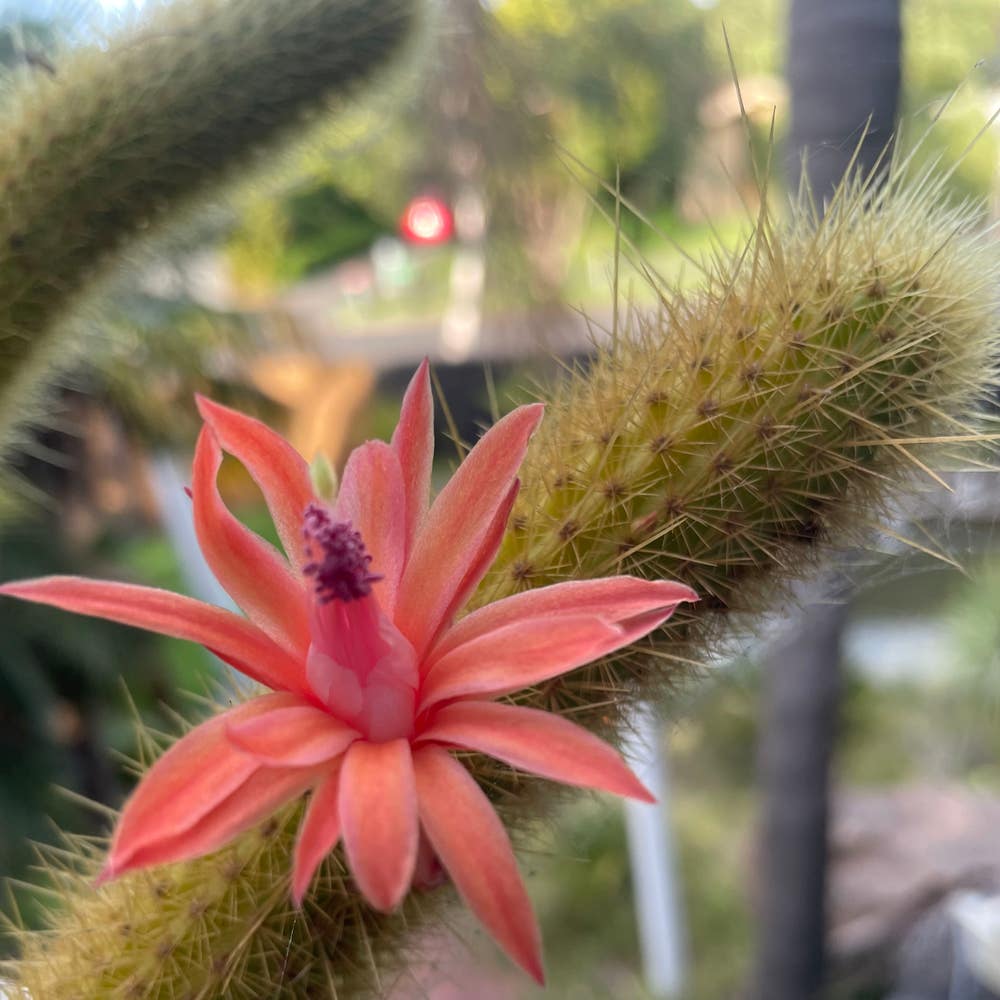
Golden Rat Tail cacti are known for their luscious locks, but when they start resembling a bad hair day more than a quirky plant, it's time for a trim. Legginess—when the plant stretches towards the light, leaving awkward gaps between segments—is a clear sign your cactus could use a haircut.
🚫 Identifying Dead or Damaged Segments
Keep an eye out for sections that are more brown than golden. These crispy critters are dead or damaged and need to go. If you spot stems that look like they've been through a desert storm, it's time to wield the shears.
🌱 Understanding Seasonal Growth Patterns
Your Golden Rat Tail has its own rhythm, growing more actively in some seasons than others. Winter dormancy is like its hibernation period, so hold off on the pruning. Come spring, it's ready to grow with gusto, making it the ideal time to freshen up its form.

Timing is Everything: Best Seasons for Pruning
🌱 Why Late Winter or Early Spring Works Best
Pruning your Golden Rat Tail in late winter or early spring sets the stage for a season of vigorous growth. This timing aligns with the plant's natural cycle, allowing it to heal quickly and channel energy into new growth as temperatures rise.
🌸 How Pruning Times Affect Flowering and Growth
Pruning during the plant's dormant phase minimizes stress and maximizes its potential for flowering. Strategic cuts made before the growth season encourage a bushier plant and more blooms, turning your Golden Rat Tail into a show-stopper.
🏡 Adjusting Pruning Schedules for Indoor vs. Outdoor Plants
For indoor Golden Rat Tails, consider the microclimate. If your plant enjoys consistent warmth and light, you have more flexibility in timing. Outdoor plants, however, should be pruned according to the seasons to prevent damage from extreme weather.

Making the Cut: Where to Prune Your Golden Rat Tail
🌱 Targeting the Right Spots for Healthier Growth
Pruning your Golden Rat Tail isn't just about hacking away at overgrowth—it's a strategic game of chess. Look for nodes, the joints on the stems, as these are your pruning GPS. A cut just above these points encourages new branches to form. Aim for sections that are overgrown or disrupting the plant's natural cascading habit.
🌿 Deciding Between Light Shaping and Hard Pruning
There's a fine line between giving your plant a trim and a full-on haircut. Light shaping is like a quick tidy-up, snipping ends to maintain the plant's shape. Hard pruning, on the other hand, is more drastic. It's reserved for overgrown plants that need a serious size reduction. Be bold but not reckless; over-pruning can stress your plant.
🌳 Avoiding Common Mistakes in Pruning Placement
It's easy to get snip-happy, but remember, every cut matters. Avoid cutting too close to the node; leave about a quarter-inch to prevent damage. Also, steer clear of "topping" the plant—randomly cutting the tops off can lead to a sad, stubby appearance. And always use clean, sharp tools to prevent infection and ensure smooth cuts.

Pruning with Precision: Techniques for the Golden Rat Tail
🌿 Choosing the Right Tools for Delicate Cuts
Sharpness is non-negotiable. You'll want precision pruners or micro snips that fit snugly in your hand. Think surgical tools, not lumberjack gear. Clean cuts are crucial; they prevent disease and speed healing. Keep those blades sterile—a quick swipe with rubbing alcohol does the trick.
📐 Step-by-Step Guide to Pruning Your Plant
- Inspect your Golden Rat Tail for overgrown or wayward segments.
- Sanitize your tools. A dirty blade is a one-way ticket to infection city.
- Snip above a node at a 45-degree angle. This is where new growth will sprout.
- Remove dead or damaged segments with a sense of purpose—no dilly-dallying.
- Thin out dense areas to let light and air play tag among the leaves.
- Step back and admire your handiwork. Pruning is part art, part science.
🌱 Encouraging Bushier Growth Through Strategic Cuts
To get that lush, bushy vibe, think like a hairdresser shaping a bouffant. Pinch back the tips of young shoots to encourage branching. This isn't a hack job; it's a calculated effort to increase volume. And remember, less is more. Overzealous cuts can leave your plant looking like it's had a run-in with a lawnmower. Aim for balance—a plant that's full without being crowded.
After the Snip: Ensuring a Speedy Recovery
💧 Immediate Aftercare: Watering and Light Adjustments
Right after pruning, hold off on watering your Golden Rat Tail. This gives the plant a chance to heal its fresh cuts without the risk of water-related stress or disease. When you do resume watering, maintain the usual routine but be vigilant about the soil's moisture level.
Bright, indirect light is the sweet spot for your plant's recovery phase. Too much direct sunlight can be harsh on the tender spots where cuts were made. Keep the plant in a stable environment to avoid stressing it with temperature fluctuations.
🚨 Monitoring for Signs of Stress or Disease
Post-prune vigilance is crucial. Watch for discoloration or wilting—these are red flags that your plant is in distress. If you spot trouble, don't hesitate to tweak the watering schedule or adjust the lighting. It's all about responding to the plant's needs in real-time.
Remember, recovery doesn't happen overnight. Patience is key. Celebrate new sprouts when they appear; they're the first sign that your plant is on the mend.
🌱 When to Expect New Growth Post-Pruning
New growth can be expected within a few weeks if the plant is happy with its care. If you don't see any progress, it might be time to reassess your approach. Ensure you're not overwatering and that the plant is getting the right amount of light. Each new sprout is a victory, a clear sign that your Golden Rat Tail is thriving once again.
⚠️ Safety First
This content is for general information and may contain errors, omissions, or outdated details. It is not medical, veterinary advice, or an endorsement of therapeutic claims.
Always consult a qualified healthcare professional before using any plant as food, medicine, or supplement.
Never eat any plant (or feed one to pets) without confirming its identity with at least two trusted sources.
If you suspect poisoning, call Poison Control (800) 222-1222, the Pet Poison Helpline (800) 213-6680, or your local emergency service immediately.
Spotted an error? Please report it here.
Ensure your Golden Rat Tail is pruned to perfection 🌵 with Greg's tailored care reminders, helping you snip at just the right time for that golden flourish.