Ultimate Guide to Pollinating Golden Rat Tail 🐝
Cleistocactus winteri
By the Greg Editorial Team
Sep 30, 2024•6 min read
This article was created with the help of AI so we can cover more plants for you. May contain errors. See one? Report it here.
Master pollination techniques to ensure your Golden Rat Tail thrives and flourishes! 🌱✨
- 🌼 Cross-pollination boosts Golden Rat Tail's resilience and genetic diversity.
- 🐝 Pollinators like bees are essential for successful reproduction and fruit production.
- 🌱 Hand pollination during peak flowering maximizes fertilization chances for Golden Rat Tail.
Self-Pollination vs. Cross-Pollination
🌱 Determining Pollination Type
Golden Rat Tail is a fascinating plant that thrives on cross-pollination. Understanding this process is essential for anyone looking to cultivate it successfully.
Cross-pollination not only aids in reproduction but also enhances genetic diversity. This diversity is vital for the plant's resilience and adaptability.
🌼 Importance of Understanding Pollination for Optimal Health
Pollination plays a crucial role in the overall health of Golden Rat Tail. It directly impacts reproduction and the yield of fruits and seeds.
By grasping the intricacies of pollination, you can better support the plant's growth and vitality. This knowledge empowers you to create a thriving environment for your Golden Rat Tail.
As we delve deeper into the flower structure, you'll discover how its unique anatomy further facilitates this essential process.
Flower Structure
Description of Flower Anatomy 🌼
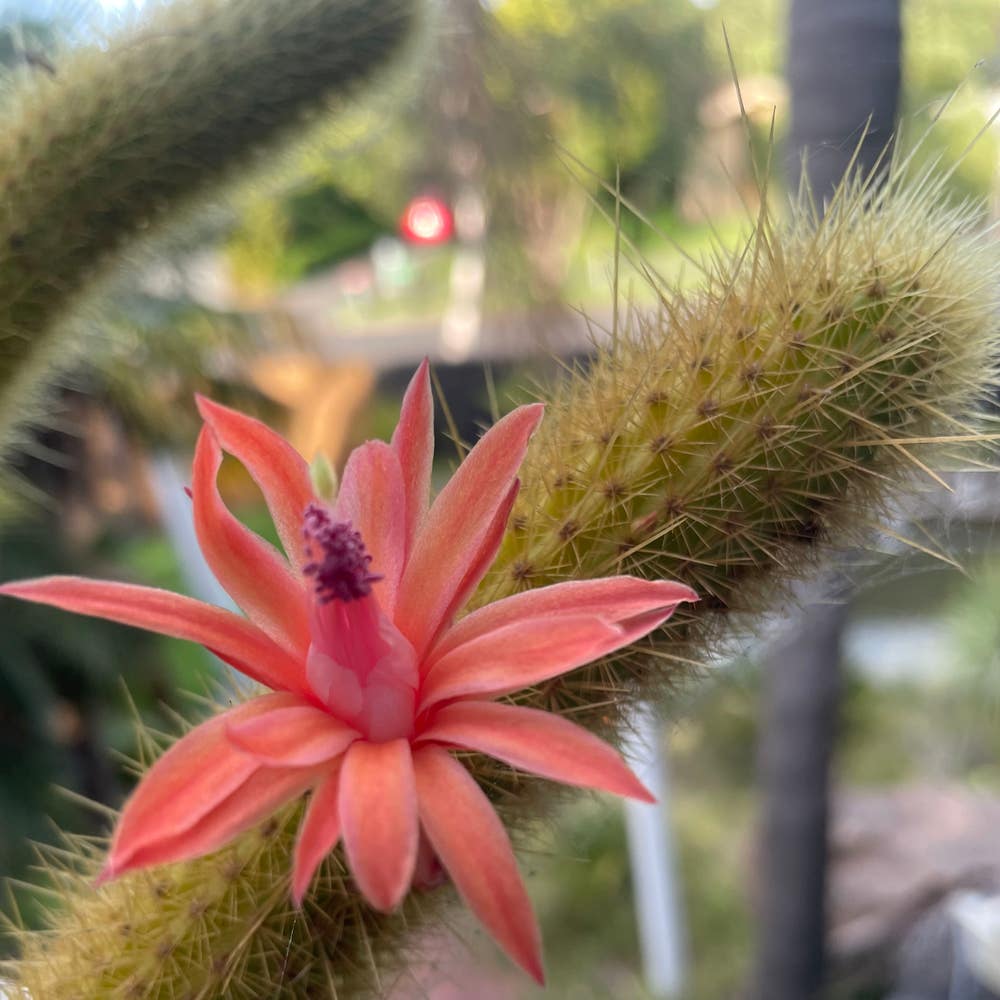
Golden Rat Tail features elongated, tubular flowers that closely resemble rat tails. Their vibrant hues are not just for show; they play a crucial role in attracting pollinators.
The flowers are arranged in clusters, making them more visible and accessible to visiting pollinators. This strategic arrangement enhances the chances of successful pollen transfer.
Role of Flower Structure in Pollination 🐝
The unique anatomy of these flowers is designed for effective pollen transfer. This structure attracts a variety of pollinator species, including bees and butterflies, which are essential for the plant's reproductive success.
By understanding the flower's design, you can appreciate how it supports the overall health and yield of Golden Rat Tail. This knowledge empowers you to create an environment that fosters successful pollination.
As we delve deeper into the natural pollination process, you'll see how these flowers interact with their environment to thrive.
Natural Pollination
🌼 Mechanisms of Pollen Transfer
Golden Rat Tail thrives on cross-pollination, primarily relying on pollinators like bees and butterflies. These busy visitors transfer pollen from the male stamens to the female pistils, ensuring successful reproduction.
Wind can also play a minor role in this process, but it’s the pollinators that truly make the magic happen. Their movements are essential for effective pollen dispersal, allowing the plant to flourish.
🌱 Importance of Pollination for Reproduction and Genetic Diversity
Successful pollination is crucial for producing fruit and seeds, which are vital for the plant's lifecycle. This process not only supports the Golden Rat Tail but also enhances genetic diversity, contributing to healthier ecosystems.
By fostering a diverse gene pool, the plant can adapt better to environmental changes. This resilience is key to thriving in various conditions, making pollination a cornerstone of its survival.
Hand Pollination
Step-by-Step Instructions for Hand Pollination 🌼
Hand pollination can significantly enhance the reproductive success of Golden Rat Tail. Here’s how to do it effectively:
Identify Male and Female Flower Parts:
- Male: Look for the stamens, which are the parts that produce pollen.
- Female: Find the pistil, characterized by its stigma, which receives the pollen.
Collect Pollen:
- Gently tap or brush the stamens using a small tool, like a cotton swab, to gather the pollen. This step is crucial for ensuring you have enough pollen for transfer.
Transfer Pollen:
- Carefully apply the collected pollen to the stigma of the female flower. Make sure to cover the stigma well for the best chance of successful fertilization.
-
- Perform this process during peak flowering periods. This timing maximizes the chances of successful pollination, as flowers are most receptive then.
Identifying Male and Female Flower Parts 🔍
Recognizing the differences between male and female flowers is essential for effective hand pollination.
- Visual Cues: Male flowers typically have longer stamens, while female flowers are often larger and positioned lower on the plant.
- Positioning: Pay attention to where the flowers are located; male flowers usually cluster at the top, while female flowers are found lower down.
Understanding these distinctions will make your hand pollination efforts more successful. With the right techniques, you can help ensure the health and yield of your Golden Rat Tail plants.
As you embark on this hand pollination journey, remember that every little effort counts in supporting the plant's reproduction. Next, let’s explore how to create a pollinator-friendly environment to further enhance your gardening success.
Supporting Pollinators
🌼 Creating a Pollinator-Friendly Environment
To boost pollination for your Golden Rat Tail, start by planting a variety of flowering species. This diversity attracts a range of pollinators, from bees to butterflies, ensuring your plants get the attention they need.
Additionally, providing water sources and shelter is crucial. Simple features like shallow dishes filled with water or small brush piles can create a welcoming habitat for these essential creatures.
🌻 Companion Plants to Attract Beneficial Pollinators
Choosing the right companion plants can significantly enhance pollination success. Consider planting species like lavender, marigolds, or sunflowers alongside your Golden Rat Tail.
These plants not only thrive in similar conditions but also draw in beneficial pollinators. By creating a vibrant ecosystem, you’ll support the health of your plants and the local environment.
Incorporating these strategies will foster a thriving pollinator community, ensuring your Golden Rat Tail flourishes. Next, let’s explore the challenges that can arise during the pollination process and how to overcome them.
Pollination Challenges
Common Obstacles to Successful Pollination 🌧️
Pollination can be a tricky business for Golden Rat Tail. Environmental factors like temperature fluctuations and humidity levels can significantly impact the process, making it harder for pollinators to do their job.
Additionally, a lack of pollinator activity can be a major hurdle. If bees and butterflies aren’t buzzing around, the chances of successful pollination drop dramatically.
Solutions for Overcoming Pollination Challenges 💪
Fortunately, there are several strategies to help overcome these challenges. First, adjusting your watering practices can make a big difference; overwatering can create unfavorable conditions for both plants and pollinators.
Next, consider planting additional flowering species. This not only attracts more pollinators but also creates a vibrant ecosystem that supports your Golden Rat Tail.
Lastly, keep an eye on environmental conditions. Monitoring temperature and humidity allows you to make necessary adjustments, ensuring a more conducive environment for pollination.
By addressing these challenges proactively, you can enhance the pollination success of your Golden Rat Tail and contribute to a thriving garden ecosystem.
⚠️ Safety First
This content is for general information and may contain errors, omissions, or outdated details. It is not medical, veterinary advice, or an endorsement of therapeutic claims.
Always consult a qualified healthcare professional before using any plant as food, medicine, or supplement.
Never eat any plant (or feed one to pets) without confirming its identity with at least two trusted sources.
If you suspect poisoning, call Poison Control (800) 222-1222, the Pet Poison Helpline (800) 213-6680, or your local emergency service immediately.
Spotted an error? Please report it here.
Boost your Golden Rat Tail's pollination success 🌼 with Greg's tailored tips and reminders, ensuring a flourishing garden and happy pollinators!