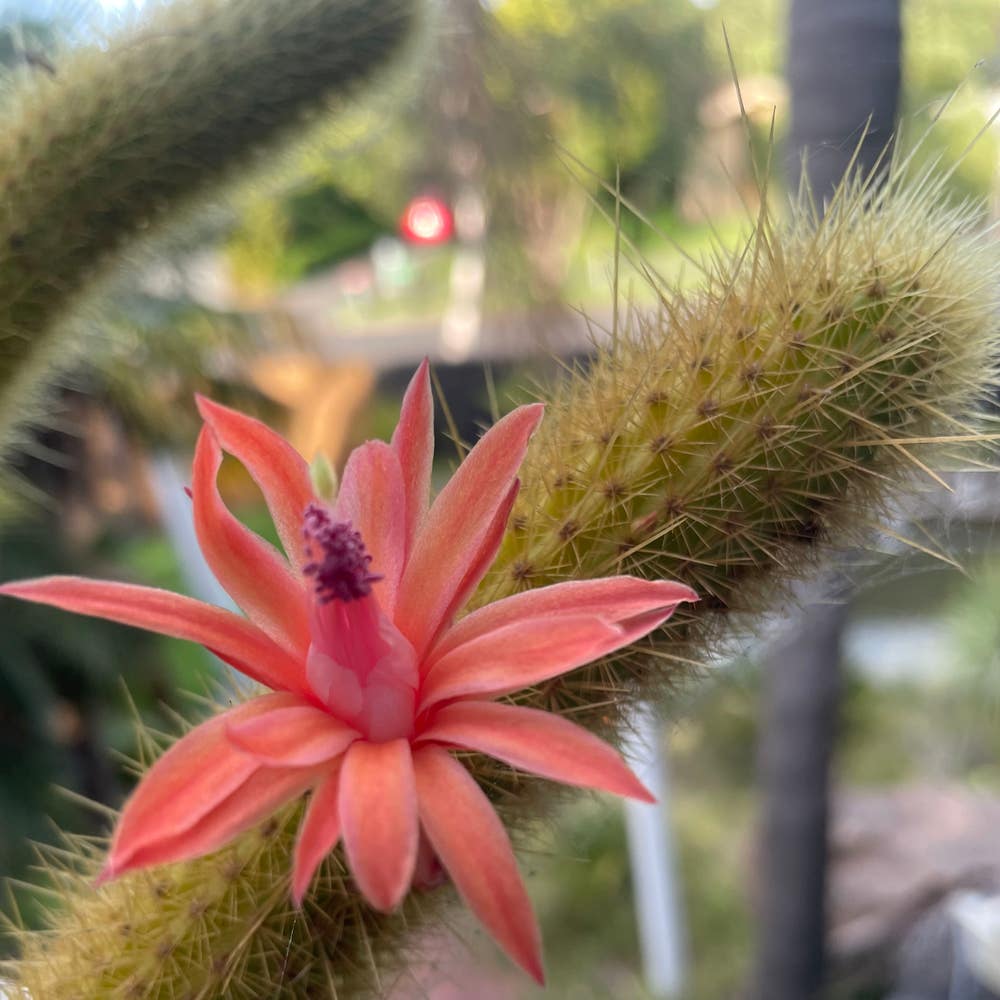
4 Tips for Healthy Golden Rat Tail Roots 🐀
Cleistocactus winteri
By the Greg Editorial Team
Sep 30, 2024•6 min read
This article was created with the help of AI so we can cover more plants for you. May contain errors. See one? Report it here.
Master the unique root system of Golden Rat Tail plants for vibrant growth! 🌱
- 🌱 Healthy Golden Rat Tail roots enhance nutrient uptake and resist drought effectively.
- 💧 Allow soil to dry slightly between waterings to promote robust root growth.
- ⚠️ Signs of root rot include wilting and foul odors; act quickly to save plants.
Characteristics of Root System
🌱 Type of Root System
The Golden Rat Tail boasts a fibrous root system, characterized by a dense network of thin roots. This structure allows for efficient nutrient and water uptake, making it adaptable to various soil conditions.
📏 Root Depth and Spread
Typically, the roots extend 12-18 inches (30-45 cm) deep and can spread up to 2 feet (60 cm) in diameter. They exhibit rapid lateral growth, enabling the plant to explore a wide area for essential resources.
Understanding these characteristics is crucial for ensuring the health and vitality of your Golden Rat Tail. With the right care, these roots can thrive, setting the stage for a flourishing plant.
Watering, Fertilizing, and Transplanting
🌱 How Root System Affects Watering Needs
The fibrous root system of Golden Rat Tail plants requires careful watering. Allow the soil to dry slightly between waterings to promote healthy root growth.
Proper drainage is crucial. It prevents waterlogging, which can lead to root rot and other issues.
🌿 Fertilization Techniques Tailored to Root Health
For optimal growth, use a balanced NPK fertilizer, such as 10-10-10, during the growing season. Apply it every 4-6 weeks to keep nutrients flowing.
Organic options like compost or worm castings can significantly enhance soil health. They provide essential nutrients while improving soil structure.
🌍 Best Practices for Transplanting
Transplanting can be a delicate process, so timing is key. Aim for early spring or fall to minimize stress on the plant.
Follow these steps for a successful transplant:
- Prepare the new planting hole, making it twice the width of the root ball.
- Gently remove the plant from its current pot.
- Place it in the new hole and backfill with soil.
- Water thoroughly after transplanting to help settle the roots.
By following these guidelines, you can ensure your Golden Rat Tail thrives in its new environment. Next, let’s explore common root-related issues and how to tackle them effectively.
Common Root-Related Issues
🕵️♂️ Identifying Root Rot and Its Causes
Root rot can be a sneaky adversary for your plants. Look out for symptoms like wilting, yellowing leaves, and a foul odor emanating from the soil.
The primary culprits behind root rot are overwatering, poor drainage, and compacted soil. These factors create a perfect storm for roots to suffocate and decay.
🛠️ Solutions for Root-Related Problems
If you suspect root rot, act quickly. Start by removing the affected roots and repotting the plant in fresh, well-draining soil.
Adjusting your watering schedule is crucial to prevent recurrence. Allow the soil to dry out slightly between waterings to keep roots healthy.
🚫 Preventative Measures for Healthy Roots
Prevention is always better than cure. Regularly check soil moisture levels to ensure your plants aren’t sitting in soggy conditions.
Using pots with drainage holes is essential for promoting healthy roots. Additionally, incorporating organic matter into your soil can significantly improve its structure and drainage capabilities.
By taking these steps, you can maintain vibrant, thriving roots that support your plants' overall health. Now that you’re equipped to tackle root-related issues, let’s explore the indicators of root health next.
Indicators of Root Health
🌱 Visual Cues of Healthy Roots
Healthy roots are a gardener's best friend. Look for roots that are white and firm, signaling vitality and strength.
When roots fill the pot without becoming tangled, it indicates they are thriving and have ample space to grow. This is a good sign that your plant is well-cared for.
🚨 Signs of Unhealthy Roots
On the flip side, dark and mushy roots are a red flag. These symptoms often accompany a foul smell and stunted growth, indicating serious issues.
Regular root inspections are crucial. Catching problems early can save your plant from further stress and potential decline.
By staying vigilant, you can ensure your golden rat tail roots remain healthy and robust, setting the stage for vibrant growth.
Stress Factors and Resilience
🌱 Role of Roots in Plant Health and Growth
Roots are the lifeline of any plant. They play a crucial role in nutrient uptake, which is essential for overall plant vigor.
Additionally, roots are vital for water absorption, especially during dry spells. A robust root system ensures that plants can thrive even under stress.
🌵 How Roots Help Withstand Drought and Pests
Deep and widespread root systems are adaptations that allow plants to access moisture from various soil layers. This capability is key for surviving drought conditions.
Healthy roots also contribute to pest resistance. Strong roots support overall plant strength, making them less susceptible to infestations.
🛠️ Strategies for Enhancing Root Resilience
One effective strategy is mulching. It helps retain soil moisture and regulates temperature, creating a more stable environment for roots.
Soil amendments are another way to boost root health. They improve drainage and enhance nutrient availability, ensuring that roots have everything they need to flourish.
By focusing on these strategies, you can significantly enhance the resilience of your plant's root system. This sets the stage for healthier plants that can withstand various stress factors.
Rootbound Plants
Definition and Signs of Rootbound Conditions 🌱
Rootbound plants have roots that circle the pot, leading to limited growth. Common symptoms include stunted growth, yellowing leaves, and poor water absorption.
When to Address Rootbound Issues ⏰
It's crucial to address rootbound conditions when roots start emerging from the drainage holes. Timely intervention can prevent stress and promote healthier growth.
Steps to Remedy Rootbound Plants 🛠️
- Gently remove the plant from its pot.
- Loosen the roots using your fingers or a tool.
- Repot the plant in a larger container with fresh soil.
- Water thoroughly and monitor for recovery.
By following these steps, you can rejuvenate your plant and ensure it thrives in its new environment. A little care goes a long way in maintaining healthy roots and vibrant growth.
Propagation and Division
🌱 Importance of Root Health in Propagation
Healthy roots are crucial for successful propagation and growth. Timing your propagation during the growing season maximizes the chances of thriving new plants.
✂️ Techniques for Dividing
To divide root clumps effectively, use a sharp, sterile knife. This method ensures clean cuts, reducing the risk of infection.
Steps for Division
- Remove the plant from its pot.
- Identify natural divisions in the root system.
- Cut carefully to separate sections.
- Replant immediately in suitable soil.
🛡️ Best Practices for Maintaining Root Integrity During Propagation
Minimize root disturbance by handling the roots with care during division.
Keep the soil slightly moist after replanting to encourage recovery and establish a healthy root system.
By following these steps, you can ensure that your plants not only survive but thrive, setting the stage for robust growth. Next, let’s explore how to recognize and address rootbound conditions to keep your plants healthy.
⚠️ Safety First
This content is for general information and may contain errors, omissions, or outdated details. It is not medical, veterinary advice, or an endorsement of therapeutic claims.
Always consult a qualified healthcare professional before using any plant as food, medicine, or supplement.
Never eat any plant (or feed one to pets) without confirming its identity with at least two trusted sources.
If you suspect poisoning, call Poison Control (800) 222-1222, the Pet Poison Helpline (800) 213-6680, or your local emergency service immediately.
Spotted an error? Please report it here.
Keep your Golden Rat Tail roots thriving 🌿 with Greg's tailored watering alerts and fertilization tips, ensuring they absorb nutrients effectively for a robust plant!