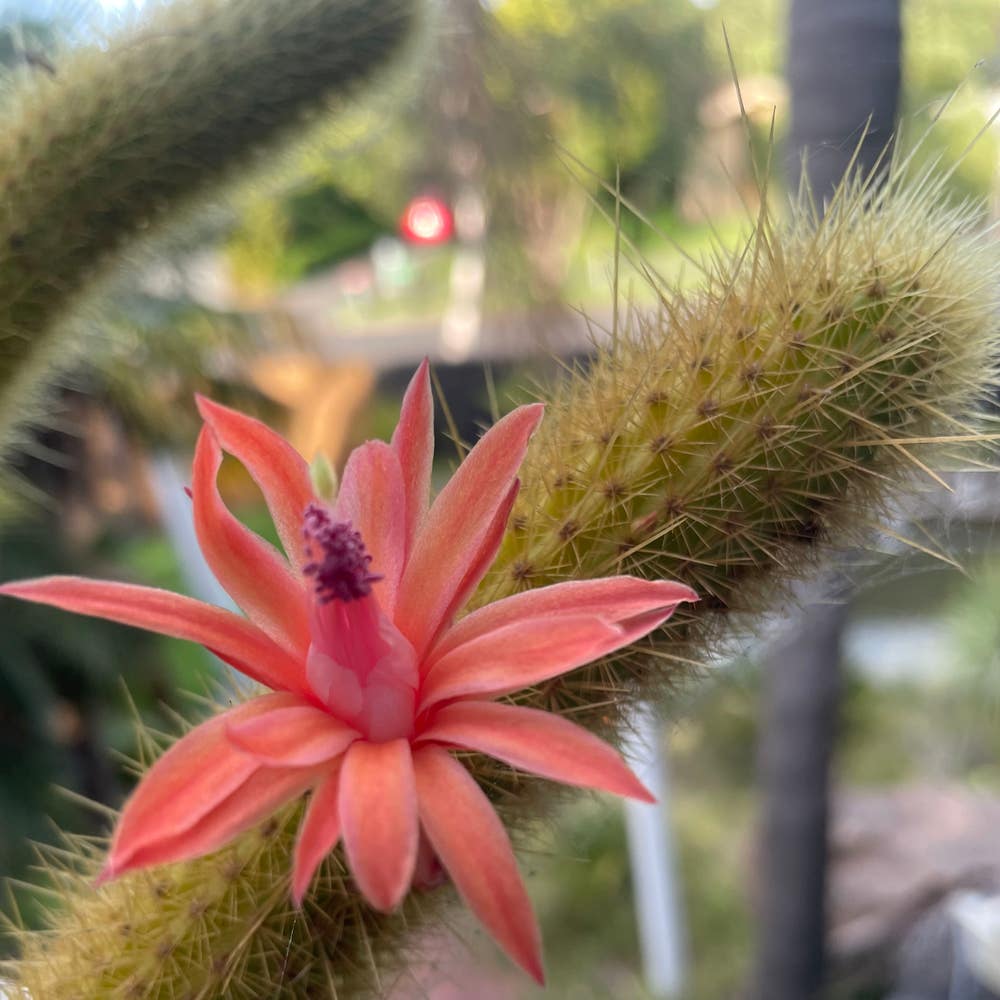
🌵 Best Potting Soil Mix for Golden Rat Tail
Cleistocactus winteri
By the Greg Editorial Team
Jun 18, 2024•4 min read
This article was created with the help of AI so we can cover more plants for you. May contain errors. See one? Report it here.
Unlock your Golden Rat Tail's potential 🌟 with this fail-proof soil mix recipe for unstoppable growth! 🌱
- Mold and squishy roots signal soil issues; adjust moisture and airflow.
- Well-draining mix with perlite or pumice is crucial for Golden Rat Tails.
- DIY mix recipe: 2 parts soil, 1 part perlite, sand, 0.5 worm castings.
Spotting Trouble: When Your Golden Rat Tail's Soil Goes Bad
🚨 Signs Your Soil is Unhappy
Mold on your Golden Rat Tail's soil isn't just ugly, it's a red flag. It whispers of excess moisture and poor air flow. Root health is a telltale sign too; if they're brown and squishy, your soil's in trouble. A healthy root should be firm and white.
🛠 Quick Fixes for Common Soil Issues
To kick mold to the curb, cut back on the H2O and crank up the circulation. Sunlight is mold's kryptonite—give your plant some rays. Persistent mold means it's time to repot with a fresh, sterile mix. Keep it on the leaner side moisture-wise to prevent an encore.
Adjusting moisture levels is crucial to avoid the dreaded root rot. If the soil feels like a swamp, it's time to dial back on watering. Air flow is your friend here, so make sure your plant isn't suffocating. If the roots are already rotting, it's emergency surgery time—trim the damage, repot, and pray for recovery.

The Perfect Blend: Components of the Ideal Golden Rat Tail Mix
🚰 Drainage is Key
Golden Rat Tails demand well-draining soil to flourish. Without it, you're signing up for a root rot disaster.
- Coarse sand or gravel is your go-to for creating quick water passage lanes.
- Perlite or pumice acts as the soil's air pockets, preventing soil compaction and ensuring roots aren't swimming in moisture.
💧 Balancing Moisture and Aeration
While drainage is non-negotiable, moisture retention can't be ignored. Roots need hydration, just not a bath.
- Organic materials like coco coir or compost offer a nutrient-rich hug for your plant's roots, holding moisture without suffocating them.
- Aeration is crucial for root health; think of it as the plant's breathing room. Mixing ingredients like pumice with your soil ensures roots get their oxygen fix.

DIY Soil Magic: Crafting Your Own Golden Rat Tail Mix
🌱 The Recipe for Success
Creating your own Golden Rat Tail potting mix is like becoming a plant chef; it's all about the right ingredients and proportions. Start with two parts potting soil as your base—think of it as the flour in your plant cake. Then, add one part perlite for that essential airy structure, ensuring your Rat Tail doesn't drown in moisture. Toss in one part coarse sand to enhance drainage, because nobody likes wet feet, least of all your cacti. For that nutritional oomph, sprinkle in half a part worm castings; it's the secret sauce for plant growth. Mix it all together until it's as uniform as your morning coffee blend.
🌿 Mixing and Storing Your Homemade Blend
Once you've got your ingredients measured, it's time to mix thoroughly. Use your hands or a tool to ensure there are no clumps or uneven patches—consistency is key. When storing your homemade mix, keep it in a cool, dry place in an airtight container. This will prevent unwanted pests and keep your mix fresh until your Golden Rat Tail is ready for a soil feast.
🧪 pH and Nutrients: Getting the Chemistry Right
pH balance is crucial for your Golden Rat Tail's nutrient uptake. Aim for a pH between 6.0 and 7.5; this is the sweet spot where nutrients are most available to your plant. To test the pH, you can use a simple soil test kit from your local garden store. If you need to adjust the pH, adding limestone can raise it, while sulfur can lower it. Remember, it's more of a tweak than an overhaul—gentle adjustments are better than drastic changes.
📏 How to Test and Adjust Soil pH for Golden Rat Tail
Testing your soil's pH is like checking the temperature before you dive in. Use a soil pH meter or test strips for a quick read. If you find the pH is off, don't panic. Adjusting is as simple as mixing in the right amendment and retesting. Keep an eye on the pH over time, because consistency is better than a one-hit wonder. Your Golden Rat Tail will show its gratitude through vigorous growth and that signature spiky charm.

When to Repot: Giving Your Golden Rat Tail a Fresh Start
🌵 Recognizing the Signs for a Soil Refresh
Your Golden Rat Tail cactus isn't just an ornament; it's a living entity that craves space and fresh soil. Repotting should be on your radar every other year, or when you notice roots making a break for it out of the pot's drainage holes. If the roots are circling the topsoil or staging an escape, it's time for a new pot. Don
⚠️ Safety First
This content is for general information and may contain errors, omissions, or outdated details. It is not medical, veterinary advice, or an endorsement of therapeutic claims.
Always consult a qualified healthcare professional before using any plant as food, medicine, or supplement.
Never eat any plant (or feed one to pets) without confirming its identity with at least two trusted sources.
If you suspect poisoning, call Poison Control (800) 222-1222, the Pet Poison Helpline (800) 213-6680, or your local emergency service immediately.
Spotted an error? Please report it here.
Keep your Golden Rat Tail's roots healthy and strong 🌱 by using Greg to monitor soil moisture and get custom care tips that prevent mold and root rot.