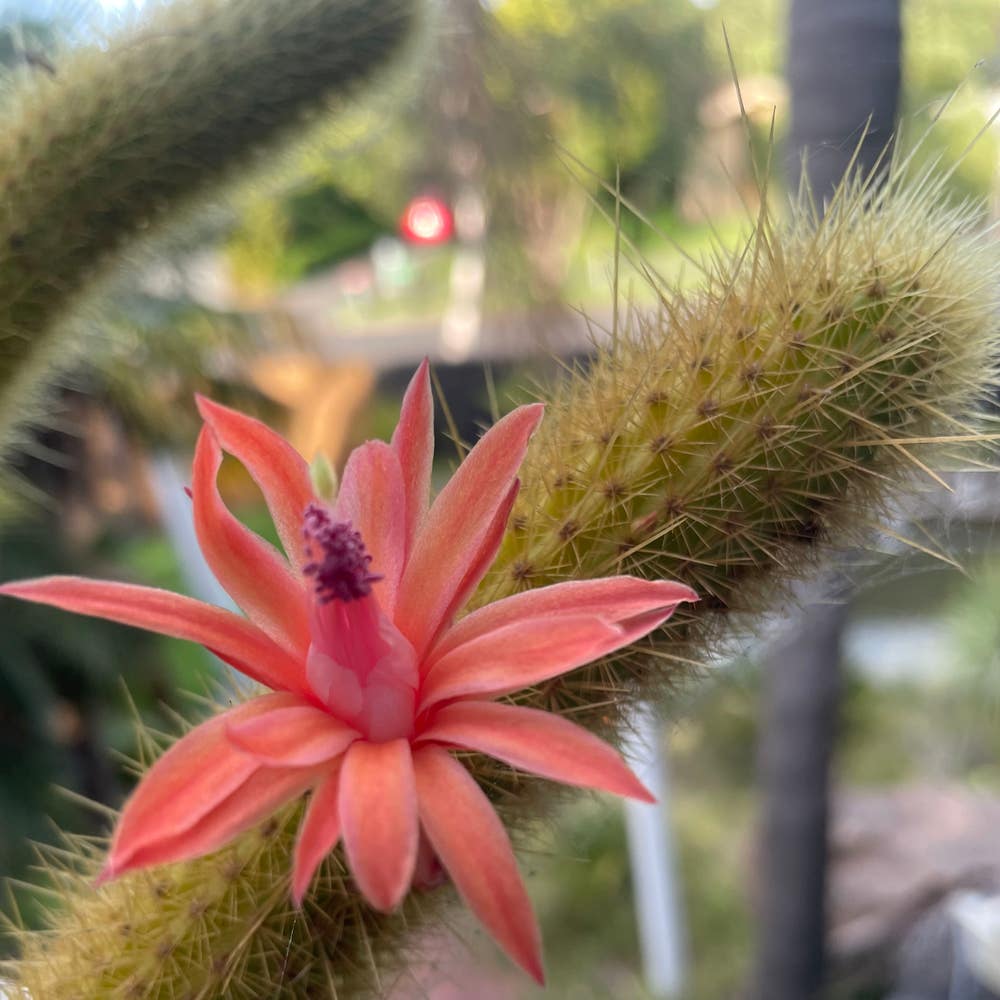
Golden Rat Tail Is Not an Annual
Cleistocactus winteri
By the Greg Editorial Team
Sep 30, 2024•3 min read
This article was created with the help of AI so we can cover more plants for you. May contain errors. See one? Report it here.
Cultivate the resilient Golden Rat Tail 🌱 for a vibrant, sustainable garden that thrives year-round!
- 🌱 Golden Rat Tail is a perennial, thriving year after year, unlike annuals.
- 🌞 It survives droughts by entering dormancy, thanks to its deep root system.
- 🌼 Fewer seeds with longer lifespan ensure Golden Rat Tail's continued presence in gardens.
Golden Rat Tail as a Perennial
🌱 Genetic Characteristics
Golden Rat Tail boasts a unique chromosomal structure that enhances its adaptability for long-term survival. This genetic makeup allows it to thrive in various environments, ensuring its resilience.
The root system of Golden Rat Tail is both robust and deep, which significantly aids in nutrient and water absorption. This characteristic is crucial for its survival, especially during dry spells.
🍃 Physiological Traits Supporting Perennial Classification
The leaf structure of Golden Rat Tail is specially adapted for photosynthesis across multiple seasons. This adaptation enables the plant to maximize energy capture, supporting its perennial nature.
Additionally, Golden Rat Tail has a remarkable ability to enter dormancy. This physiological trait allows it to survive adverse conditions, such as extreme temperatures or drought.
🌼 Lifecycle and Growth Patterns
Golden Rat Tail undergoes distinct growth stages, starting with initial establishment, followed by maturation, and then sustained growth. Each phase is essential for the plant's overall health and longevity.
In terms of seasonal behavior, Golden Rat Tail actively grows in spring and summer. During winter, it enters dormancy, conserving energy and resources until conditions improve.
🌸 Reproductive Strategies Compared to Annuals
Golden Rat Tail exhibits unique flowering cycles that align with seasonal patterns. Its pollination strategies are finely tuned to attract specific pollinators during peak blooming periods.
When it comes to seed production, Golden Rat Tail differs from annuals in several ways. It produces fewer seeds, but these seeds have a longer lifespan, ensuring the plant's continued presence in the ecosystem.
❓ Misconceptions and Variations
Several conditions can lead to the misclassification of Golden Rat Tail as an annual. Environmental stressors, such as poor soil or inadequate care, can hinder its growth and mislead gardeners.
Regional differences also play a significant role in how Golden Rat Tail is perceived. Local climate impacts its growth patterns, and gardening practices can vary widely, influencing how this plant is treated.
Misidentification is another common mistake among gardeners. A lack of awareness about Golden Rat Tail's true nature can lead to confusion and improper care.
Understanding these aspects of Golden Rat Tail is essential for gardeners looking to cultivate this resilient perennial. With the right knowledge, you can appreciate its unique characteristics and ensure its thriving presence in your garden.
Implications for Gardeners
🌱 Benefits of Planting Golden Rat Tail
Planting Golden Rat Tail is a smart, long-term investment. As a perennial, it offers sustainability and reduces the need for frequent replanting, saving both time and money.
This plant also enhances biodiversity in your garden. Its presence supports various pollinators and contributes to a balanced ecosystem, making your garden a thriving habitat.
🎨 Garden Design Strategies
When designing your garden, consider companion planting with Golden Rat Tail. Pairing it with other perennials not only creates visual appeal but also promotes healthier growth through natural interactions.
Planning for seasonal interest is crucial. Golden Rat Tail can provide color and texture throughout the year, ensuring your garden remains vibrant in every season.
🌿 Tips for Maximizing Longevity
To keep your Golden Rat Tail thriving, focus on soil requirements. Well-drained soil is essential for preventing root rot and ensuring healthy growth.
Watering practices are equally important. Strive for a balance—adequate moisture without overwatering is key to maintaining plant health.
Lastly, pay attention to fertilization and pruning. Regularly applying the right nutrients and trimming back can encourage robust growth and abundant flowering.
With these strategies, your Golden Rat Tail will flourish, adding beauty and sustainability to your garden. Next, let’s explore how to maximize its longevity even further.
⚠️ Safety First
This content is for general information and may contain errors, omissions, or outdated details. It is not medical, veterinary advice, or an endorsement of therapeutic claims.
Always consult a qualified healthcare professional before using any plant as food, medicine, or supplement.
Never eat any plant (or feed one to pets) without confirming its identity with at least two trusted sources.
If you suspect poisoning, call Poison Control (800) 222-1222, the Pet Poison Helpline (800) 213-6680, or your local emergency service immediately.
Spotted an error? Please report it here.
Embrace the perennial power of Golden Rat Tail 🌱 with Greg's tailored care reminders to keep your garden thriving through every season!