🌵 How Do I Know When My Golden Rat Tail Needs Water?
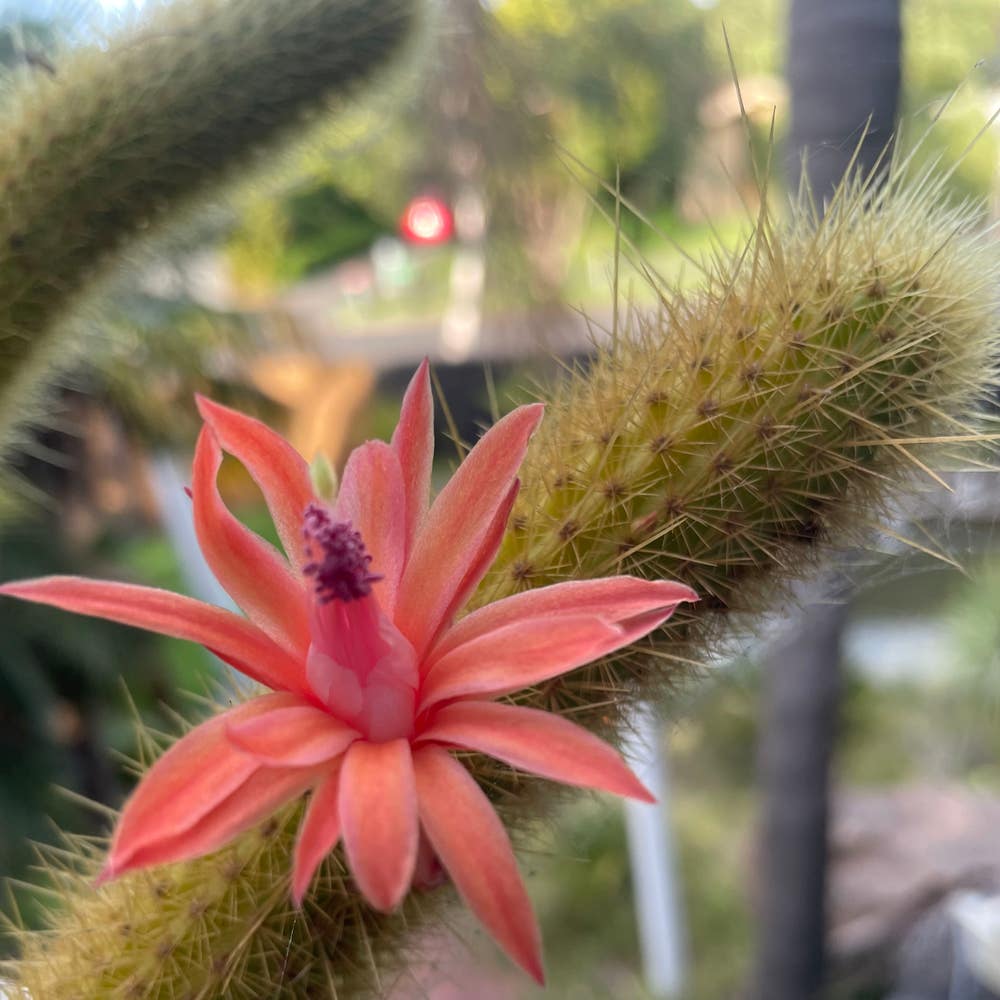
Cleistocactus winteri
By the Greg Editorial Team
Jun 18, 2024•4 min read
This article was created with the help of AI so we can cover more plants for you. May contain errors. See one? Report it here.
Nail your golden rat tail's watering routine with these fail-proof hydration cues! 🌵💧
- Wilting and shriveled stems mean it's time to water your golden rat tail.
- Seasons and growth cycles dictate your plant's watering schedule.
- Monitor soil moisture with the finger test or a moisture meter.
Spot the Thirsty Cues
💧 Visual Signs of Dehydration
Wilting stems on your golden rat tail are a distress signal; they're begging for water. If the stems look more shriveled than usual, it's time to take action.
Leaf texture and color can also alert you to your plant's hydration needs. Leaves that are firm and vibrant are content; those that are soft and discolored need your attention.
💦 Soil Moisture Tells
Finger test: Insert your finger into the soil up to the second knuckle. Dry soil at this depth means it's time to water.
Using a moisture meter can give you a more precise reading of your plant's thirst level. If the meter reads dry, grab the watering can.
Topsoil dryness is a quick visual cue. If the top inch looks like a barren wasteland, it's a clear sign your plant could use a drink.

When to Water: Timing is Everything
💧 Seasonal Shifts in Watering
Your golden rat tail's thirst isn't static—it changes with the seasons. Summer's heat ramps up the need for moisture, so expect to water more often. But when winter's chill sets in, your plant's water needs take a nosedive. Less is more during the cold months. Always check the soil before reaching for the watering can.
🌱 Growth Cycles and Water Demand
Just like a bear stocks up before hibernation, your golden rat tail has its own cycles of feast and famine. During the active growth phase, it's all about hydration to fuel those luscious locks. But when it hits the snooze button in its dormant phase, dial back on the drinks. It's about syncing with your plant's life rhythm, not the calendar.

The Role of Environment in Watering Frequency
🌡️ Temperature and Humidity Tango
Heat waves and dry spells don't just mean more ice cream; they also signal that your golden rat tail may need more frequent watering. As temperatures soar, soil moisture evaporates quicker, leaving your plant thirstier than usual. Conversely, during cooler periods, water retention is higher, and your succulent's sips should be less frequent.
Humidity is the sidekick here, playing a crucial role in your watering routine. High humidity means the air is holding more moisture, which your plant can use, reducing the need for watering. On the flip side, dry air will have your golden rat tail gulping down water more often.
🏡 Home Sweet Home: Indoor Conditions
Your golden rat tail's indoor microclimate is its own little world. Heating and air conditioning can turn your home into a desert or a swamp, affecting how often you need to water. Keep your plant away from direct blasts of hot or cold air, which can mess with its hydration levels.
Creating a communal plant area can boost humidity, as plants release water vapor during transpiration. It's like throwing a small party for your plants where the dress code is moisture. Remember, though, too much humidity can lead to fungal issues, so aim for that Goldilocks zone.
Air circulation is the unsung hero, keeping the air fresh and preventing moisture from becoming a fungal fiesta. A gentle fan can help, but avoid turning your plant into a wind-tossed sailor.
In essence, your golden rat tail doesn't care for a rigid schedule. It's all about observing and responding to the unique conditions of your home. Keep a keen eye on temperature and humidity, and adjust your watering accordingly. It's not rocket science, just good plant parenting.

The Perfect Sip: Watering Techniques
💧 The Right Amount of H2O
Watering your golden rat tail isn't rocket science, but it does require some precision. The goal is to give it a thorough drink, ensuring the soil is evenly soaked. Here's the drill: water around the rim of the pot, not just in the center, to distribute moisture to all roots. Use enough water so it seeps out of the drainage holes, then let the pot sit in the runoff for about 20-30 minutes. This lets the soil suck up any missed spots. Afterward, dump any leftover water to avoid soggy soil syndrome.
🚱 Avoiding the Dangers of Overwatering
Overwatering is the fast track to root rot, the bane of your plant's existence. To dodge this bullet, water only when the soil is bone dry. When it's time to water, do it like you're pouring a fine scotch—slowly and with care. Make sure your pot has drainage holes that could make a colander jealous. If water sticks around like an unwanted party guest, chuck it out. Your plant's health is on the line, and there's no room for soggy soil here.
⚠️ Safety First
This content is for general information and may contain errors, omissions, or outdated details. It is not medical, veterinary advice, or an endorsement of therapeutic claims.
Always consult a qualified healthcare professional before using any plant as food, medicine, or supplement.
Never eat any plant (or feed one to pets) without confirming its identity with at least two trusted sources.
If you suspect poisoning, call Poison Control (800) 222-1222, the Pet Poison Helpline (800) 213-6680, or your local emergency service immediately.
Spotted an error? Please report it here.
Keep your Golden Rat Tail thriving 🌵 with Greg's moisture meter and seasonal watering reminders, ensuring you never miss the perfect time to quench its thirst.