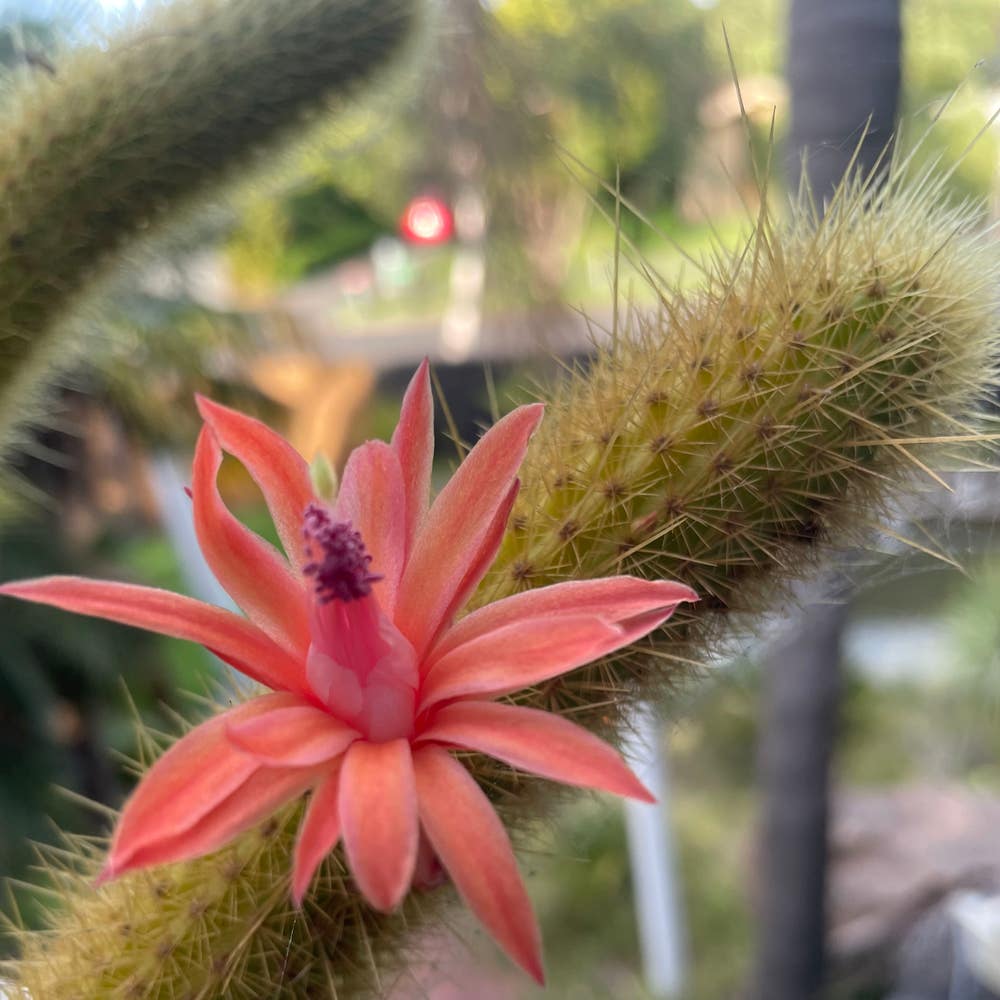
🌼 8 Quick Fixes for Golden Rat Tail Bloom Problems
Cleistocactus winteri
By the Greg Editorial Team
Sep 30, 2024•3 min read
This article was created with the help of AI so we can cover more plants for you. May contain errors. See one? Report it here.
Unlock vibrant blooms 🌸 by mastering solutions to common flowering problems in your garden!
- 🌞 Bright, indirect light is essential for Golden Rat Tail blooms to thrive.
- 💧 Consistent watering prevents stress; both over and underwatering hinder flower production.
- 🌱 Phosphorus-rich fertilizers boost blooms; nutrient deficiencies can negatively impact flower development.
Flowering Problems
🌸 Failure to Bloom
Causes
Insufficient Light
Lack of adequate bright, indirect light can hinder blooming. Without enough light, your Golden Rat Tail may struggle to produce those beautiful flowers.
Improper Watering
Both overwatering and underwatering can stress the plant. Finding the right balance is crucial for encouraging blooms.
Nutrient Deficiencies
A lack of essential nutrients, particularly phosphorus, can affect flower development. Nutrient-rich soil is key to a thriving plant.
💡 Solutions
Adjusting Light Exposure
Move the plant to a brighter location or supplement with grow lights. Ensuring your plant gets enough light can make all the difference.
Proper Watering Techniques
Establish a consistent watering schedule that allows the soil to dry out between waterings. This helps prevent stress and promotes healthy blooms.
Fertilization
Use a balanced fertilizer with higher phosphorus content during the growing season. This will support robust flower development.
🌼 Premature Flower Drop
Causes
Environmental Stress
Sudden changes in humidity or temperature can lead to bud drop. Keeping conditions stable is essential for your plant's health.
Overwatering
Excess moisture can cause root stress, leading to flower drop. Be mindful of how much water your plant is receiving.
Temperature Fluctuations
Rapid changes in temperature can shock the plant. Consistency is key to keeping your blooms intact.
🛠️ Solutions
Stabilizing Environment
Maintain consistent temperature and humidity levels. A stable environment helps your plant thrive.
Adjusting Watering Schedule
Ensure proper drainage and avoid waterlogged soil. This will help prevent premature flower drop.
Temperature Control
Keep plants in a stable environment, ideally between 20°C to 30°C (68°F to 86°F). This range supports healthy growth.
🌱 Abnormal Flower Development
Causes
Pest Infestations
Pests like mealybugs or spider mites can damage buds and flowers. Regular checks can help catch these issues early.
Disease
Fungal or bacterial infections can lead to malformed blooms. Monitoring for signs of disease is crucial.
Inadequate Nutrients
A lack of key nutrients can result in poor flower quality. Nutrient balance is essential for vibrant blooms.
🧪 Solutions
Pest Management
Regularly inspect for pests and treat with appropriate insecticides or natural remedies. Early intervention can save your flowers.
Disease Treatment
Remove affected parts and apply fungicides or bactericides as needed. This helps protect the rest of your plant.
Nutrient Supplementation
Use a specialized fertilizer to address specific deficiencies. Tailoring your approach can yield better results.
🌍 Environmental Factors
Temperature and Humidity
Ideal Conditions for Flowering
Maintain temperatures between 20°C to 30°C (68°F to 86°F) and moderate humidity levels. These conditions are optimal for flowering.
Watering Practices
How Overwatering or Underwatering Affects Bloom Cycle
Establish a watering routine that prevents stress and promotes healthy blooms. Consistency in watering is vital for success.
🐞 Pest and Disease Management
Common Pests
Identification and Treatment of Pests
Recognize signs of infestation and apply appropriate control measures. Being proactive can protect your blooms.
Diseases
Signs of Disease and Solutions
Monitor for symptoms of disease and implement treatment strategies to protect flower development. Early detection is key to maintaining plant health.
With these insights, you can tackle common flowering problems effectively. Next, let’s explore how to optimize your plant care routine for even better results!
⚠️ Safety First
This content is for general information and may contain errors, omissions, or outdated details. It is not medical, veterinary advice, or an endorsement of therapeutic claims.
Always consult a qualified healthcare professional before using any plant as food, medicine, or supplement.
Never eat any plant (or feed one to pets) without confirming its identity with at least two trusted sources.
If you suspect poisoning, call Poison Control (800) 222-1222, the Pet Poison Helpline (800) 213-6680, or your local emergency service immediately.
Spotted an error? Please report it here.
Unlock vibrant blooms for your Golden Rat Tail 🌱 with Greg's personalized care tips and watering reminders that keep your plant thriving all season long!