Why Are My Golden Rat Tail Leaves Falling Over?
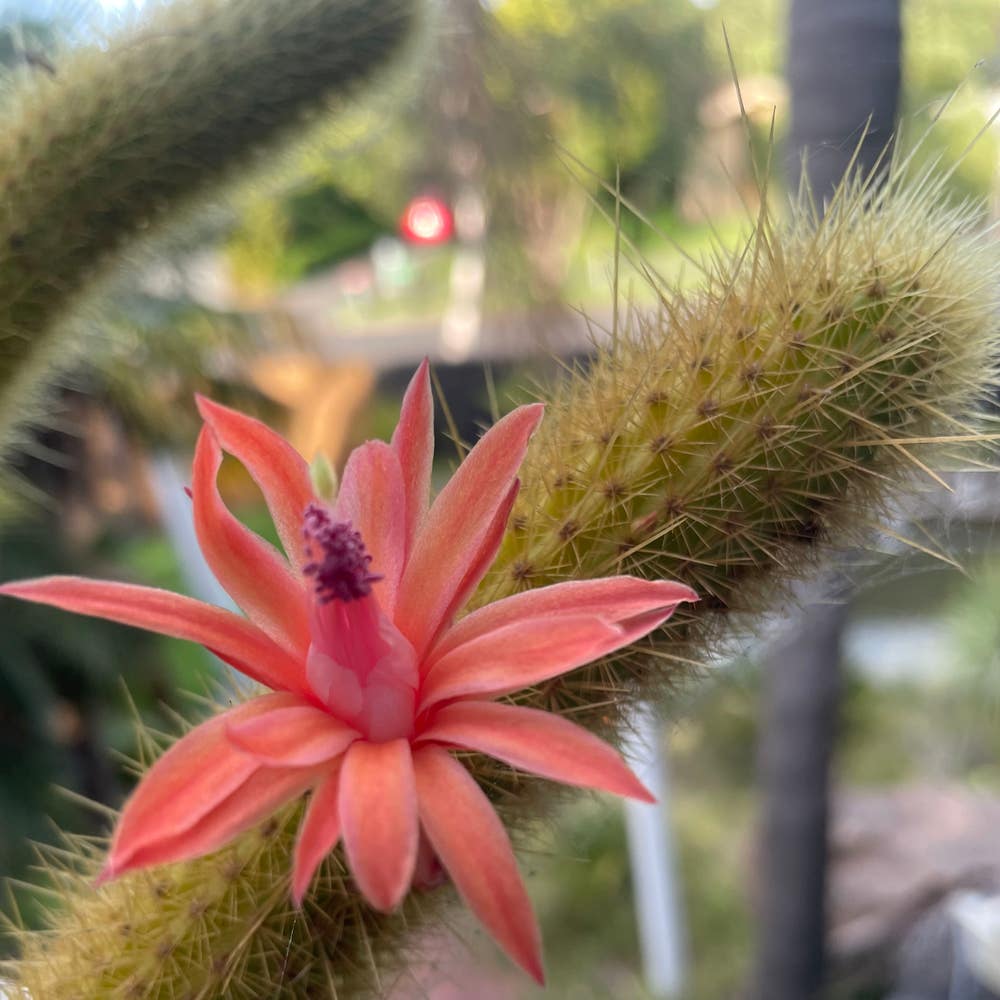
Cleistocactus winteri
By the Greg Editorial Team
Jun 18, 2024•5 min read
This article was created with the help of AI so we can cover more plants for you. May contain errors. See one? Report it here.
Prevent the slump in your Golden Rat Tail 🌵 with the right care to keep its leaves standing tall!
- Overwatering and underwatering both lead to droopy leaves; balance is key.
- 🌞 Bright, indirect sunlight is essential for a healthy Golden Rat Tail.
- Repotting and consistent care help prevent and fix the drooping issue.
Spotting the Trouble Signs
🌊 Overwatering Woes
Yellow leaves waving a caution flag? Your Golden Rat Tail might be swimming in too much water. Soggy soil is a no-go; it's a silent root strangler. Ease up on the H2O and let the soil dry out to avoid a droopy fate.
Root rot reeks of trouble. If the roots are mushier than overcooked noodles, it's surgery time. Snip the soggy bits and repot in fresh, well-draining soil. It's like hitting the reset button for your plant's roots.
🏜️ Thirsty Plant Blues
Wilting leaves? Your plant's parched. Underwatering turns leaves as crispy as autumn leaves. Check the soil: if it's drier than a stand-up comedian's humor, it's time to quench that thirst.
Finding the watering sweet spot is key. Your plant doesn't run on a schedule; it's a living barometer of the environment. Hot and sunny? Drink up. Cool and cloudy? Hold off on the watering can.
🌞 Light: Too Much or Not Enough?
Lighting is crucial. Your Golden Rat Tail craves the Goldilocks zone: not too much, not too little. Weak stems and a sad lean might mean it's stretching out for more light.
Proper lighting bolsters your plant. Too much sun and your plant's leaves might fry up like breakfast bacon. Too little and they'll droop like they've given up on life. Adjust the light and watch your plant stand tall.

First Aid for Your Drooping Golden Rat Tail
💧 Watering the Right Way
Proper hydration is the lifeline of your Golden Rat Tail. Overwatering is a common misstep, so let's nail the perfect watering routine. Soak and dry; thoroughly drench the soil, then wait for it to dry out before the next watering session. This plant can handle a bit of drought, so when in doubt, hold off on the H2O.
Drainage is your friend. Water should exit through the pot's drainage holes, and any excess should be discarded after 20-30 minutes. This prevents waterlogged soil, which is a VIP pass to Root Rot City.
Bottom-watering is a neat trick for even moisture distribution. Submerge the pot in water, wait until the topsoil feels like a damp sponge, and you're golden.
☀️ Let There Be Light (But Not Too Much)
Finding the perfect spot for your Golden Rat Tail is like choosing the right table at a café—not too sunny, not too shady. Bright, indirect sunlight will keep it from stretching out like it's trying to escape the pot.
If your plant is getting more light than a celebrity at a red carpet event, tone it down. A sheer curtain can work wonders. Conversely, if it's lurking in the shadows, consider a spot where it can bask in some gentle rays without getting scorched.
Adjusting light conditions can strengthen your plant, turning those droopy leaves into a stand-up act. Remember, your Golden Rat Tail isn't just a plant; it's a statement piece that demands the right lighting to strut its stuff.

The Repotting Rescue
🌱 When to Consider a New Home for Your Plant
Repotting isn't just about giving your Golden Rat Tail a change of scenery—it's about health and happiness. Look for roots that are staging a breakout through the drainage holes or circling the pot's interior like a botanical Indy 500. If your plant has gone from sprightly to slouchy without a clear reason, it might be whispering (or, let's be real, shouting) for more space. A pot only one to two sizes larger is the sweet spot—think of it as a cozy upgrade, not a McMansion.
🏺 Choosing the Right Soil and Pot
Selecting the right pot and soil is like setting up a trust fund for your plant's future. Drainage holes are non-negotiable unless you're aiming for a swampy mess. As for soil, aim for a mix that's the botanical equivalent of a memory foam mattress—firm yet forgiving. A blend that includes perlite or sand will ensure your Golden Rat Tail doesn't drown in its own home.
🌿 The Repotting Process
🎉 Prepping for the Big Move
Before you dive in, ensure you're not repotting during the plant's blooming bonanza or when it's more stressed than a long-tailed cat in a room full of rocking chairs. Spring is the plant world's version of moving day—perfect for repotting. Get your tools lined up: a new pot, the right soil mix, and a gentle touch.
🌱 The Gentle Uproot
First, water your plant a day in advance—think of it as a spa day before the big move. Then, coax the plant out by turning the pot sideways and giving it a tender hug. Inspect the roots like a detective at a crime scene, trimming any that look like they've seen better days.
🏡 Home Sweet Home
Introduce your plant to its new abode with the care of a butler escorting a VIP guest. Fill the bottom of the pot with soil, place the plant in, and add soil around the sides, giving it a gentle pat-down. Water it just enough to settle the soil—this isn't a pool party. Give it some time to adjust; after all, it's just unpacked its bags in a new neighborhood.

Keeping Your Golden Rat Tail Standing Tall
🌱 Consistency is Key
Crafting a care routine is like setting an alarm; it's all about predictability. Your Golden Rat Tail will thank you for regular watering and consistent light exposure. Rotate the plant to prevent lopsided growth and ensure each side gets its share of light.
🚨 Vigilance Against the Droop
Regular check-ups are the frontline defense against the droop. Keep an eye out for yellowing leaves, soil dryness, and uninvited pests. Adjust care as needed, because what works today may not be perfect tomorrow. Stay on your toes, and your Golden Rat Tail will stay on its roots.
⚠️ Safety First
This content is for general information and may contain errors, omissions, or outdated details. It is not medical, veterinary advice, or an endorsement of therapeutic claims.
Always consult a qualified healthcare professional before using any plant as food, medicine, or supplement.
Never eat any plant (or feed one to pets) without confirming its identity with at least two trusted sources.
If you suspect poisoning, call Poison Control (800) 222-1222, the Pet Poison Helpline (800) 213-6680, or your local emergency service immediately.
Spotted an error? Please report it here.
Keep your Golden Rat Tail standing tall and healthy by nailing the perfect care routine, and let Greg's custom reminders 🌞 ensure you never miss a beat.