🌵 Should I Repot My Golden Rat Tail And If So, How?
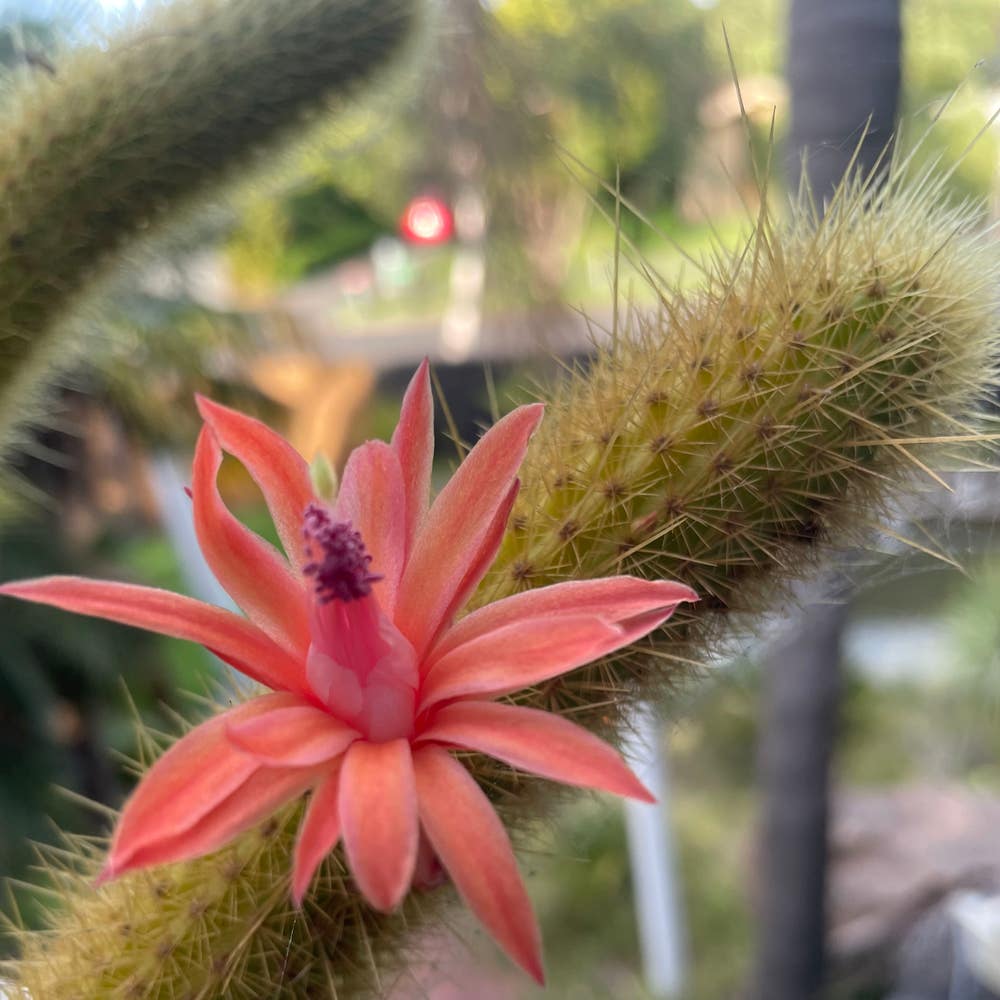
Cleistocactus winteri
By the Greg Editorial Team
Jun 18, 2024•4 min read
This article was created with the help of AI so we can cover more plants for you. May contain errors. See one? Report it here.
Discover the secret to a flourishing Golden Rat Tail 🌵 by mastering its repotting needs!
- 🌱 Cramped roots and poor drainage signal it's time to repot your Golden Rat Tail.
- Spring or early summer is the best time to repot, aligning with growth cycles.
- Choose terracotta pots with drainage holes for breathability and root health.
When Your Golden Rat Tail Craves a New Home
🚨 Spotting the Telltale Signs
Root Crowding: A Tight Squeeze
When your Golden Rat Tail's roots start to cramp, consider it a cry for help. Roots peeking out of drainage holes or circling the topsoil are red flags. It's not just quirky behavior; it's a survival signal.
Drainage Dilemmas: Water Woes
If water sits atop the soil like a lazy pond or races through like it's on a slip 'n slide, your pot's drainage is compromised. Both extremes are your plant's way of saying, "I'm not comfortable!"
Stunted Growth: The Unwanted Pause
When growth stalls, it's not your plant being stubborn; it's likely root-bound. A Golden Rat Tail pausing in size is like an artist with a capped pen—eager to create but unable.
⏰ Timing is Everything
Seasonal Wisdom: The Best Times
Repotting in spring or early summer aligns with your plant's natural growth spurt. It's like hitting the gym at the start of a growth spurt—timing is everything.
Growth Cycle: Reading the Signs
Understanding your Golden Rat Tail's rhythm is key. If it's more active than a toddler on a sugar rush, it's growing season—prime time for a pot upgrade.

Picking the Perfect Pot
🌱 Size Matters
When it comes to repotting your Golden Rat Tail, size is key. Select a pot that's one size larger than the current one to give those roots some breathing room without overdoing it.
🏺 Material World
Terracotta pots are the MVP for Golden Rat Tails, offering breathability that keeps soil from staying wet for too long. Plastic pots can be a gamble due to moisture retention, so use these with caution. Ceramic pots strike a balance, but always check for drainage holes.
Remember, drainage holes are non-negotiable. Without them, you're signing up for root rot, and no one wants that. If you're stuck with a hole-less pot, it's time to get creative or go shopping.

The Repotting Rodeo
🌱 Prepping Your Supplies
Before you saddle up for the repotting rodeo, gather your gear. You'll need a pot that's the next size up—think growth potential without giving your Golden Rat Tail a McMansion. Ensure it has drainage holes; your plant's health depends on it.
Mix your soil with precision—a succulent mix is your base, but don't shy away from adding perlite or coarse sand to improve drainage. Think of it as the plant equivalent of breathable workout gear. Sterilize your tools; cleanliness is next to plant-godliness.
Step-by-Step Repotting
- Gently coax your plant from its current pot. If it's clinging on for dear life, tap the pot's sides or poke through the drainage holes to encourage a break-up.
- Inspect the roots like you're looking for gold. Trim any dead or overgrown roots—this isn't a punishment, it's a spa treatment.
- Position your plant in its new home. Fill the bottom with your well-draining soil mix, place your plant in, and add soil around the sides. Leave some breathing room at the top; plants get claustrophobic too.
Remember, repotting is like moving to a new house for your Golden Rat Tail—it's a fresh start, but it takes a bit of settling in.

Post-Repotting Care for Golden Rat Tail
💦 The First Watering
After repotting, the first watering is like a welcome home party for your Golden Rat Tail's roots. Wait a day before introducing water to let any damaged roots heal. Then, soak the soil until water runs free from the drainage holes. Remember, this is a succulent, so let it fully dry out before the next watering session.
🌞 Settling In
Light and temperature are your plant's new best friends or worst enemies post-repotting. Keep it in a spot with bright, indirect sunlight and avoid temperature extremes. Think of it as a plant spa—too much heat or cold is just not relaxing.
Monitor closely for signs of stress like yellowing leaves or a droopy demeanor. It's normal for the plant to throw a bit of a fit after moving day, but consistent care will help it bounce back. Keep the soil moist but not soggy, and resist the urge to fertilize for at least a month. Your Golden Rat Tail will thank you with robust growth and maybe even a flower or two as a housewarming gift.
⚠️ Safety First
This content is for general information and may contain errors, omissions, or outdated details. It is not medical, veterinary advice, or an endorsement of therapeutic claims.
Always consult a qualified healthcare professional before using any plant as food, medicine, or supplement.
Never eat any plant (or feed one to pets) without confirming its identity with at least two trusted sources.
If you suspect poisoning, call Poison Control (800) 222-1222, the Pet Poison Helpline (800) 213-6680, or your local emergency service immediately.
Spotted an error? Please report it here.
Repot your Golden Rat Tail with confidence, and let Greg's tailored care plan 🪴 guide you through post-repotting care, ensuring your plant's roots have the perfect environment to flourish.