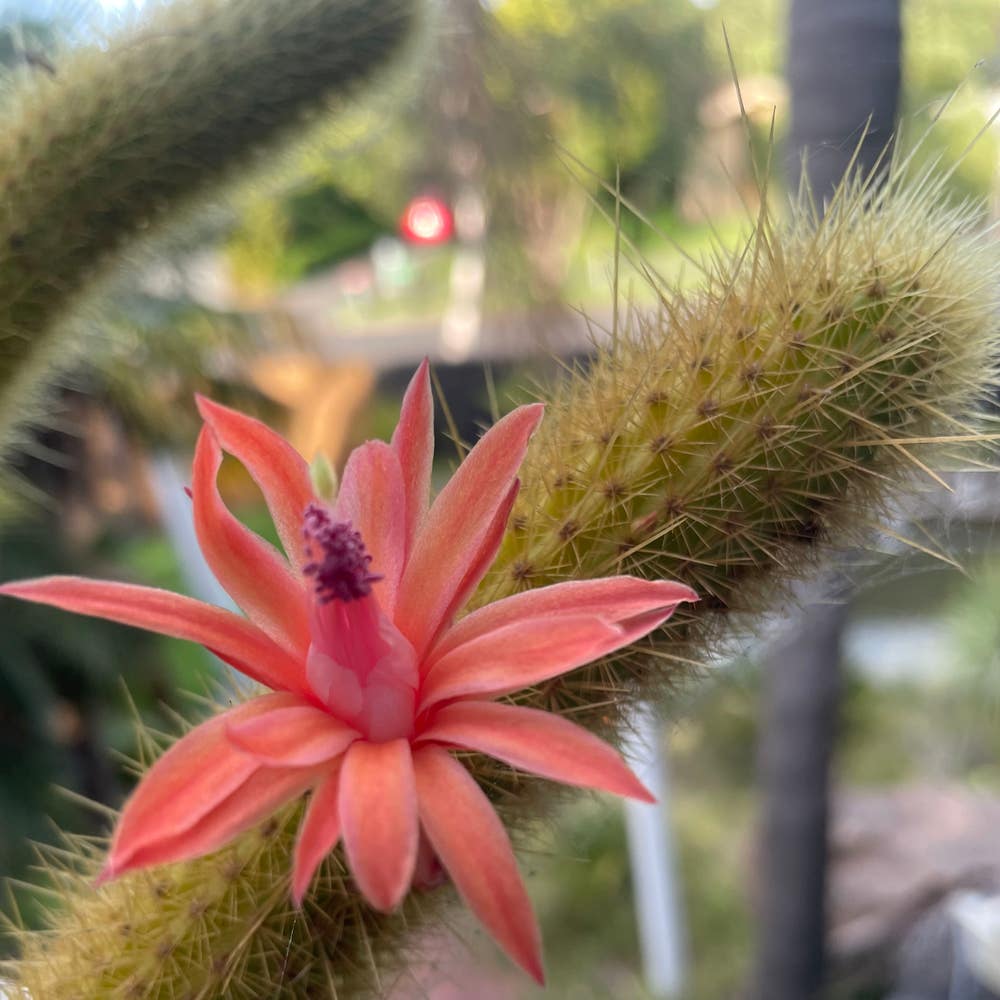
Ultimate Guide to Indoor Golden Rat Tail Care 🐀
Cleistocactus winteri
By the Greg Editorial Team
Sep 30, 2024•5 min read
This article was created with the help of AI so we can cover more plants for you. May contain errors. See one? Report it here.
Unlock the secret to a thriving Golden Rat Tail 🌿 by mastering its light, water, and care essentials!
- 🌞 Golden Rat Tails need 6-8 hours of bright, indirect sunlight daily for optimal growth.
- 💧 Water every 2-3 weeks, ensuring soil dries out completely to prevent root rot.
- 🌱 Use well-draining soil and monitor humidity for a thriving indoor environment.
Light Requirements
Ideal Indoor Light Levels 🌞
For your indoor Golden Rat Tail, the best exposure is bright, indirect sunlight for 6-8 hours daily. If you notice stunted growth or a leggy appearance, it’s a sign your plant isn’t getting enough light.
Role of Grow Lights 💡
Grow lights come into play when natural light is scarce, especially during winter months. They provide consistent light levels, ensuring your plant continues to thrive even in less-than-ideal conditions.
Choosing the Best Grow Light 🛠️
When selecting grow lights, you’ll typically choose between LED and fluorescent options. Full-spectrum lights are recommended as they mimic natural sunlight, promoting healthy growth.
Position your grow light 12-18 inches above the plant for optimal coverage. This distance helps ensure your Golden Rat Tail receives the right amount of light without getting scorched.
With the right light conditions established, your plant will be well on its way to thriving. Next, let’s dive into its watering needs to keep it hydrated and healthy.
Watering Needs
Frequency of Watering 🌊
Water your Golden Rat Tail every 2-3 weeks, ensuring the soil dries out completely between waterings. This practice helps prevent root rot and keeps your plant thriving.
During the growing season—spring and summer—you may need to increase the frequency. Keep an eye on the soil moisture to adjust accordingly.
Signs of Overwatering and Underwatering 🚨
Overwatering can lead to yellowing stems, a mushy texture, and even root rot. If you notice these symptoms, it’s time to reassess your watering routine.
On the flip side, underwatering manifests as wrinkled stems and a drooping appearance. If your plant looks sad, it might be begging for a drink.
Understanding these watering needs is crucial for maintaining a healthy indoor garden. With the right care, your Golden Rat Tail will flourish and bring joy to your space.
Next, let's explore how humidity and temperature play a vital role in your plant's well-being.
Humidity and Temperature Control
🌬️ Ideal Humidity Levels
Maintaining the right humidity is crucial for your Golden Rat Tail's health. Aim for low to moderate humidity levels, ideally between 30-50%.
If your home is particularly dry, consider using a humidity tray or a room humidifier. These tools can help create a more suitable environment for your plant to thrive.
🌡️ Temperature Preferences
Your Golden Rat Tail prefers a cozy temperature range of 18°C to 24°C (65°F to 75°F). Keeping it within this range will promote optimal growth.
Be mindful of seasonal changes. Protect your plant from drafts and extreme temperature fluctuations, as these can stress it and hinder its development.
By ensuring the right humidity and temperature, you're setting the stage for a vibrant, healthy plant. Next, let’s dive into the soil and fertilization needs to keep your Golden Rat Tail flourishing.
Soil and Fertilization
🌱 Best Soil Types
For your indoor Golden Rat Tail, a well-draining cactus mix is the way to go. Alternatively, you can create a blend of potting soil and perlite to ensure proper drainage.
Good drainage is crucial. It prevents root rot and promotes healthy growth, allowing your plant to thrive.
📅 Fertilization Schedule
During the growing season, aim to fertilize every 4-6 weeks. This keeps your plant nourished and encourages vibrant growth.
Use a balanced, water-soluble fertilizer diluted to half strength. This approach provides essential nutrients without overwhelming your plant.
By following these soil and fertilization tips, you set the stage for a flourishing Golden Rat Tail. Next, let’s explore how to tackle common issues and ensure your plant remains healthy and vibrant.
Common Issues and Solutions
🐛 Pests and Prevention
Indoor Golden Rat Tails can attract a few pesky pests. Common culprits include mealybugs, spider mites, and scale.
To keep these nuisances at bay, conduct regular inspections of your plant. Maintaining overall plant health is crucial; a strong plant is less likely to fall victim to infestations.
🦠 Common Diseases and Treatments
Root rot is a significant concern, often resulting from overwatering. If you notice signs of this disease, repot your plant in fresh, dry soil to help it recover.
Fungal infections can also occur, especially in humid conditions. Combat these by using fungicides and ensuring good air circulation around your plant.
✂️ Maintenance Tips
Pruning is essential for a healthy Golden Rat Tail. Regularly remove dead or damaged stems to encourage new growth and keep your plant looking its best.
Cleaning your plant is just as important. Wipe the leaves with a damp cloth to remove dust and pests, allowing your plant to breathe and thrive.
By addressing these common issues proactively, you can ensure your Golden Rat Tail remains healthy and vibrant. Next, let’s explore the best placement and maintenance tips to optimize its growth.
Placement and Maintenance Tips
Best Locations for Growth 🌞
For your indoor Golden Rat Tail, positioning is key. Place it near south or west-facing windows to ensure it receives maximum light exposure.
Avoid spots with high humidity or direct drafts. These conditions can hinder growth and lead to stress for your plant.
Seasonal Care Adjustments 🍂
As the seasons change, so should your care routine. In winter, reduce watering and skip fertilization to allow your plant to rest.
During summer, ramp up your watering frequency and keep an eye out for pests. This proactive approach will help maintain a thriving plant throughout the year.
With these placement and maintenance tips, your Golden Rat Tail will flourish, setting the stage for a vibrant indoor garden. Next, let’s dive into the essential soil and fertilization needs to keep your plant healthy and happy.
⚠️ Safety First
This content is for general information and may contain errors, omissions, or outdated details. It is not medical, veterinary advice, or an endorsement of therapeutic claims.
Always consult a qualified healthcare professional before using any plant as food, medicine, or supplement.
Never eat any plant (or feed one to pets) without confirming its identity with at least two trusted sources.
If you suspect poisoning, call Poison Control (800) 222-1222, the Pet Poison Helpline (800) 213-6680, or your local emergency service immediately.
Spotted an error? Please report it here.
Transform your Golden Rat Tail into a showstopper 🌟 with Greg's tailored care reminders and expert tips that keep your plant thriving effortlessly!