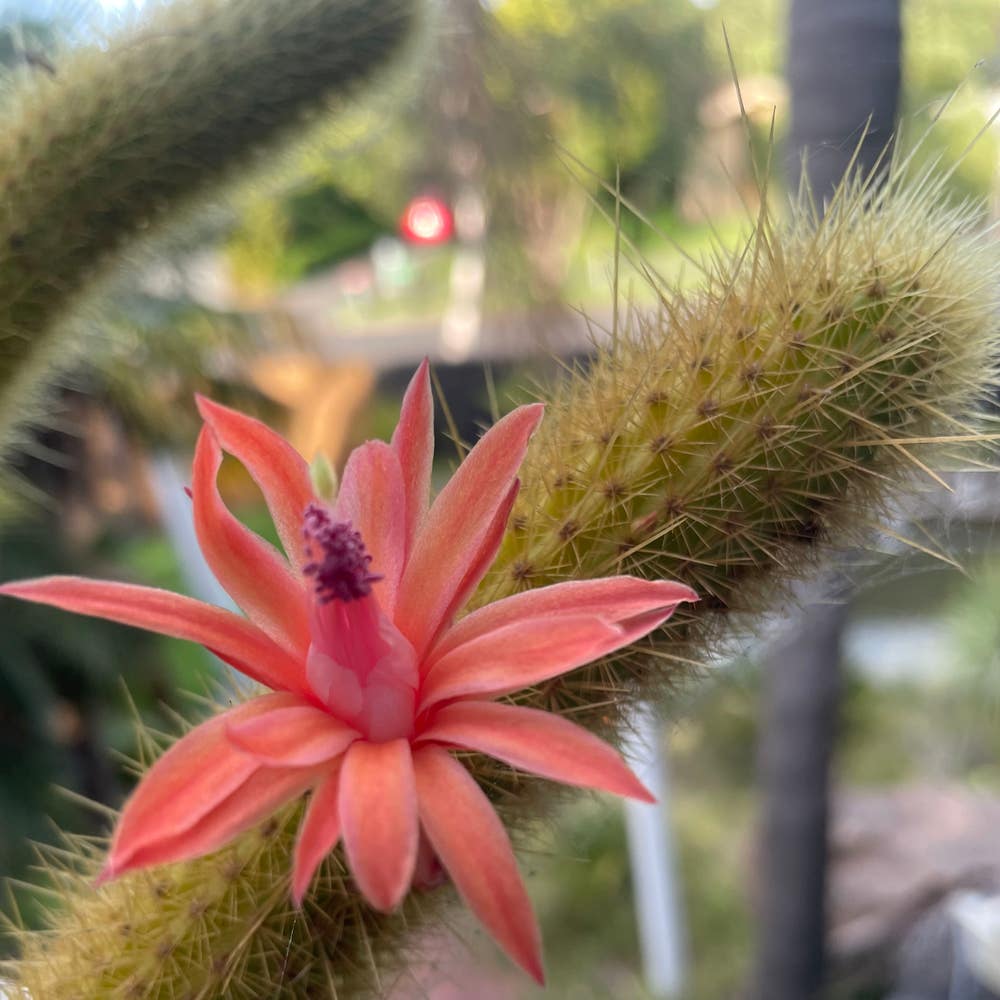
🐀 Golden Rat Tail Is a Perennial
Cleistocactus winteri
By the Greg Editorial Team
Sep 30, 2024•6 min read
This article was created with the help of AI so we can cover more plants for you. May contain errors. See one? Report it here.
Transform your garden with Golden Rat Tail's resilience and beauty, ensuring vibrant blooms year after year! 🌱
- 🌱 Golden Rat Tail is a resilient perennial, thriving through distinct growth phases.
- 🌼 Spring and summer are crucial for emergence, flowering, and seed production.
- 🌍 Adaptable across climates, it enhances gardens while reducing replanting needs.
Characteristics of Golden Rat Tail as a Perennial
🌱 Multi-Year Lifecycle
Golden Rat Tail thrives through a multi-year lifecycle, showcasing distinct growth phases.
Initial Establishment Phase
During this phase, the plant focuses on developing a robust root system. This groundwork is crucial for its long-term survival and sets the stage for future growth.
Mature Growth Phase
Once established, Golden Rat Tail enters its mature growth phase. Here, it showcases lush foliage and prepares for the reproductive stage.
Reproductive Phase (Flowering)
In the reproductive phase, the plant produces vibrant flowers. This not only attracts pollinators but also ensures seed production for future generations.
📈 Growth Patterns and Regrowth from Roots
Golden Rat Tail exhibits fascinating seasonal growth dynamics.
Spring Emergence and Growth
As temperatures rise, the plant emerges from dormancy, rapidly growing and rejuvenating. This is the time when gardeners can witness its vibrant green foliage returning.
Summer Flowering and Seed Production
In summer, the plant bursts into bloom, showcasing its unique flowers. This period is also critical for seed production, ensuring the continuation of its lifecycle.
Fall Preparation for Dormancy
As fall approaches, Golden Rat Tail begins to prepare for dormancy. It conserves energy and nutrients, signaling a shift in its growth pattern.
Mechanism of Root Regrowth
The plant's ability to regrow from its roots is remarkable. It stores energy and nutrients in its root system, allowing for a strong comeback each spring. This adaptation is vital for its survival and resilience against seasonal changes.
Golden Rat Tail's lifecycle and growth patterns highlight its adaptability and strength as a perennial. Understanding these characteristics can help gardeners appreciate its value and plan effectively for its care.
Next, we will explore the dormancy periods and seasonal changes that further influence the growth of Golden Rat Tail.
Dormancy and Seasonal Changes
Dormancy Periods in Golden Rat Tail 🌱
Golden Rat Tail experiences distinct dormancy periods, primarily during winter. During this time, the plant undergoes physiological changes, conserving energy and resources to prepare for the next growth cycle.
Identifying dormancy is crucial for effective care. Look for signs like wilting leaves and a halt in growth, indicating the plant is resting and rejuvenating.
Seasonal Changes Affecting Growth and Flowering 🌸
Seasonal variations significantly impact the growth and flowering of Golden Rat Tail. Temperature and light levels play a vital role in determining how well the plant thrives throughout the year.
In spring, warmer temperatures and increased daylight stimulate growth. Conversely, as summer progresses, the plant shifts focus to flowering and seed production, adapting to the changing environment.
As the seasons transition into fall, the plant prepares for dormancy, slowing down its growth. Understanding these patterns helps gardeners anticipate care needs and optimize conditions for a flourishing garden.
With a solid grasp of dormancy and seasonal changes, you're better equipped to nurture your Golden Rat Tail. Next, let’s explore the advantages of its perennial nature and how it can benefit your garden planning.
Advantages of Perennial Nature
Benefits of Reduced Replanting 🌱
Investing in perennials like Golden Rat Tail is a smart choice for any garden enthusiast. Not only do they save you money over time, but they also cut down on the labor involved in replanting each season.
With perennials, you can enjoy a vibrant garden year after year without the hassle of starting from scratch. This long-term investment allows you to focus on nurturing your plants rather than constantly replacing them.
Importance of Established Root Systems 🌳
Established root systems are a game-changer for plant stability and resilience. Golden Rat Tail thrives with deep roots that enhance drought resistance, ensuring your garden remains lush even in dry spells.
Moreover, these robust roots improve nutrient uptake and contribute to overall soil health. A well-established root system means your plants are better equipped to face environmental challenges, leading to a thriving garden.
Incorporating perennials into your garden not only simplifies maintenance but also fosters a healthier ecosystem. As you plan your garden, consider how these advantages can enhance your gardening experience and plant longevity.
Lifespan and Longevity Factors
🕰️ Expected Lifespan of Golden Rat Tail
Golden Rat Tail typically enjoys a lifespan of several years, often thriving for 3 to 5 years under optimal conditions. This duration is comparable to many other perennials, making it a reliable choice for gardeners seeking longevity.
🌍 Factors Influencing Longevity in Different Conditions
🌱 Environmental Factors
Soil quality plays a crucial role in the health of Golden Rat Tail. Well-draining soil rich in organic matter promotes robust growth and longevity.
Watering practices also significantly impact its lifespan. Consistent moisture, without waterlogging, helps maintain healthy roots and foliage.
🐛 Pest and Disease Resistance
Healthy root systems are vital for the longevity of Golden Rat Tail. Strong roots can better resist pests and diseases, ensuring the plant remains vigorous over the years.
Regular monitoring for signs of stress or infestation can help maintain its health. By addressing issues early, you can extend the life of your Golden Rat Tail and enjoy its beauty for years to come.
As you consider the lifespan and longevity of this perennial, remember that proper care and environmental conditions are key to maximizing its potential. Next, let’s explore how climate zone variations can affect the growth and behavior of Golden Rat Tail.
Climate Zone Variations
🌍 Variations in Perennial Behavior Across Climate Zones
Golden Rat Tail exhibits remarkable adaptability across various USDA hardiness zones. This resilience allows it to thrive in diverse environments, but its performance can vary significantly based on local temperature and moisture levels.
In warmer climates, Golden Rat Tail may experience accelerated growth and earlier flowering. Conversely, in cooler zones, it may take longer to establish but can still flourish with proper care.
🌱 Tips for Maximizing Benefits in Garden Planning
When planning your garden, consider the climate's impact on Golden Rat Tail. Selecting appropriate locations that align with its needs can enhance growth and flowering.
Companion planting is another effective strategy. Pairing Golden Rat Tail with compatible plants can create a thriving ecosystem that supports overall garden health.
For long-term success, regularly monitor your plants. Adjust care practices based on seasonal changes and climate variations to ensure optimal growth and resilience.
By understanding these factors, you can cultivate a vibrant garden that showcases the beauty and durability of Golden Rat Tail. This knowledge sets the stage for exploring its lifespan and longevity factors next.
⚠️ Safety First
This content is for general information and may contain errors, omissions, or outdated details. It is not medical, veterinary advice, or an endorsement of therapeutic claims.
Always consult a qualified healthcare professional before using any plant as food, medicine, or supplement.
Never eat any plant (or feed one to pets) without confirming its identity with at least two trusted sources.
If you suspect poisoning, call Poison Control (800) 222-1222, the Pet Poison Helpline (800) 213-6680, or your local emergency service immediately.
Spotted an error? Please report it here.
Nurture your Golden Rat Tail to thrive year after year 🌼 with Greg's tailored care reminders and expert tips that ensure your plant flourishes through every season!