Why Are There Brown Spots on My Golden Rat Tail Leaves?
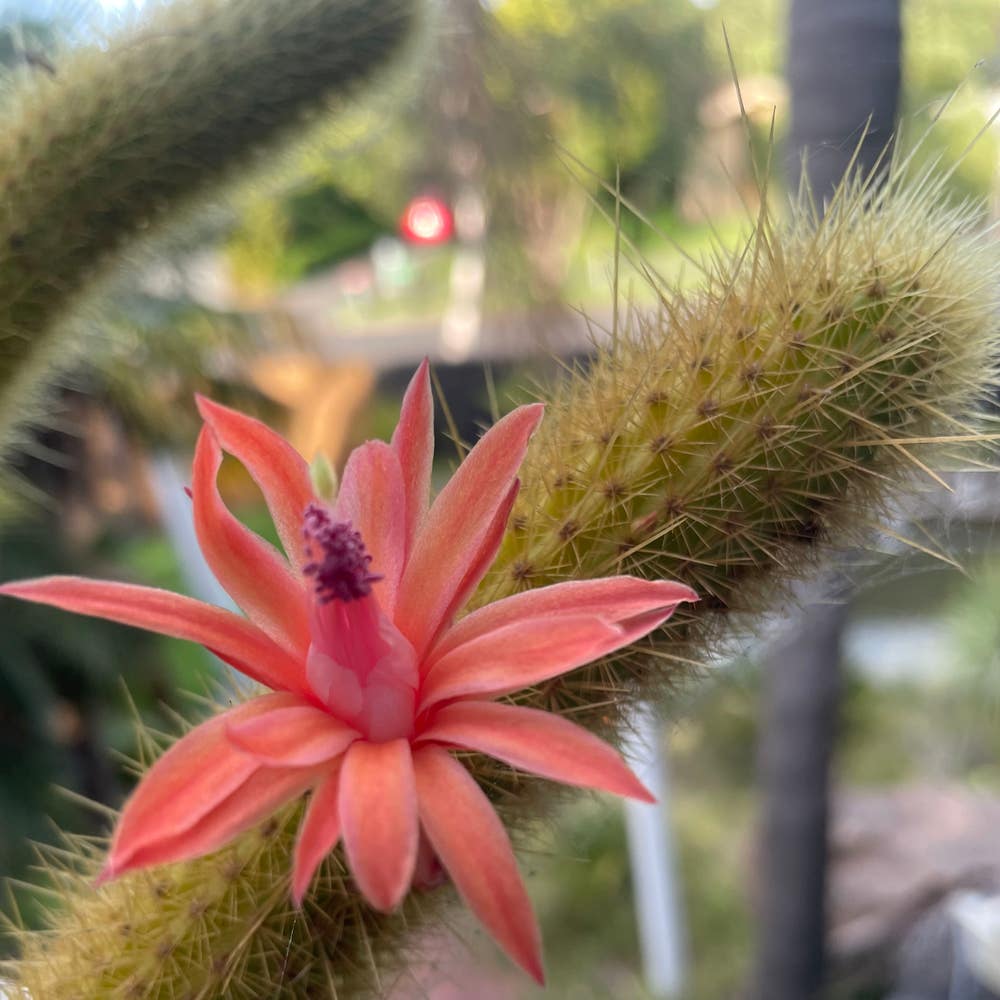
Cleistocactus winteri
By the Greg Editorial Team
Jun 18, 2024•4 min read
This article was created with the help of AI so we can cover more plants for you. May contain errors. See one? Report it here.
Banish brown spots on your Golden Rat Tail 🌵 and restore plant perfection with these expert tips!
- Brown spots vary: dry/crispy or soggy, indicating sun/water issues.
- Pests and fungi: Spider mites, aphids, mealybugs, and fungal infections cause spots.
- Prevent with care: Bright light, air circulation, and regular check-ups are key.
Spotting the Trouble: Recognizing Brown Spots on Your Plant
🕵️♂️ Visual Clues
Brown spots on Golden Rat Tail leaves can range from tiny specks to large, unsightly patches. These spots may appear dry or soggy, and sometimes they're ringed with a telltale yellow halo. It's not just an aesthetic issue; these blemishes are like red flags signaling your plant's SOS.
Accompanying Symptoms
Other signs of distress often accompany brown spots. Look for yellowing leaves, particularly in new growth, or a general wilt that suggests your plant is more than just a little under the weather. The texture of the spots can be a giveaway too—mushy spots often point to overwatering, while crispy ones hint at too much sun or not enough water.

Rooting Out the Causes: Common Culprits Behind Brown Spots
💧 Water Woes: Over and Under
Golden Rat Tail plants can be as finicky as a cat in a room full of rocking chairs when it comes to their watering needs. Overwatering is the equivalent of giving your plant a pair of concrete shoes—roots can't breathe, and fungi find a new home. The result? Brown spots that are soft and mushy. On the other end, underwatering turns leaves into the Sahara—dry, crispy, with a penchant for drama on the leaf edges.
🐛 Unwanted Guests: Pests
Pests are the uninvited guests that never know when to leave. Spider mites, aphids, and mealybugs are the usual suspects, treating your plant like an all-you-can-eat buffet. Their feeding frenzy leaves behind brown spots as evidence of their gluttony. To spot these freeloaders, look for webbing, stickiness, or a general look of plant malaise.
🍄 Fungal Foes: Diseases
Fungi are the stealthy artists of the plant world, leaving behind brown spots with halos or concentric rings as their signature. Cercospora and Anthracnose are the usual fungal culprits, thriving in the VIP lounge of overwatered soil. These spots are more than just blemishes; they're a sign your plant's health is compromised. Keep humidity in check and air circulating to avoid giving these fungi a reason to party.

The Recovery Plan: Treating Brown Spots on Golden Rat Tail
🌊 Balancing Act: Water Management
Golden Rat Tail cacti are notoriously finicky when it comes to their watering needs. Overwatering can leave them susceptible to root rot, while underwatering can stress them out, leading to those dreaded brown spots. Strike the right balance by allowing the soil to dry out completely between waterings. Feel the pot's weight to gauge moisture levels, and water the soil directly to avoid wet foliage, which is a fungal fiesta waiting to happen.
🍄 Fungus Among Us: Tackling Fungal Infections
Fungal infections are like uninvited guests at a plant party—they just show up. If you've got brown spots with a side of plant malaise, it's time to show these fungi the door. Start by removing any visibly affected areas. Then, introduce a copper-based fungicide, applying it with precision and care. Always read the label—this isn't the time for improvisation. And remember, ventilation is your plant's best friend, so keep that air moving.
🐜 Pest Control: Keeping Critters at Bay
Pests are the freeloaders of the plant world, and they love a good Golden Rat Tail feast. Spider mites leave webbing, scale insects appear as sticky bumps, and fungus gnats turn your soil into a rave. To evict these party crashers, introduce natural predators like ladybugs, apply neem oil, or use insecticidal soap. For a persistent problem, consider a systemic insecticide, but as with any chemical, treat with respect and caution.

Keeping It Spotless: Prevention Strategies
🌞 Proactive Plant Parenting
In the quest to prevent brown spots, the Golden Rat Tail's environment is your chessboard. Bright, indirect light is the king, crucial for plant health without the burn of overexposure. Ensure your plant's throne allows for free air circulation; a breeze is better than a stagnant air dungeon. Consistent care—watering when the soil is just right, not a moment sooner—will keep the roots from drowning in excess moisture or withering in drought.
👀 Monitoring and Maintenance
Regular check-ups are your plant's health insurance. Inspect leaves like a hawk, spotting early signs of trouble before they spiral out of control. Rotate the plant periodically to avoid lopsided growth and give each leaf its moment in the sun. Cleanliness is a virtue; dust-free leaves mean unobstructed photosynthesis. And let's not forget about repotting—if the roots are circling like sharks, it's time to move to a bigger pot. Stay sharp, and those brown spots will have to find another plant to crash.
⚠️ Safety First
This content is for general information and may contain errors, omissions, or outdated details. It is not medical, veterinary advice, or an endorsement of therapeutic claims.
Always consult a qualified healthcare professional before using any plant as food, medicine, or supplement.
Never eat any plant (or feed one to pets) without confirming its identity with at least two trusted sources.
If you suspect poisoning, call Poison Control (800) 222-1222, the Pet Poison Helpline (800) 213-6680, or your local emergency service immediately.
Spotted an error? Please report it here.
Prevent those pesky brown spots on your Golden Rat Tail by following Greg's custom watering plan 🎯, ensuring your plant gets just the right amount of hydration without the guesswork.