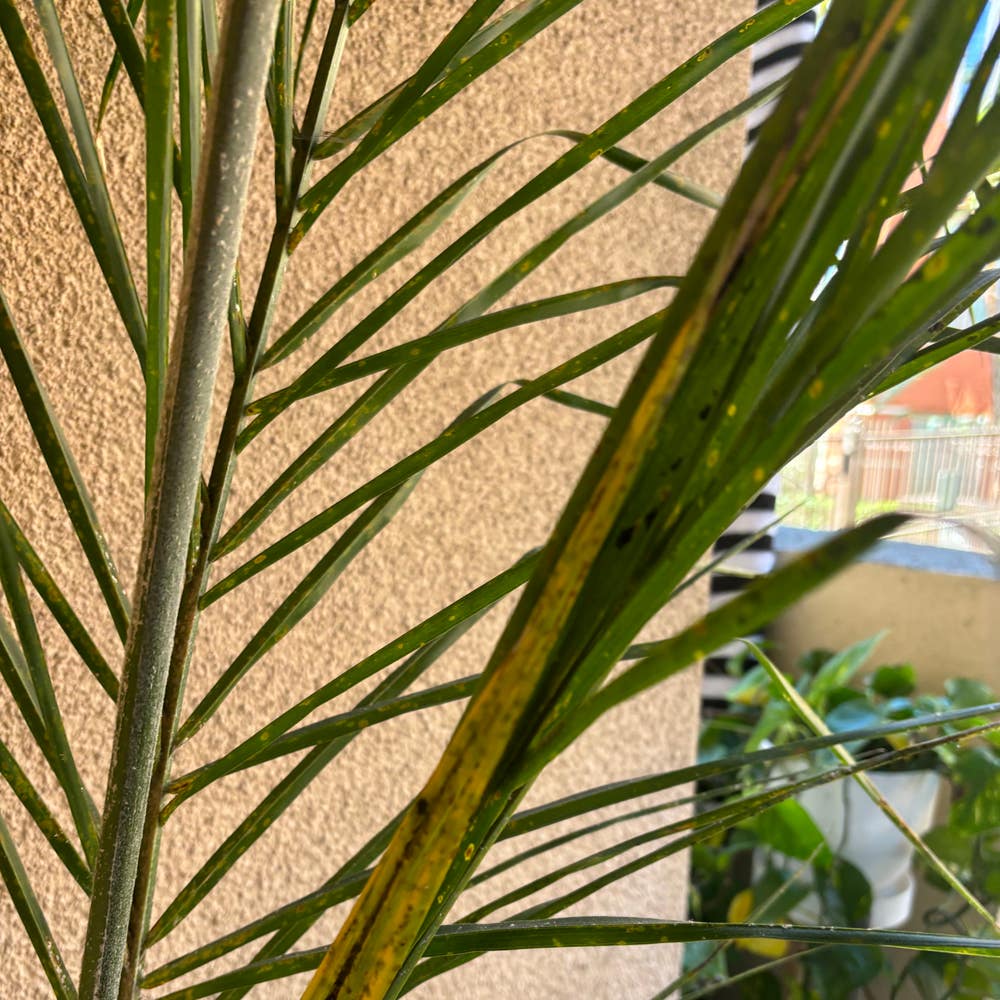
Best Spot to Plant Your Coco Palm 🌴
Syagrus cocoides
By the Greg Editorial Team
Nov 23, 2024•4 min read
This article was created with the help of AI so we can cover more plants for you. May contain errors. See one? Report it here.
Elevate your garden's beauty with a thriving Coco Palm by choosing the perfect spot! 🌴✨
- 🌞 Coco Palms thrive in full sun, needing at least six hours of direct light daily.
- 🌱 Soil testing ensures optimal growth by checking pH and nutrient levels.
- 🌬️ Wind protection is essential; use barriers to shield your Coco Palm from strong winds.
Assessing the Best Spot
🌳 Evaluating Garden and Landscape Settings
Choosing the right spot for your Coco Palm is crucial for its health and growth. Start by considering sun exposure, soil conditions, and wind patterns, as these factors significantly impact your plant's well-being.
To evaluate your site effectively, employ techniques like soil testing and sunlight tracking. Soil testing kits can reveal pH levels and nutrient content, while tracking sunlight helps you identify the best locations for maximum light exposure.
Landscape design plays a vital role in your Coco Palm's success. Harmonizing your palm with existing plants and features creates a cohesive look and ensures that your garden thrives.
🏠 Indoor Planting Considerations
If you're considering indoor planting, focus on ideal locations such as south or west-facing windows. These spots provide the maximum light your Coco Palm needs to flourish.
Container selection is equally important. Choose pots with adequate drainage and sufficient size to accommodate growth, ensuring your palm has room to thrive.
Don't overlook indoor humidity needs. Maintaining optimal humidity levels is essential for your Coco Palm's health, so consider using a humidifier or placing a tray of water nearby to create a suitable environment.
With these considerations in mind, you're well on your way to finding the perfect spot for your Coco Palm. Next, let's explore microclimates and environmental factors that can further enhance your planting strategy.
Microclimates and Environmental Factors
🌬️ Wind Protection Strategies
Wind protection is crucial for the health of your Coco Palm. Strong winds can damage fronds and disrupt root systems, leading to stunted growth or even plant death.
To shield your palm from harsh winds, consider effective windbreak options. Fences, walls, or strategically planted trees can create a barrier that minimizes wind exposure.
Assessing wind patterns in your planting area is also essential. Take note of prevailing winds and their intensity to determine the best placement for your Coco Palm.
🚰 Drainage Considerations
Good drainage is vital for preventing root rot and ensuring healthy growth. Coco Palms thrive in well-drained soil, making it essential to address any drainage issues in your garden.
Look for signs of standing water or compacted soil, which indicate poor drainage. These conditions can hinder root development and lead to serious health problems for your palm.
To improve drainage, consider practical solutions like raised beds or amending your soil with sand or perlite. These methods enhance aeration and promote a healthier growing environment for your Coco Palm.
With wind protection and proper drainage in place, your Coco Palm will be well-equipped to thrive in its chosen spot. Next, let’s explore the shade and sun requirements essential for optimal growth.
Shade and Sun Requirements
🌳 Shade Tolerance
Coco palms can tolerate partial shade, but they thrive best in full sun. When exposed to excessive shade, these palms may experience reduced growth and become more susceptible to pests.
To ensure your coco palm flourishes, regularly monitor its growth in shaded areas. If you notice a decline in health, consider relocating it to a sunnier spot.
☀️ Optimal Sun Exposure for Growth
For optimal growth, coco palms need direct sunlight for at least six hours a day. This exposure is crucial for their overall health and vitality.
Seasonal variations can affect sunlight availability, so be prepared to adjust your palm's placement accordingly. Keep an eye out for signs of inadequate sunlight, such as leggy growth, which indicates your plant may need more light.
Understanding these shade and sun requirements will help you create the ideal environment for your coco palm. Next, we’ll explore practical tips for site selection to ensure your palm thrives in its chosen spot.
Practical Tips for Site Selection
🌱 How to Assess Soil Conditions
Understanding your soil is crucial for the health of your Coco Palm. Start with soil testing methods like pH testing kits and texture analysis to gauge its suitability.
Key indicators of soil health include drainage, organic matter content, and compaction. If your soil is too compacted or lacks nutrients, your palm may struggle to thrive.
To improve soil quality, consider amending it with organic matter or sand. This will enhance drainage and provide essential nutrients for your Coco Palm's growth.
🏡 Identifying the Best Planting Spots in Various Settings
When selecting outdoor garden placements, consider factors like sun exposure, wind protection, and available space. A well-placed Coco Palm can become a stunning focal point in your landscape.
Integrating your palm into the landscape design is essential for a cohesive look. Pair it with complementary plants to create a harmonious garden environment.
For indoor placement, balance aesthetics with the plant's needs. Position your Coco Palm near south or west-facing windows to ensure it receives adequate sunlight while enhancing your interior decor.
By carefully assessing soil conditions and thoughtfully selecting planting spots, you can set your Coco Palm up for success. This attention to detail will lead to a thriving, beautiful addition to your home or garden.
⚠️ Safety First
This content is for general information and may contain errors, omissions, or outdated details. It is not medical, veterinary advice, or an endorsement of therapeutic claims.
Always consult a qualified healthcare professional before using any plant as food, medicine, or supplement.
Never eat any plant (or feed one to pets) without confirming its identity with at least two trusted sources.
If you suspect poisoning, call Poison Control (800) 222-1222, the Pet Poison Helpline (800) 213-6680, or your local emergency service immediately.
Spotted an error? Please report it here.
Find the perfect spot for your Coco Palm 🌴 with Greg's tailored tips and reminders to help it thrive in its ideal environment!