Managing Direct Sunlight for Your Coco Palm ☀️
Syagrus cocoides
By the Greg Editorial Team
Nov 23, 2024•5 min read
This article was created with the help of AI so we can cover more plants for you. May contain errors. See one? Report it here.
Master your Coco Palm's sunlight needs 🌞 to ensure it thrives beautifully in your home! 🪴
- 🌞 Coco Palms thrive in bright, indirect light; too much direct sun causes damage.
- 🪴 Window direction matters: North is gentle, South can be too intense for Coco Palms.
- 🔄 Rotate your Coco Palm regularly for even light exposure and healthier growth.
Definition of Direct Sunlight
🌞 Explanation Suitable for Children
Direct sunlight is the bright light that comes straight from the sun without anything blocking it. Imagine standing outside on a sunny day without an umbrella or tree shade—this is direct sunlight!
🌤️ Contrast with Indirect Sunlight
Indirect sunlight, on the other hand, is light that is softened or filtered. Think of it as being in a room with the curtains drawn, where the sun shines, but it doesn't hit you directly.
Understanding these two types of sunlight is essential for caring for plants like the Coco Palm. Knowing how to differentiate between them helps ensure your plant thrives in the right conditions.
Coco Palm's Sunlight Needs
🌞 Does Coco Palm Need Direct Sunlight?
Coco palms thrive best in bright, indirect light. While they prefer this type of lighting for optimal growth, they can adapt to some direct sunlight, especially during the gentler hours of morning or late afternoon.
☀️ Can Coco Palm Tolerate Direct Sunlight?
The coco palm has a moderate tolerance for direct sunlight. Short bursts of exposure, particularly in the early morning or late afternoon when the sun is less intense, can be beneficial without causing harm.
🔥 Effects of Too Much Direct Sunlight on Coco Palm
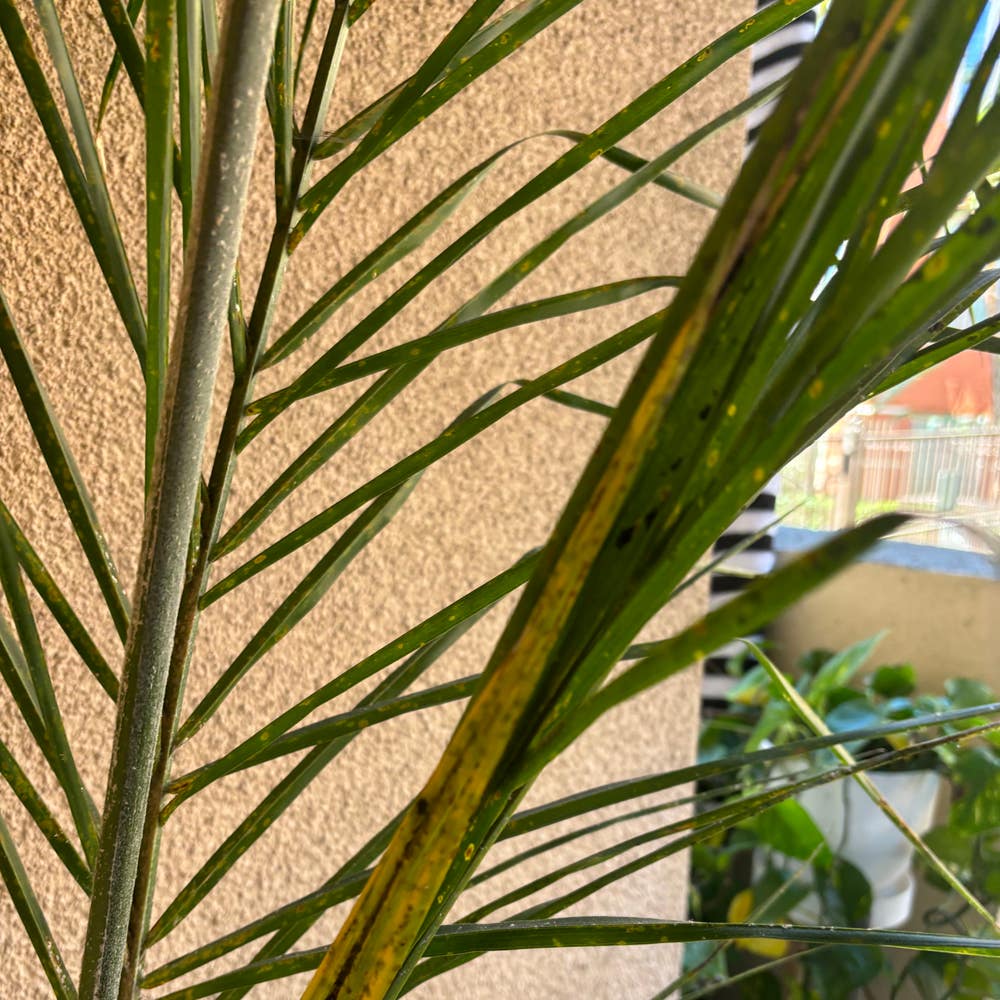
Excessive direct sunlight can lead to several symptoms of overexposure. You might notice leaf burn, browning tips, and wilting, which can ultimately result in stunted growth and weakened health for your plant.
Understanding the sunlight needs of your coco palm is crucial for its well-being. By providing the right light conditions, you can ensure your plant flourishes beautifully. Next, let’s explore how window direction plays a significant role in managing sunlight exposure for your coco palm.
Role of Window Direction
🌞 How Window Direction Affects Sunlight Exposure
The direction your windows face plays a crucial role in how much sunlight your Coco Palm receives. Each orientation—north, south, east, and west—offers different light intensity and duration, impacting your plant's health.
- North-facing windows typically receive the least direct sunlight, providing a gentle, indirect light that can be ideal for Coco Palms.
- South-facing windows get the most intense sunlight throughout the day, which can be too harsh for your palm, especially during peak hours.
- East-facing windows are perfect for morning light, offering a soft glow that helps your Coco Palm thrive.
- West-facing windows provide strong light in the late afternoon, which can also benefit your plant but should be monitored closely.
🪴 Best Window Directions for Coco Palm
For optimal growth, position your Coco Palm near east-facing windows to soak up that gentle morning sun. If you have west-facing windows, they can also work well, but be cautious of the intensity during the late afternoon.
Avoid placing your Coco Palm in south-facing windows during peak sunlight hours. The harsh rays can lead to leaf damage, which you definitely want to prevent. By strategically choosing window placements, you can create a nurturing environment for your Coco Palm to flourish.
Understanding these window dynamics will help you provide the best care for your plant, ensuring it remains healthy and vibrant. Next, let’s explore how the hemisphere you’re in can further influence your Coco Palm’s sunlight exposure.
Influence of Hemisphere on Sunlight
🌍 Differences in Sunlight Intensity Between Hemispheres
Sunlight intensity varies significantly between the Northern and Southern Hemispheres. In the Northern Hemisphere, the sun's rays strike at a more direct angle during summer, leading to stronger light conditions, while the Southern Hemisphere experiences similar effects but with a seasonal shift.
Geographical location also plays a crucial role in light conditions for your Coco Palm. Areas closer to the equator receive more consistent sunlight year-round, while regions further away experience more pronounced seasonal changes.
📅 Seasonal Variations in Sunlight Exposure
Throughout the year, sunlight intensity and duration change, impacting how you care for your Coco Palm. In summer, days are longer and brighter, while winter brings shorter days with less intense light.
Adjusting your plant care according to these seasonal variations is essential. During winter months, you may need to reposition your Coco Palm or supplement with grow lights to ensure it receives adequate light for healthy growth.
Tips for Managing Direct Sunlight
🌞 How to Position Coco Palm for Optimal Light
To ensure your Coco Palm thrives, start by identifying the best window direction based on your geographical location. This will help you maximize the plant's exposure to the right kind of light.
Next, rotate the plant periodically. This simple act promotes even light exposure, preventing one side from becoming too weak or leggy.
If you find the sunlight too harsh, consider using sheer curtains. They can effectively diffuse the light, protecting your palm from potential damage while still allowing it to bask in brightness.
🔍 Signs of Too Much or Too Little Sunlight
Recognizing the signs of too much sunlight is crucial. If you notice leaf burn, yellowing, or drooping fronds, your Coco Palm might be getting more direct sunlight than it can handle.
On the flip side, if your plant shows slow growth, a leggy appearance, or pale fronds, it may not be receiving enough light. Both extremes can hinder your palm's health.
🔄 Adjusting Light Conditions for Coco Palm
If you observe any of these symptoms, don't hesitate to move your plant to a different location. A simple shift can make a world of difference in its health and vitality.
Additionally, consider utilizing grow lights during low-light conditions or winter months. This can provide the necessary brightness your Coco Palm craves, ensuring it remains vibrant and strong throughout the year.
By managing your Coco Palm's light exposure effectively, you set the stage for a flourishing plant that brings life to your space. Now, let’s explore how window direction can further influence your palm's sunlight needs.
⚠️ Safety First
This content is for general information and may contain errors, omissions, or outdated details. It is not medical, veterinary advice, or an endorsement of therapeutic claims.
Always consult a qualified healthcare professional before using any plant as food, medicine, or supplement.
Never eat any plant (or feed one to pets) without confirming its identity with at least two trusted sources.
If you suspect poisoning, call Poison Control (800) 222-1222, the Pet Poison Helpline (800) 213-6680, or your local emergency service immediately.
Spotted an error? Please report it here.
Keep your Coco Palm thriving in the right light ☀️ with Greg's tailored care tips and sunlight monitoring, ensuring it gets just the right amount of sunshine for optimal growth!