🌴 Ultimate Guide to Coco Palm Size
Syagrus cocoides
By the Greg Editorial Team
Nov 23, 2024•5 min read
This article was created with the help of AI so we can cover more plants for you. May contain errors. See one? Report it here.
Cultivate stunning Coco Palms 🌴 with expert tips on growth, care, and size management for your landscape! 🌱
- 🌴 Coco Palms can reach heights of 50 to 80 feet with proper care and conditions.
- 🌞 Optimal growth thrives in tropical climates with warmth, humidity, and well-drained soil.
- ✂️ Regular pruning and maintenance keep Coco Palms healthy and visually appealing.
Mature Dimensions
Height 🌴
Coco Palms typically reach impressive heights ranging from 50 to 80 feet. This striking stature can be influenced by several factors, including genetic predisposition and environmental conditions.
Genetics play a crucial role in determining how tall a Coco Palm can grow. However, the environment—such as soil quality, sunlight, and climate—also significantly impacts its ultimate height.
Spread 🌳
The spread of a Coco Palm generally falls between 25 to 30 feet. Understanding this spread is essential for landscaping and spacing considerations, ensuring that these majestic trees have enough room to thrive without overcrowding.
When planning your landscape, consider the palm's spread to create a balanced and aesthetically pleasing environment. Proper spacing not only enhances visual appeal but also promotes healthy growth.
Growth Rate
Overview
The growth rate of a Coco Palm refers to how quickly it reaches its mature size. This rate can vary significantly based on environmental factors, making it essential to understand the conditions that promote optimal growth.
Factors Affecting Growth Rate
Optimal Growth Conditions 🌴
Coco Palms thrive best in tropical climates, where warmth and humidity create ideal conditions for growth. Soil quality and composition also play a crucial role; well-drained, nutrient-rich soils support healthier, faster growth.
Average Growth Rate Metrics 📏
Under optimal conditions, Coco Palms can grow anywhere from 2 to 3 feet per year. However, growth rates can differ dramatically in less favorable environments, emphasizing the importance of proper care and location.
Summary 📚
Understanding the growth rate of Coco Palms is vital for anyone looking to cultivate these majestic trees. By providing the right conditions, you can ensure your Coco Palm reaches its full potential, setting the stage for a stunning landscape.
Next, we will explore the timeline for maturity, detailing how long it typically takes for Coco Palms to reach their full size.
Time to Reach Full Size
🕒 Timeline for Maturity
Coco Palms typically take between 6 to 15 years to reach their full size. This timeline can vary significantly based on several factors, including care practices and environmental conditions.
🌱 Factors Influencing Time to Maturity
Proper care practices, such as regular watering and fertilization, can accelerate growth. Additionally, the surrounding environmental conditions, like soil quality and climate, play a crucial role in how quickly these palms mature.
⏳ Implications of Growth Timeline
Patience is key when cultivating Coco Palms. Understanding their growth timeline helps in planning for space and landscaping needs, ensuring that you’re prepared for their eventual grandeur.
As you nurture these beautiful trees, remember that their growth is a journey worth the wait. With the right care, your Coco Palm will flourish, adding beauty and value to your landscape.
Next, we’ll explore the various environmental factors that can influence the size of your Coco Palm.
Size Variability
🌍 Environmental Factors Influencing Size
Understanding the environmental factors that influence the size of Coco Palms is crucial for successful cultivation. These factors include soil quality, sunlight exposure, watering practices, and climate considerations.
🏞️ Soil Quality
Soil quality plays a significant role in the growth of Coco Palms. Sandy, well-drained soils promote healthy root systems, while poor drainage can lead to stunted growth.
Nutrient availability is also vital. Rich, nutrient-dense soils support robust growth, while nutrient-poor soils can hinder the palm's development.
☀️ Sunlight Exposure
Coco Palms thrive in full sun. Adequate sunlight is essential for optimal size and health.
Partial shade can negatively impact growth dimensions, leading to taller, spindly palms that lack the desired fullness.
💧 Watering Practices
Consistent watering is key to maintaining healthy Coco Palms. The quantity and frequency of watering directly affect their growth.
Both drought and overwatering can stunt size. It's essential to find a balance to ensure the palms receive just the right amount of moisture.
🌦️ Climate Considerations
The climate significantly influences the growth potential of Coco Palms. Tropical climates are ideal, providing the warmth and humidity these palms crave.
Subtropical climates can also support growth, but seasonal variations may affect size. Understanding your local climate helps in planning for the best growth conditions.
In summary, the size of Coco Palms is influenced by various environmental factors. By optimizing these conditions, you can ensure your palms reach their full potential.
Next, we will explore size control techniques to manage the growth of your Coco Palms effectively.
Size Control Techniques
Managing the size of your Coco Palm is essential for both aesthetic appeal and practical landscaping. Here are some effective techniques to keep your palm in check.
🌿 Pruning Methods for Size Management
Timing: The best seasons for pruning Coco Palms are late winter to early spring. This timing allows the tree to recover quickly as it enters its growing season.
Methods: Two primary pruning methods are effective: thinning and topping. Thinning involves removing select fronds to improve air circulation and light penetration, while topping is the removal of the uppermost fronds to control height.
🪴 Other Techniques
Consider using containers for dwarf varieties of Coco Palms. This method not only restricts growth but also allows for easy mobility in your landscape.
Strategic planting is another effective technique. By placing your Coco Palm in a confined space, you can naturally limit its growth and maintain a manageable size.
⏰ Timing and Frequency of Pruning
For maintenance pruning, aim for a schedule of once or twice a year. This regularity helps keep your palm healthy and visually appealing.
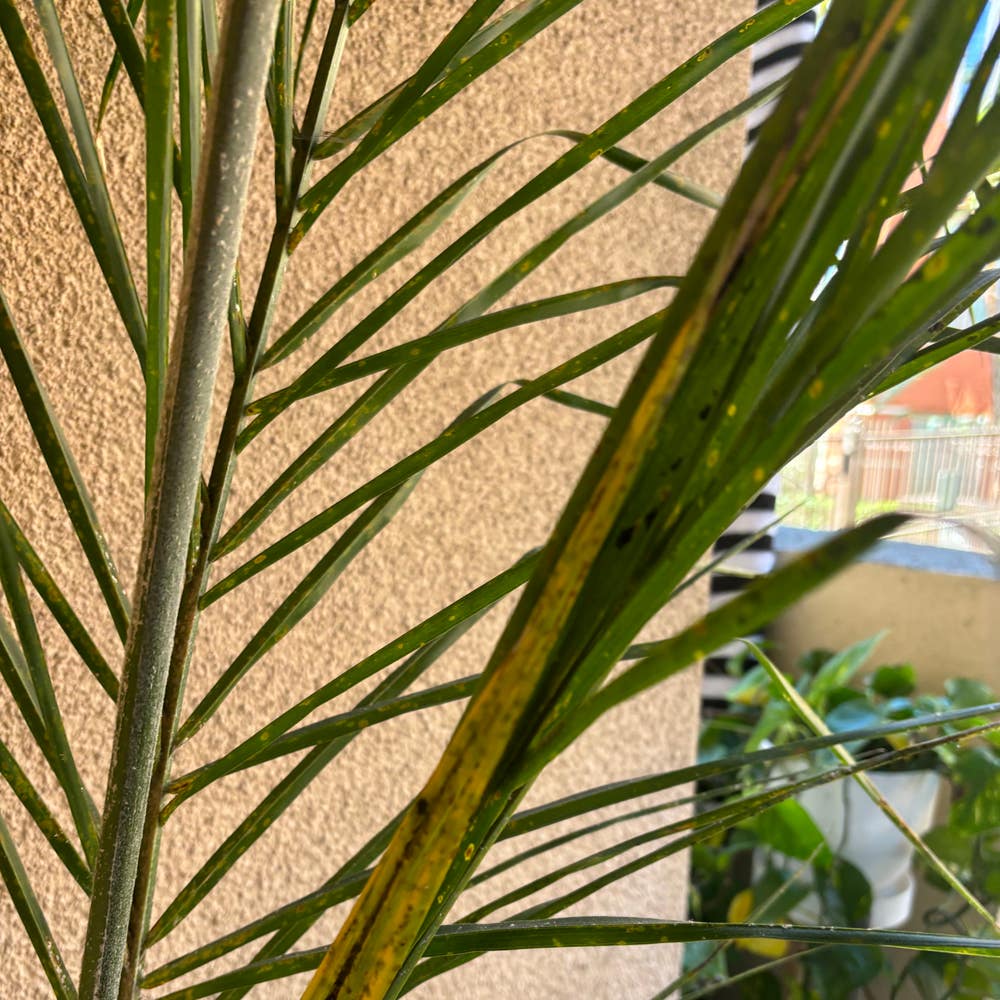
Watch for signs that indicate when pruning is necessary, such as yellowing fronds or excessive height. Addressing these issues promptly will ensure your Coco Palm remains a stunning focal point in your garden.
With these size control techniques, you can enjoy the beauty of your Coco Palm while keeping it within desired dimensions. Next, let’s explore the environmental factors that influence the size of your palm.
⚠️ Safety First
This content is for general information and may contain errors, omissions, or outdated details. It is not medical, veterinary advice, or an endorsement of therapeutic claims.
Always consult a qualified healthcare professional before using any plant as food, medicine, or supplement.
Never eat any plant (or feed one to pets) without confirming its identity with at least two trusted sources.
If you suspect poisoning, call Poison Control (800) 222-1222, the Pet Poison Helpline (800) 213-6680, or your local emergency service immediately.
Spotted an error? Please report it here.
Transform your Coco Palms into tropical giants 🌴 with Greg's tailored watering and care reminders that ensure they flourish in their ideal environment!