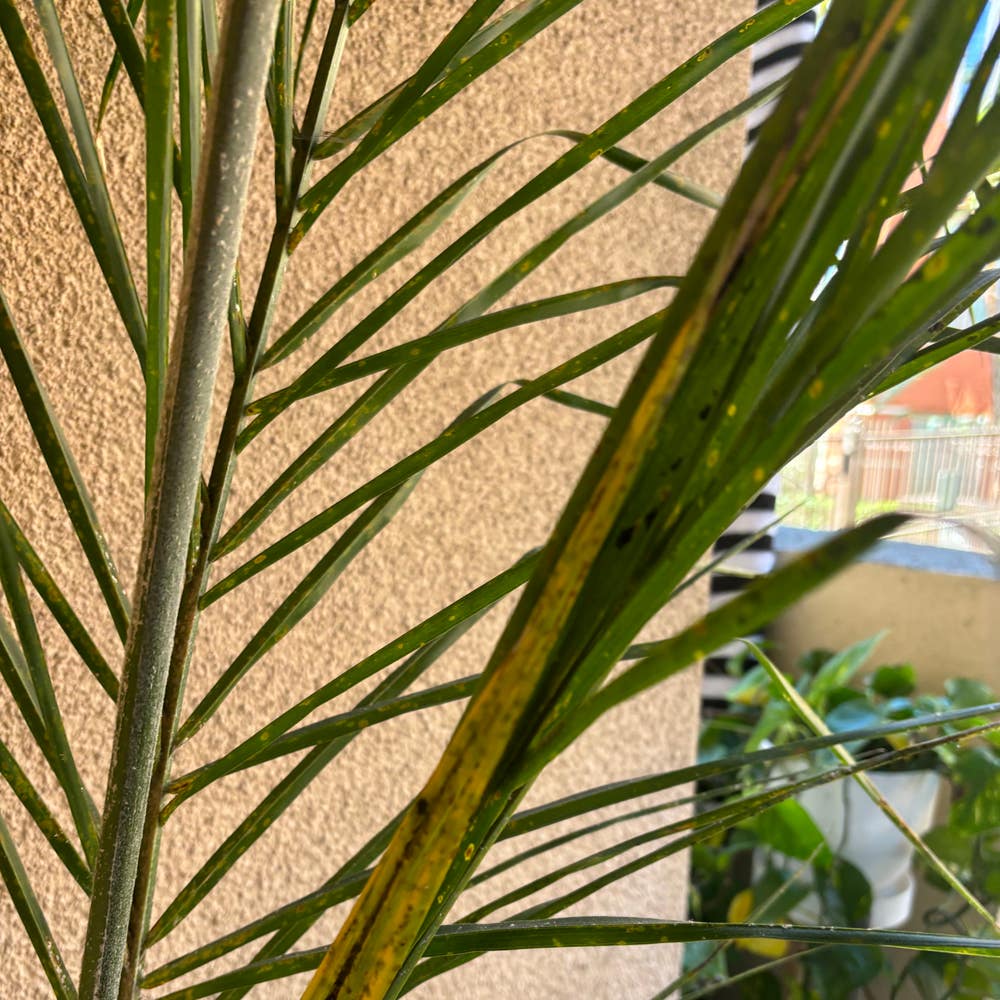
🌴 Why Coco Palm Is A Perennial Plant
Syagrus cocoides
By the Greg Editorial Team
Nov 23, 2024•5 min read
This article was created with the help of AI so we can cover more plants for you. May contain errors. See one? Report it here.
Cultivate resilient Coco Palms 🌴 that thrive for decades, transforming your garden into a sustainable paradise!
- 🌱 Coco Palms thrive for 60-80 years, showcasing their long-lasting beauty and resilience.
- 🌿 They regrow annually from roots, eliminating the need for replanting and saving costs.
- ☀️ Optimal conditions and care ensure healthy growth and vibrant flowering each year.
Lifecycle and Growth Patterns
🌱 Multi-Year Lifecycle
The Coco Palm undergoes a fascinating multi-year lifecycle that includes four main stages: germination, growth, flowering, and dormancy. Each stage plays a crucial role in the plant's development, with germination typically taking a few weeks, followed by several months of vigorous growth.
During the growth phase, the Coco Palm can reach impressive heights, often taking 5 to 10 years to mature fully. Flowering usually occurs annually, with the plant producing clusters of flowers that can lead to fruiting, while dormancy allows it to conserve energy during less favorable conditions.
🌿 Growth Patterns and Regrowth from Roots
One of the remarkable features of the Coco Palm is its ability to regrow from its root system each year. This resilience ensures that even after seasonal changes, the plant can bounce back, showcasing its robust nature.
As it grows, the Coco Palm develops a tall, slender trunk and long, feathery leaves that can reach impressive lengths. This growth pattern not only enhances its aesthetic appeal but also contributes to its overall health and stability.
🌸 Impact on Flowering and Lifespan
Coco Palms are known for their frequent flowering, typically producing blooms once a year. This consistent flowering cycle is essential for fruit production, making them a favorite among gardeners and nature enthusiasts alike.
In terms of lifespan, Coco Palms can thrive for 60 to 80 years under optimal conditions. Factors such as climate, soil quality, and care practices significantly influence their longevity, making it essential for gardeners to provide the right environment for these majestic plants.
With a solid understanding of the Coco Palm's lifecycle and growth patterns, you can appreciate its beauty and resilience. Next, we will explore how seasonal changes affect this remarkable plant.
Seasonal Changes and Dormancy
🌱 Dormancy Periods
Coco Palms experience distinct dormancy periods, typically occurring during the cooler months. These phases can last several weeks to a few months, depending on the climate.
During dormancy, Coco Palms undergo significant physiological changes. They conserve energy and resources, slowing down metabolic processes to survive adverse conditions.
🍂 Effects of Seasonal Changes
Seasonal changes greatly impact the growth patterns of Coco Palms. Temperature fluctuations and varying light levels directly influence their growth rate and overall health.
Coco Palms have remarkable adaptations to seasonal variations. They adjust their growth strategies, ensuring resilience against the challenges posed by different climate conditions.
Understanding these seasonal dynamics can help gardeners better care for their Coco Palms, ensuring they thrive year after year. This knowledge sets the stage for exploring the advantages of their perennial nature.
Advantages of Perennial Nature
Benefits of Reduced Replanting 🌱
Coco Palm's perennial nature means it thrives year after year without the need for replanting. This not only saves gardeners time and effort but also reduces costs associated with purchasing new plants.
By establishing a long-term presence in your garden, Coco Palms allow for a more sustainable gardening approach. You can enjoy their beauty and benefits without the hassle of frequent replacements.
Importance of Established Root Systems 🌳
The stability provided by Coco Palm's well-established root systems is remarkable. These roots anchor the plant securely, allowing it to withstand various environmental stressors.
Coco Palms are resilient against challenges like drought, strong winds, and soil erosion. This durability makes them an excellent choice for gardeners looking to create a robust landscape that can endure the elements.
Incorporating Coco Palms into your garden not only enhances its aesthetic appeal but also contributes to a more sustainable and resilient ecosystem. As we explore the next section, we'll delve into the lifespan of these remarkable plants and the factors that influence their longevity.
Lifespan and Longevity Factors
Expected Lifespan 🌴
Coco Palms thrive in optimal conditions, boasting an impressive lifespan of 60 to 80 years. This longevity is comparable to other perennial plants in similar environments, making them a reliable choice for gardeners seeking lasting beauty.
Factors Influencing Longevity ⏳
The lifespan of Coco Palms can vary significantly based on climate zones. In tropical regions, they often flourish, while subtropical conditions may present challenges.
Soil quality plays a crucial role in their health and longevity. Well-drained, nutrient-rich soil supports robust growth, while poor soil can stunt their development.
Water availability is another key factor. Coco Palms require consistent moisture, and drought conditions can lead to stress and reduced lifespan.
Temperature also impacts their longevity. Extreme heat or cold can affect growth patterns, making it essential to monitor local climate conditions.
Understanding these factors can help gardeners create the ideal environment for Coco Palms, ensuring they thrive for decades. With proper care, these majestic plants can become a cherished part of any landscape, providing beauty and shade for generations to come.
As we explore the advantages of their perennial nature, we’ll see how Coco Palms contribute to sustainable gardening practices.
Maximizing Benefits in Garden Planning
🌱 Tips for Utilizing Perennial Nature
When planning your garden, consider the strategic placement of Coco Palm. These plants thrive in full sunlight, so choose a location that receives ample light throughout the day.
Space is also crucial; Coco Palms can grow quite tall and wide. Ensure they have enough room to expand without overshadowing smaller plants.
Companion planting can enhance your garden's ecosystem. Pairing Coco Palm with other plants can improve growth, attract beneficial insects, and create a visually appealing landscape.
📈 Long-Term Cultivation Strategies
To maximize the benefits of your Coco Palm, regular maintenance is key. Pruning helps maintain shape and encourages healthy growth, while proper fertilization provides essential nutrients.
Pest management is also vital. Keep an eye out for common pests and address any issues promptly to ensure your Coco Palm remains healthy.
Planning for seasonal changes is essential for optimal growth. Adjust your care routines based on the plant's dormancy and growth cycles to keep it thriving year-round.
By implementing these strategies, you can enjoy the long-lasting beauty and benefits of Coco Palm in your garden. As you cultivate these resilient plants, you'll appreciate their ability to adapt and flourish in various conditions.
⚠️ Safety First
This content is for general information and may contain errors, omissions, or outdated details. It is not medical, veterinary advice, or an endorsement of therapeutic claims.
Always consult a qualified healthcare professional before using any plant as food, medicine, or supplement.
Never eat any plant (or feed one to pets) without confirming its identity with at least two trusted sources.
If you suspect poisoning, call Poison Control (800) 222-1222, the Pet Poison Helpline (800) 213-6680, or your local emergency service immediately.
Spotted an error? Please report it here.
Cultivating a thriving Coco Palm 🌴 for decades is within your reach, and with Greg's tailored care tips and reminders, you'll create the perfect environment for this resilient perennial to flourish!