🌸 5 Tips for Fixing Flower Problems in Coco Palm
Syagrus cocoides
By the Greg Editorial Team
Nov 23, 2024•5 min read
This article was created with the help of AI so we can cover more plants for you. May contain errors. See one? Report it here.
Master the art of Coco Palm care 🌴 to unlock stunning blooms and vibrant growth with simple light and nutrition tips!
- 🌞 Coco Palms need bright, indirect sunlight for optimal flowering and health.
- 🌱 Nutritional deficiencies in nitrogen, phosphorus, and potassium hinder flower development.
- 🌡️💧 Stable temperature and humidity are crucial for preventing environmental stress and promoting blooms.
Failure to Bloom
🌞 Potential Causes
Light Requirements
Coco Palms thrive in bright, indirect sunlight. When they don’t get enough light, their energy for flower development diminishes, resulting in a frustrating failure to bloom.
Nutritional Deficiencies
Essential nutrients like nitrogen, phosphorus, and potassium play a crucial role in flower production. Without these, you may notice stunted growth and a disappointing lack of flower buds.
Environmental Stress
Temperature fluctuations can put your Coco Palm under stress. Additionally, low humidity levels can hinder blooming, making it essential to maintain a stable environment.
💡 Solutions (difficulty: moderate)
Adjusting Light Exposure
To boost blooming, consider relocating your plant to a brighter spot that receives filtered sunlight. If natural light is lacking, using grow lights can provide the necessary illumination.
Fertilization
During the growing season, apply a balanced fertilizer that is high in phosphorus. An NPK ratio of 10-20-10 is recommended to enhance flower production and encourage vibrant blooms.
By addressing these potential causes and implementing effective solutions, you can help your Coco Palm flourish and enjoy a stunning display of flowers. Next, let’s explore the issue of premature flower drop and how to tackle it effectively.
Premature Flower Drop
🌱 Causes
Nutritional Deficiencies
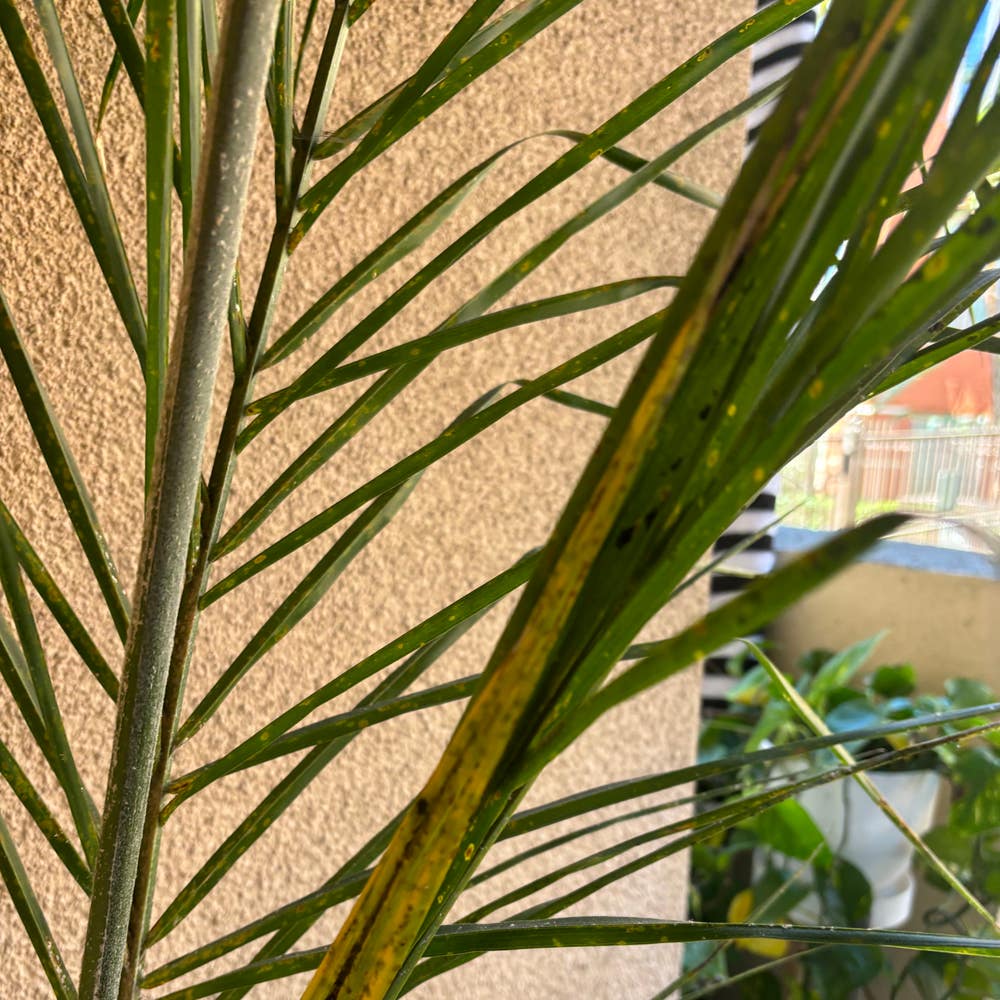
One major reason for premature flower drop in Coco Palms is insufficient nutrients, particularly potassium. When potassium levels are low, you may notice yellowing leaves and drooping flowers, signaling that your plant is struggling.
Water Stress
Water stress is another culprit. Overwatering can lead to root rot, which directly causes flowers to drop. Conversely, underwatering can stress the plant, making it unable to sustain its blooms.
💧 Solutions
Proper Watering Techniques
To combat water stress, follow these simple watering techniques:
- Check soil moisture regularly.
- Water when the top inch of soil feels dry.
- Ensure proper drainage to prevent waterlogging.
These steps will help maintain the right moisture balance for your Coco Palm.
🌿 Nutrient Adjustments
In addition to proper watering, consider nutrient adjustments. Using a potassium-rich fertilizer can significantly strengthen flower stems and improve overall health.
Monitor your plant's response to fertilization and adjust as needed to ensure it thrives.
By addressing these issues, you can help your Coco Palm maintain its blooms and flourish beautifully. Next, let’s explore how to tackle abnormal flower development.
Abnormal Flower Development
🌱 Causes
Pest Infestations
Pests like aphids and spider mites can wreak havoc on your Coco Palm's flower buds. Look out for distorted flowers and a noticeable reduction in blooming as telltale signs of these unwelcome guests.
Improper Pruning
Pruning is an art, and getting it wrong can lead to sparse flowering. Over-pruning or doing it at the wrong time can disrupt the plant's natural growth cycle, resulting in uneven growth and fewer blooms.
💡 Solutions
Pest Management
Regular inspections are key to keeping pests at bay. Treat any infestations promptly with insecticidal soap or neem oil, and consider inviting beneficial insects like ladybugs into your garden for natural pest control.
Correct Pruning Methods
When it comes to pruning, less is often more. Focus on removing only dead or damaged fronds to encourage healthy growth, and remember to prune after flowering to avoid interrupting the bloom cycle.
By addressing these issues, you can help your Coco Palm thrive and enjoy a vibrant display of flowers. Next, let’s explore how light and nutrition play crucial roles in promoting healthy flowering.
Impact of Light and Nutrition on Flowering
🌞 Importance of Adequate Light
Light is a fundamental player in the life of your Coco Palm. It fuels photosynthesis, the process that transforms sunlight into energy, which is crucial for flower development.
To ensure your plant thrives, aim for bright, indirect sunlight for at least six hours each day. This optimal light exposure helps your Coco Palm produce vibrant blooms.
🍽️ Nutritional Factors
Nutrients are the building blocks of healthy plants. For Coco Palms, nitrogen supports growth, phosphorus encourages blooming, and potassium strengthens flower structures.
To keep your plant nourished, follow a fertilization schedule of every four to six weeks during the growing season. This routine will help maintain robust growth and abundant flowers.
Understanding the interplay between light and nutrition is vital for fostering a flourishing Coco Palm. With the right conditions, your plant will reward you with stunning blooms that brighten any space.
Next, let’s explore how environmental stressors can impact your plant’s flowering potential.
Environmental Stressors and Management
🌡️ Identifying Stress Factors
Coco Palms can be sensitive to environmental stressors that hinder their blooming potential. Common culprits include temperature extremes, low humidity, and poor soil conditions.
Watch for symptoms like wilting, yellowing leaves, and reduced flowering. These signs indicate that your plant may be struggling to thrive in its current environment.
🌱 Mitigating Stress for Healthy Flowering
To promote healthy flowering, it's crucial to maintain consistent temperature and humidity levels. Aim for a stable environment that mimics the natural habitat of the Coco Palm.
Using mulch can be a game-changer. It helps retain soil moisture and regulates temperature, creating a more favorable growing condition for your plant.
By addressing these environmental stressors, you can significantly enhance the blooming potential of your Coco Palm. This proactive approach will set the stage for vibrant flowers and a healthier plant overall.
As you continue caring for your Coco Palm, remember that the right light and nutrition are equally vital for successful flowering.
⚠️ Safety First
This content is for general information and may contain errors, omissions, or outdated details. It is not medical, veterinary advice, or an endorsement of therapeutic claims.
Always consult a qualified healthcare professional before using any plant as food, medicine, or supplement.
Never eat any plant (or feed one to pets) without confirming its identity with at least two trusted sources.
If you suspect poisoning, call Poison Control (800) 222-1222, the Pet Poison Helpline (800) 213-6680, or your local emergency service immediately.
Spotted an error? Please report it here.
Unlock your Coco Palm's blooming potential 🌺 with Greg's tailored care tips and reminders, ensuring it thrives in the perfect light and nutrition for stunning flowers!