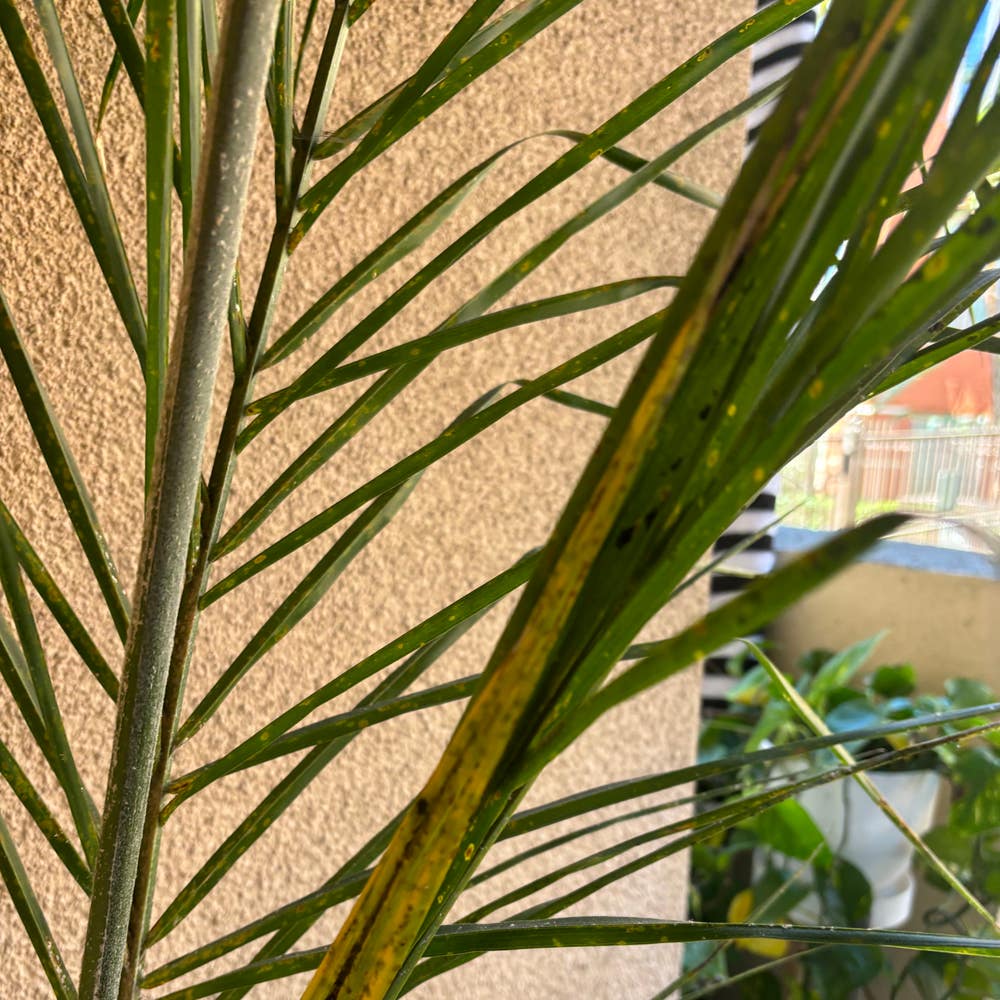
Best Fertilizer for Coco Palm 🌴
Syagrus cocoides
By the Greg Editorial Team
Nov 23, 2024•5 min read
This article was created with the help of AI so we can cover more plants for you. May contain errors. See one? Report it here.
Nurture your coco palm to vibrant health 🌱 with essential fertilization tips for lush growth and beauty!
- 🌱 Proper fertilization is vital for healthy growth of coco palms.
- 💧 Liquid and granular fertilizers offer different absorption rates; choose based on needs.
- 🌞 Fertilize in spring and summer for optimal growth; adjust for specific palm varieties.
How to Apply Fertilizer
🌱 Application Methods
Applying fertilizer correctly is crucial for the health of your coco palm. There are two primary methods: granular and liquid.
Granular Application
For granular fertilizer, start by evenly distributing it around the base of the palm. This method allows the nutrients to gradually seep into the soil as you water, ensuring a steady supply for your plant.
Liquid Application
Liquid fertilizer is another effective option. Mix it with water according to the package instructions, and apply it directly to the soil. This method promotes quick absorption, giving your palm an immediate nutrient boost.
🛠️ Recommended Tools for Application
Having the right tools makes fertilizing easier and more effective. Here’s what you’ll need:
- Hand trowel: For digging and spreading granular fertilizer.
- Measuring cup: To ensure accurate dosage.
- Watering can or sprayer: For applying liquid fertilizer evenly.
Using clean tools is essential to prevent contamination. Dirty tools can introduce pathogens that harm your palm, so always start with a clean slate.
With these methods and tools, you’re well on your way to nurturing a thriving coco palm. Next, let’s explore when to fertilize for optimal growth.
When to Fertilize
🌱 Seasonal Fertilization Schedule
Timing is everything when it comes to fertilizing your coco palm.
Spring: Start with an initial fertilization to support new growth as the weather warms up. This is when your palm begins to wake from dormancy, and it needs that nutrient boost to thrive.
Summer: Provide a mid-season boost to encourage blooming and continued growth. Your palm will be actively growing, so it’s the perfect time to ensure it has the nutrients it craves.
Fall: Light fertilization is key to preparing your palm for dormancy. As temperatures drop, your palm will slow down, and it’s important to ease off on the nutrients to avoid stressing the plant.
🚨 Signs of Nutrient Deficiency
Recognizing nutrient deficiencies early can save your coco palm from serious issues.
Yellowing fronds: This is often a sign of nitrogen deficiency. If you notice your palm's leaves turning yellow, it’s time to up the nitrogen levels in your fertilizer.
Poor flowering: If your palm isn’t blooming as expected, it might be lacking phosphorus. This nutrient is crucial for flower development, so consider adjusting your fertilization strategy.
Browning leaf tips: Browning tips can indicate a potassium deficiency. This nutrient is vital for overall plant health, so keep an eye on those leaf edges.
Understanding when to fertilize and recognizing signs of nutrient deficiency will help keep your coco palm healthy and vibrant. Next, let’s explore how much fertilizer to use for optimal growth.
How Much Fertilizer to Use
Dosage Guidelines 🌱
When it comes to fertilizing your coco palm, the general rule is to use between 1/2 to 1 cup of fertilizer per application for mature palms. For younger plants, you should scale back to about 1/4 cup or even less, depending on their size.
Adjusting for Container vs. Ground Planting 🪴
If your coco palm is in a container, you'll need to apply fertilizer more frequently but in smaller doses. This is because container plants have limited soil nutrients, making it essential to keep them nourished.
On the other hand, ground-planted coco palms can handle larger, less frequent applications. The frequency and amount depend on the soil quality, so always consider the specific needs of your plant.
Understanding these dosage guidelines and adjustments will help ensure your coco palm thrives. With the right amount of fertilizer, you'll set the stage for robust growth and vibrant foliage.
Next, let's explore how to avoid over-fertilization and its potential pitfalls.
Avoiding Over-Fertilization
Symptoms of Over-Fertilization 🌱
Over-fertilization can be detrimental to your coco palm's health. One of the most common signs is leaf burn, which manifests as browning edges and tips of fronds.
Another indicator is excessive leaf drop, signaling that your palm is experiencing a nutrient overload. Recognizing these symptoms early can help you take corrective action before serious damage occurs.
Recovery Strategies 🛠️
If you suspect over-fertilization, immediate action is crucial. Start by flushing the soil with water to dilute the excess nutrients. This process helps to wash away the concentrated fertilizers that may be harming your plant.
Next, keep a close eye on your palm's health. Adjust your fertilization schedule and dosage based on its recovery progress. Monitoring will ensure your coco palm returns to its vibrant self without the risk of further nutrient imbalance.
By understanding these symptoms and recovery strategies, you can maintain a healthy balance in your fertilization routine. This proactive approach will keep your coco palm thriving and beautiful.
As you navigate the complexities of fertilization, the next section will delve into essential tips for optimizing your fertilization practices.
Fertilizer Tips
Best Practices 🌱
Timing is everything when it comes to fertilizing your coco palm. Aim to fertilize during active growth periods, typically in spring and summer, for maximum effectiveness.
Soil testing is another crucial step. By checking your soil's nutrient levels before application, you can tailor your fertilization strategy to meet your palm's specific needs.
Recommendations for Specific Varieties 🌴
Different palm varieties have unique requirements. For instance, King Palms thrive with a balanced fertilizer, while Queen Palms may benefit from a higher potassium content.
Adjusting nutrient profiles based on local soil conditions and climate is essential. Understanding your environment can help you provide the right care for your palms, ensuring they flourish beautifully.
With these tips in mind, you'll be well-equipped to nurture your coco palms effectively. Next, let's explore how much fertilizer to use for optimal growth.
⚠️ Safety First
This content is for general information and may contain errors, omissions, or outdated details. It is not medical, veterinary advice, or an endorsement of therapeutic claims.
Always consult a qualified healthcare professional before using any plant as food, medicine, or supplement.
Never eat any plant (or feed one to pets) without confirming its identity with at least two trusted sources.
If you suspect poisoning, call Poison Control (800) 222-1222, the Pet Poison Helpline (800) 213-6680, or your local emergency service immediately.
Spotted an error? Please report it here.
Nurture your coco palm for vibrant growth 🌱 by using Greg's tailored fertilization reminders and expert tips to ensure it gets the nutrients it craves at every stage!